English
한국어
English
Español
中文
हिंदी
Home
News
Community
Dictionary
English
한국어
English
Español
中文
हिंदी
View list
Rabbitbrush Nauseosus
Chrysothamnus nauseosus
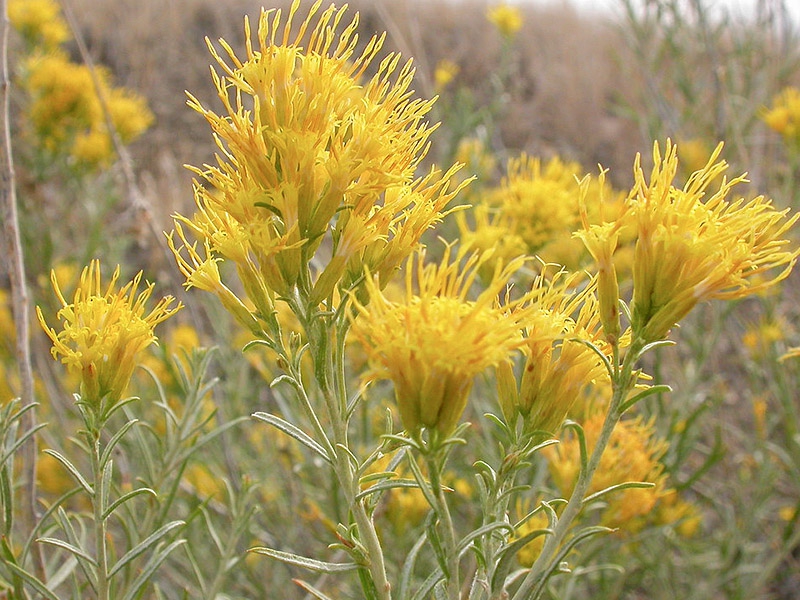
Rabbitbrush Nauseosus (Chrysothamnus nauseosus) is a plant found primarily in dry grasslands or deserts in western North America. The following is information regarding this plant's growth characteristics, propagation methods, cultivation techniques, garden uses, and major pests and diseases, as well as control methods. Growth Characteristics - Environment: It thrives in dry, sunny areas. It requires well-drained soil and prefers neutral to slightly alkaline soil. - Size: It typically grows up to 1 to 2 meters tall and forms a very dense shrub. - Leaves and Flowers: It is characterized by silvery leaves and bright yellow flowers. Flowers bloom mainly from summer to early autumn and attract bees and butterflies. Propagation Methods - Seeds: Collect mature seeds in the autumn and plant them immediately, or sow them in the spring. - Cuttings: It can also be propagated by cuttings in the summer. Use glossy, fresh branches. Cultivation Method - Location Selection: Plant in a sunny location. It grows well even in dry conditions, making it relatively easy to care for. - Soil Preparation: Prepare well-draining soil, and mix in sandy soil or gravel if necessary. - Watering: This plant prefers a dry environment, so water sparingly. Once it has grown well, it requires almost no watering. Uses in the Garden - Border Tree: It is excellent for use as a border tree in gardens or along roadsides. - Landscaping: It is popular for landscaping due to its beautiful silver leaves and yellow flowers. - Wildlife Attraction: It attracts bees and butterflies, helping the ecosystem. Important Pests and Diseases & Control Methods - Diseases: It is generally resistant to diseases, but excessive moisture can cause root rot. Prevent this through proper drainage and ventilation. - Pests: There are few particularly problematic pests, but caution is required regarding common garden pests. - Control Methods: Control is mainly done using physical methods or natural insecticides; in severe cases, it is recommended to seek professional help. If you cultivate and manage them with these characteristics in mind, you can utilize them as plants that provide an attractive landscape in your garden.
Plant Family
Asteraceae
Height
2m
Colors
yellow
Bloom Period
September to October
Water Needs
Bad
Exposure
Sunny
Freezing Resistance
-40°C
Rock Cat's Eye
Chrysosplenium macrostemon
Chrysodamnus vischidiflorus
Chrysothamnus viscidiflorus