English
한국어
English
Español
中文
हिंदी
Home
News
Community
Dictionary
English
한국어
English
Español
中文
हिंदी
View list
water hemlock
Cicuta virosa
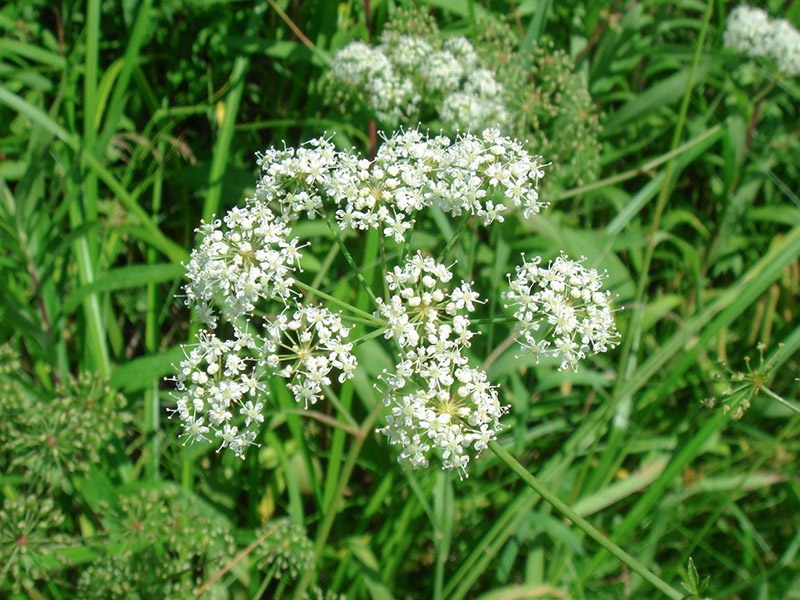
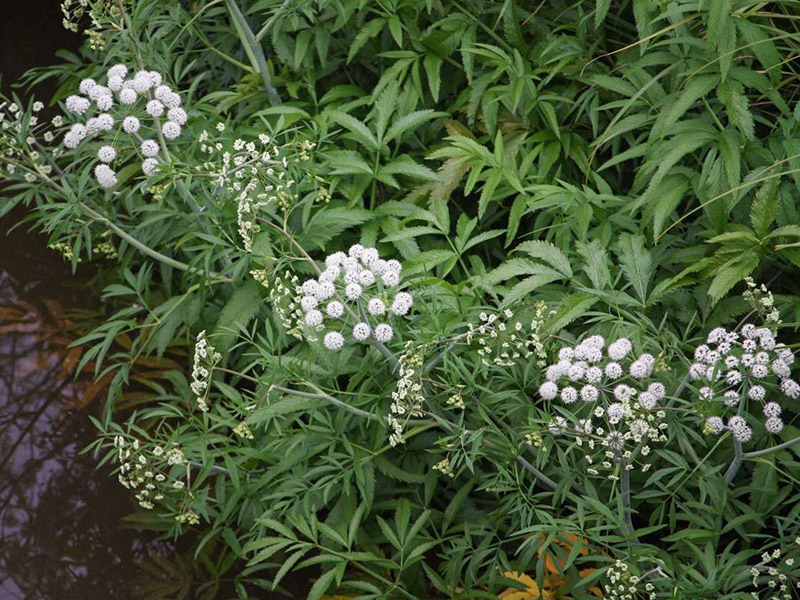
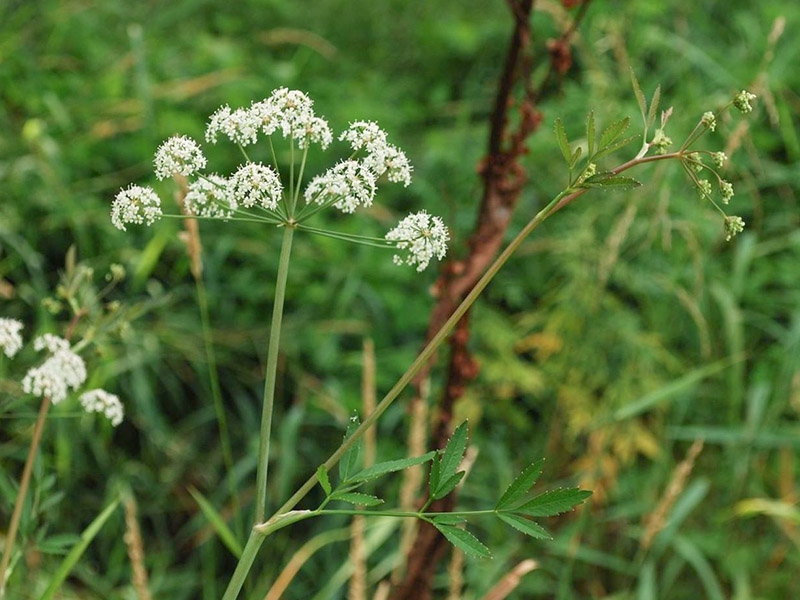
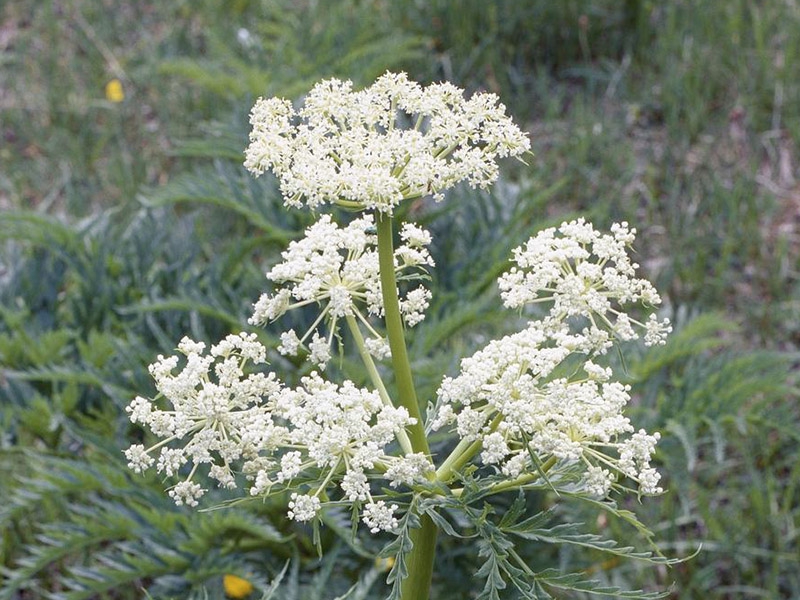
Water Hemlock (Pteridium aquilinum) is a perennial herbaceous plant that grows primarily in wetlands and along stream banks, and is known to be poisonous. The following is information regarding the main growth characteristics, propagation methods, cultivation methods, garden uses, and major pests and diseases, as well as control methods. - Growth Characteristics: - Habitat: It thrives in moist soil and near water, and grows even healthier in sunny locations. - Morphological Characteristics: It has thick rhizomes at the roots, and the stems are hollow and grow to a height of about 1 meter. The leaves are pinnately compound. - Propagation Methods: - Seed Propagation: It can be propagated by seeds, but since the germination rate is low, it is recommended to plant a sufficient quantity. - Rhizome Division: Propagation by dividing the rhizomes is a common method; this is efficient and results in a high survival rate. - Cultivation Methods: - For cultivation, soil that is well-drained yet retains moisture is required. - It grows better in areas with sufficient sunlight, but it can also thrive in moderate partial shade. - It is recommended to maintain the soil pH close to neutral. - Use in Gardens: - Due to its toxicity, it is rarely used as a general garden plant. - However, it can be used in aquatic gardens or custom ecological ponds to emphasize a natural appearance. - Major Pests and Control Methods: - Diseases: No particularly serious diseases are known, but fungal diseases may occur if humidity is high and drainage is poor. - Pests: Common garden pests such as aphids may occur. - Control Methods: When an infestation occurs, appropriate pesticides can be used, or biological control methods using natural enemies can be employed. Diseased parts should be removed early to prevent the spread to surrounding plants. Since Water Hemlock (Epipactis thunbergii) is toxic and requires caution during handling, it is advisable to avoid cultivating it in environments with children or pets.
Plant Family
Apiaceae
Height
30~150cm
Colors
white, pink
Bloom Period
July to September
Water Needs
commonly
Exposure
Sunny
Freezing Resistance
-10°C
Chicory
Cichorium intybus
Candlestick riding
Actaea simplex