English
한국어
English
Español
中文
हिंदी
Home
News
Community
Dictionary
English
한국어
English
Español
中文
हिंदी
View list
Narrow-leaved thistle
Cirsium japonicum
f.
nakaianum
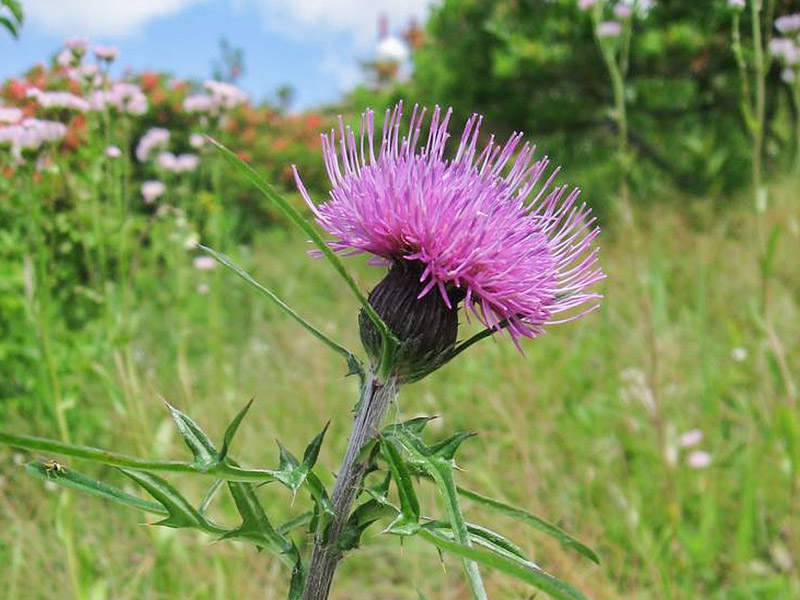
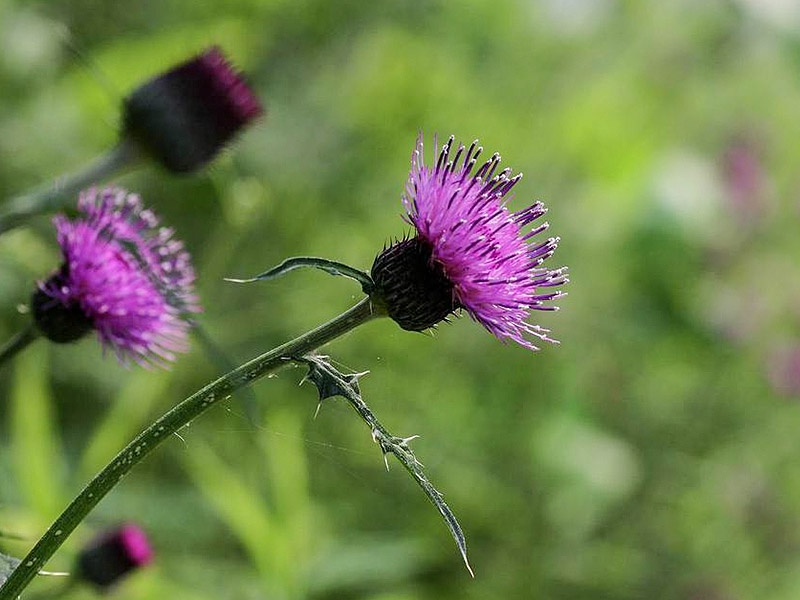
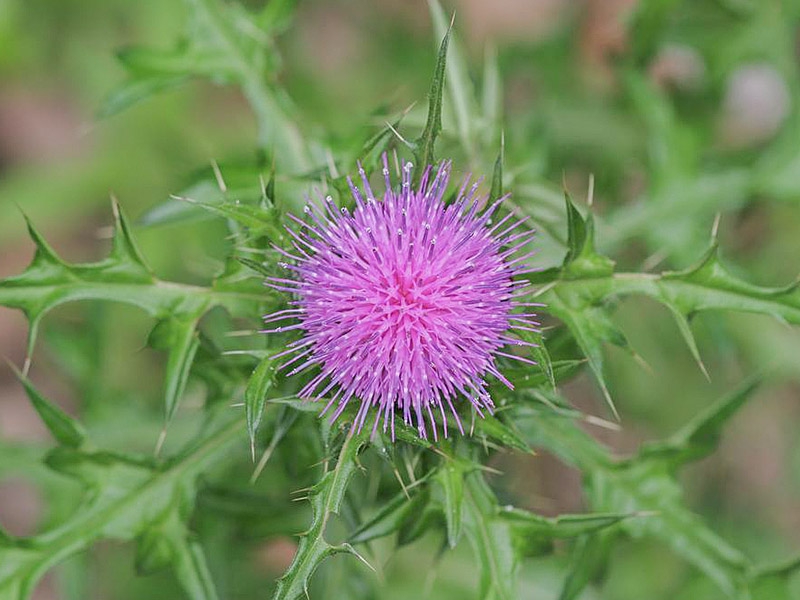
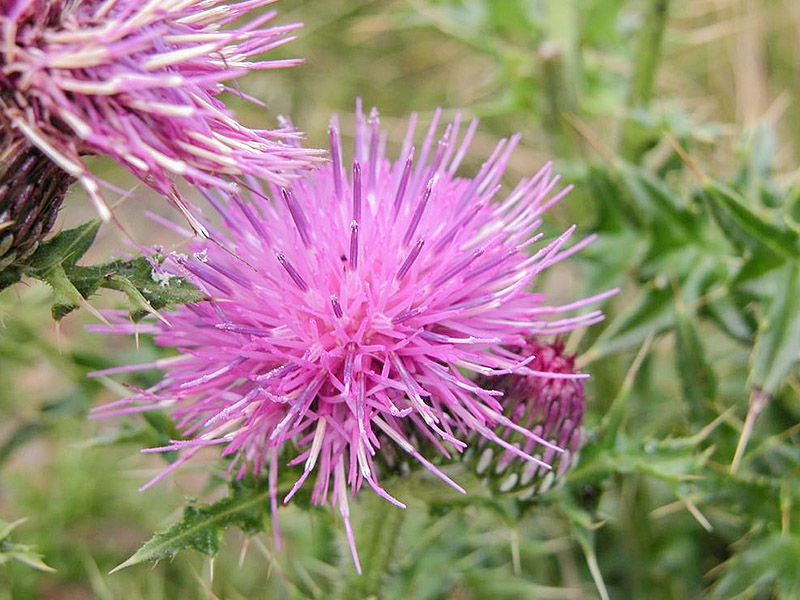
The narrow-leaved thistle (Cirsium japonicum f. nakaianum) has the following characteristics and cultivation methods. Growth Characteristics: The narrow-leaved thistle is a perennial herb native to East Asia, including Korea, and grows primarily in moist mountainous or flat areas. This plant grows to an average height of 50 to 100 cm and possesses ornamental value as it blooms with purple flowers between June and August. Propagation Methods: The narrow-leaved thistle is primarily propagated by seeds. Mature seeds are harvested in the autumn, stored, and sown the following spring. Propagation by dividing the roots is also an effective method. Cultivation Methods: This thistle thrives in well-drained soil with moderate sunlight. Fertile sandy loam is suitable soil, and it prefers an environment with good drainage. It is important to avoid overwatering and to supply water appropriately as needed. Cultivation Methods: Use in the Garden: With its unique leaves and flowers, the narrow-leaved thistle can serve as a decorative element in the garden. It is ideal for use in flower beds or as a border plant. Important Pests and Control Methods: While the narrow-leaved thistle is relatively resistant to pests and diseases, it can be susceptible to aphids or fungal infections in hot and humid environments. To control aphids, use appropriate insecticides or natural predators. To prevent fungal infections, ensure good ventilation around the plant and apply fungicides if necessary. By managing the narrow-leaved thistle with this information in mind, you can enjoy a healthy and beautiful plant in your garden.
Plant Family
Asteraceae
Height
50~100cm
Colors
purple
Bloom Period
June to August
Water Needs
commonly
Exposure
semi-shaded area
Freezing Resistance
-15°C
Thistle
Cirsium japonicum
var.
spinossimum
Orchidentale (Clematis)
Cirsium occidentale