English
한국어
English
Español
中文
हिंदी
Home
News
Community
Dictionary
English
한국어
English
Español
中文
हिंदी
View list
Orchidentale (Clematis)
Cirsium occidentale
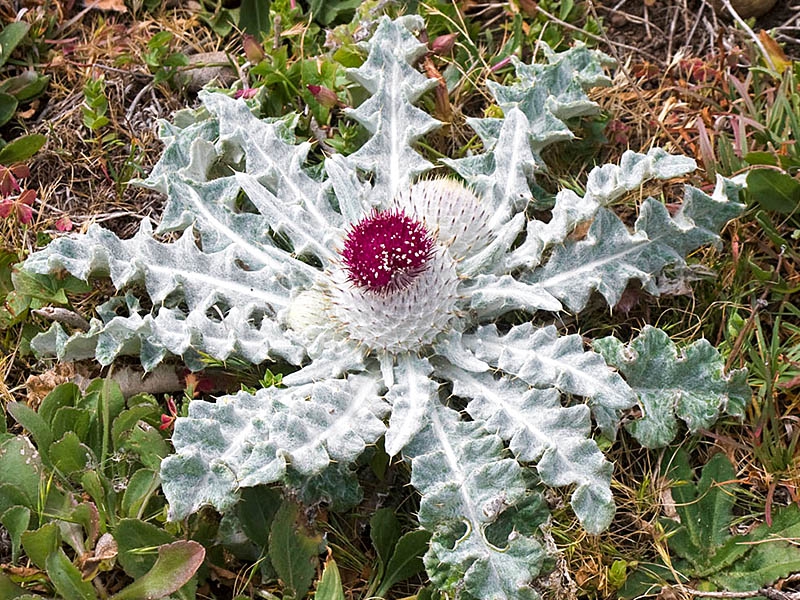
I will explain the characteristics and cultivation methods of Cirsium occidentale. Growth Characteristics Cirsium occidentale is a perennial herbaceous plant native to western North America, thriving primarily in dry, sunny locations. This plant grows to a height of approximately 30 to 150 cm and is characterized by its silvery-white leaves and stems. It blooms with showy red or purple flowers between summer and autumn. The flowers have thorns and attract insects and birds. Reproduction Methods This plant is primarily propagated by seeds. Seeds form after the flowers have faded and are dispersed by the wind. It can also reproduce through root division, but this usually occurs in close proximity. Cultivation Methods - Soil: It thrives in well-drained sandy or gravelly soil. Excessively wet environments should be avoided. - Sunlight: It prefers full sunlight but can also grow in partial shade. However, if there is insufficient sunlight, it may bloom less. - Watering: As it is a drought-tolerant plant, it is best to water sparingly. Watering should be reduced especially during the summer, and it is almost unnecessary to water during the winter. - Fertilizer: It grows well without special fertilizer, but applying a small amount of slow-release fertilizer in the spring will promote healthier growth. Uses in the GardenCirsium orchidentale is well-suited as a border plant, for riverside gardens, or meadow-style gardens. Its showy flowers are also popular for ornamental purposes and are particularly well-suited for naturalistic garden styles. Important Pests and Control Methods While this plant is generally resistant to pests and diseases, you should be aware of the following issues: - Aphids: Aphids may appear on the leaves and stems. They can be removed using edible herbal soap or controlled by utilizing natural predators. - Root Rot: This can occur in poorly drained soil. To prevent this, plant in well-draining soil and regulate watering. - Spiny disease: It has many thorns, so caution is required during care. Wear gardener's gloves and use appropriate tools for care. Orchid thistle is a relatively easy plant to care for, and with careful placement and proper care, it is a great help in creating a beautiful garden.
Plant Family
Asteraceae
Height
60~150cm
Colors
red
Bloom Period
March to August
Water Needs
commonly
Exposure
Sunny
Freezing Resistance
-10°C
Narrow-leaved thistle
Cirsium japonicum
f.
nakaianum
Canadian thistle
Cirsium arvense