English
한국어
English
Español
中文
हिंदी
Home
News
Community
Dictionary
English
한국어
English
Español
中文
हिंदी
View list
Vine Yutai Dinter
Cissus juttae
Dinter
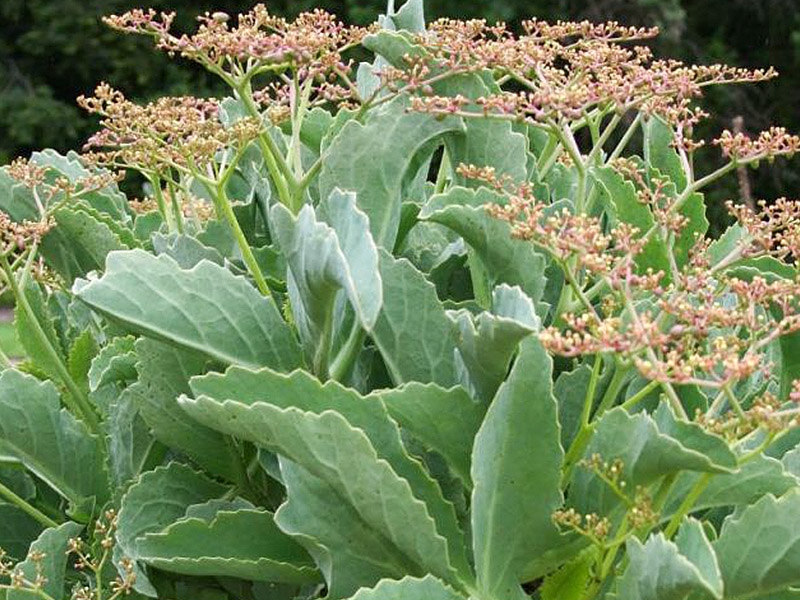
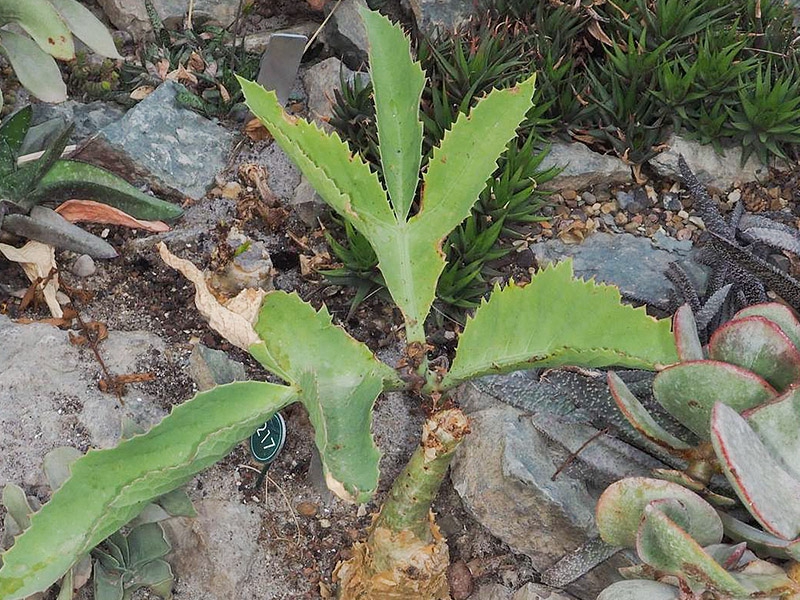
Growth Characteristics of Cissus juttae Dinter Cissus juttae Dinter is a plant native to southwestern Africa and is known as a succulent. It is characterized by its thick stems and silvery leaves. It thrives in low-water conditions and can also grow in dry environments. Propagation Methods Cissus juttae Dinter can be propagated by cuttings and seeds. When taking cuttings, it is recommended to cut a healthy stem and plant it in moist soil. In the case of seeds, the germination rate may not be high, so it is recommended to grow them in a warm, humid environment to promote germination. Cultivation Methods - Soil: It is important to select well-draining soil. General succulent potting mix is suitable. - Sunlight: It is ideal to grow it in a sunny location. If grown outdoors, a spot receiving direct sunlight is best. 3. Watering: Since it prefers a dry environment, it is best to water when the soil is completely dry. Overwatering should be avoided. - Temperature: It prefers warm temperatures and requires protection from frost or cold temperatures. Uses in the Garden Dinosaur Utta dinter is frequently used as an accent plant in the garden due to its unique appearance. It is particularly well-suited for rock gardens or succulent gardens, and it can also be grown in containers. Important Pests and Control Methods - Pests: Common pests include aphids and fungal diseases. - Control Methods: - For aphids, organic insecticides can be used or they can be removed by washing with water. - To prevent fungal diseases, it is important to ensure good ventilation and reduce humidity. Fungicides can be used if necessary. This plant is relatively easy to care for, but it is important to grow it while being careful of overwatering and cold weather.
Plant Family
grape family
Height
1~3m
Colors
green
Bloom Period
June to August
Water Needs
commonly
Exposure
Sunny
Freezing Resistance
-5°C
Mexican ivy
Cissus rhombifolia
blue pebbles
Cissus discolor