English
한국어
English
Español
中文
हिंदी
Home
News
Community
Dictionary
English
한국어
English
Español
中文
हिंदी
View list
Antarctic Cissus
Cissus antarctica
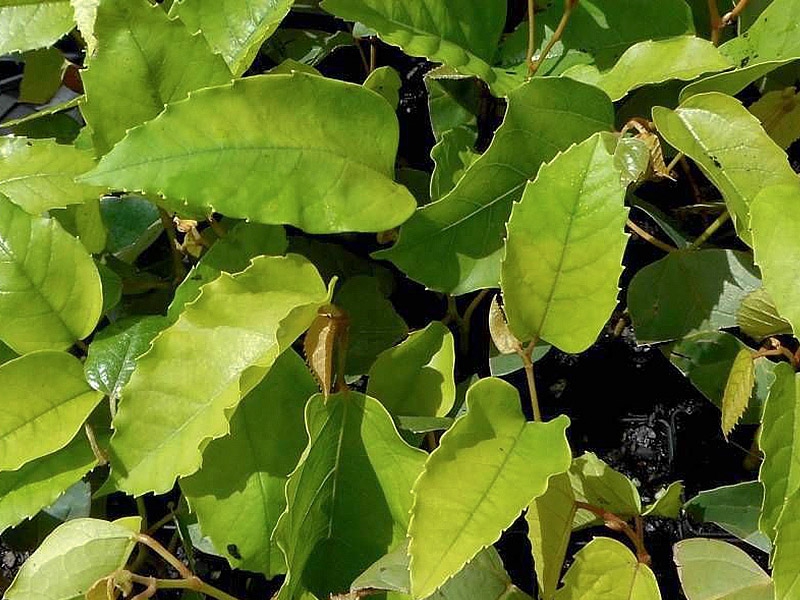
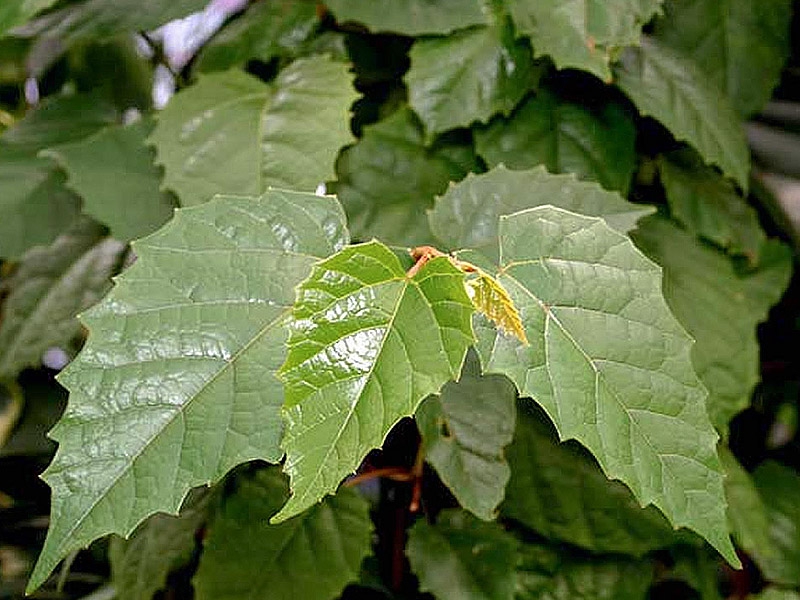
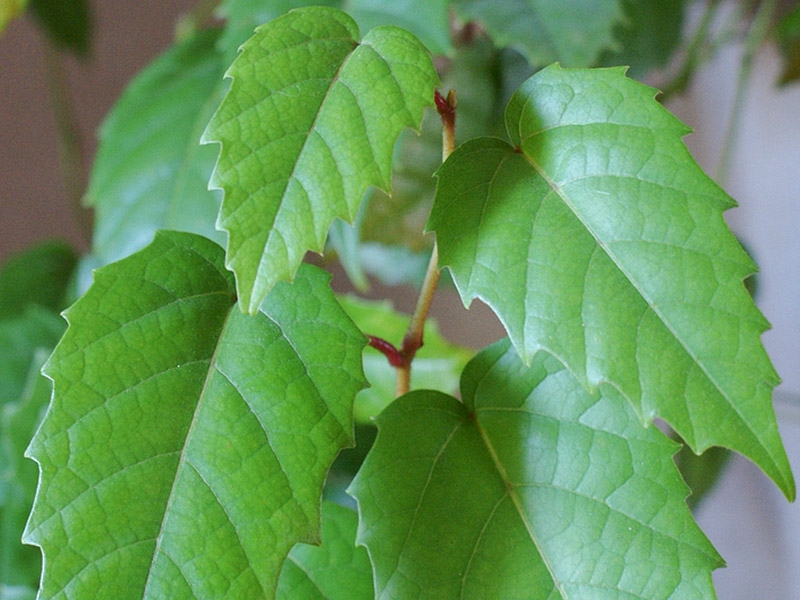
Cissus antarctica is a vining foliage plant native to Australia and is a popular choice for both indoor and outdoor cultivation. The following is information regarding this plant's growth characteristics, propagation methods, cultivation techniques, garden uses, and pest and disease control methods. Growth Characteristics Cissus antarctica thrives in partial shade and prefers bright, indirect light. Its optimal temperature range is 10°C to 25°C, and it is quite resistant to temperature fluctuations. While it enjoys a hot and humid environment, excessive moisture should be avoided. Propagation Methods Cissus antarctica is primarily propagated by cuttings. If you cut a healthy stem in spring or early summer and plant it as a cutting, it will root easily. Plant the cutting in well-draining soil and maintain an appropriate moisture level. Cultivation Methods - Soil: Use well-draining soil. Generally, potting mix for indoor plants is sufficient. - Watering: Water deeply when the soil dries out. It is recommended to use a pot with good drainage. - Fertilizer: Applying liquid fertilizer monthly during spring and summer promotes healthy growth. - Environment: It thrives in high humidity, so using a humidifier is a good idea if growing it indoors. Uses in the Garden Antarctic Cissus is excellent for use as a vining plant in the garden. It can be used to decorate garden fences or arches, and it blends well with other plants, making it suitable for various garden styles. Important Pests and Control Methods Major pests include fungal diseases and scale insects. - Fungal Diseases: Excessive moisture can cause mold to develop, so care must be taken with watering. If disease occurs, it is important to remove the affected parts and improve ventilation. - Scale Insects: They should be removed immediately upon sight, and insecticides should be used in severe cases. Using an eco-friendly soap insecticide can minimize damage. Based on this information, you can successfully grow Antarctic Cissus. Proper environment and care are important for keeping this plant healthy.
Plant Family
grape family
Height
2~3m
Colors
yellow, green
Bloom Period
March to May
Water Needs
commonly
Exposure
semi-shaded area
Freezing Resistance
-10°C
blue pebbles
Cissus discolor
Desserticola for breeding
Cistanche deserticola