English
한국어
English
Español
中文
हिंदी
Home
News
Community
Dictionary
English
한국어
English
Español
中文
हिंदी
View list
Key Lime Aurantifolia
Citrus aurantifolia
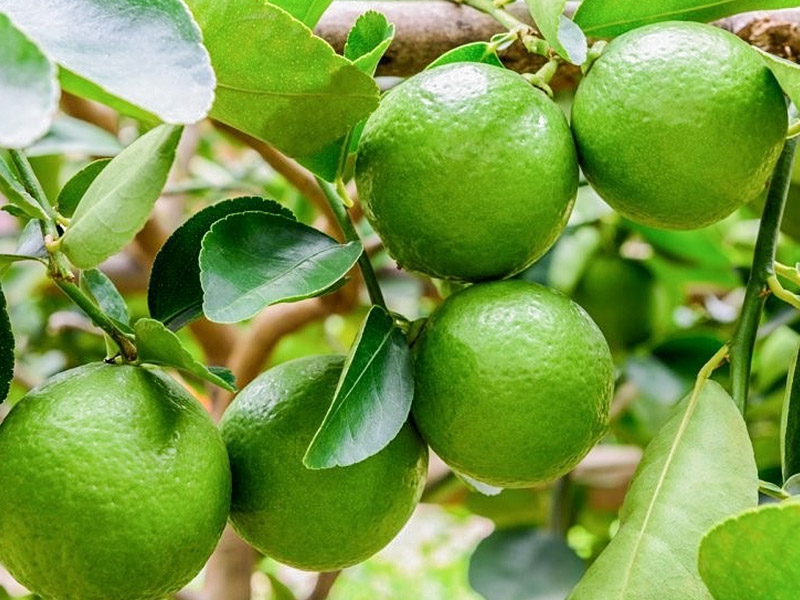
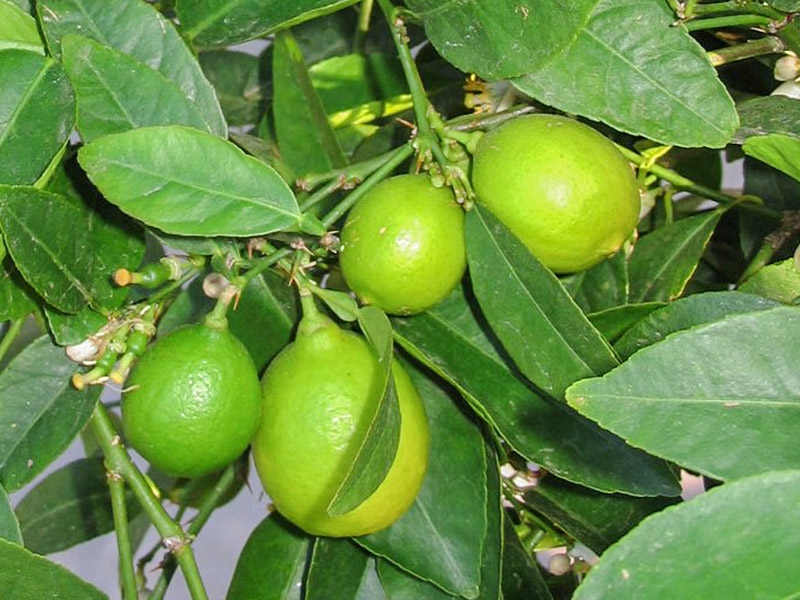
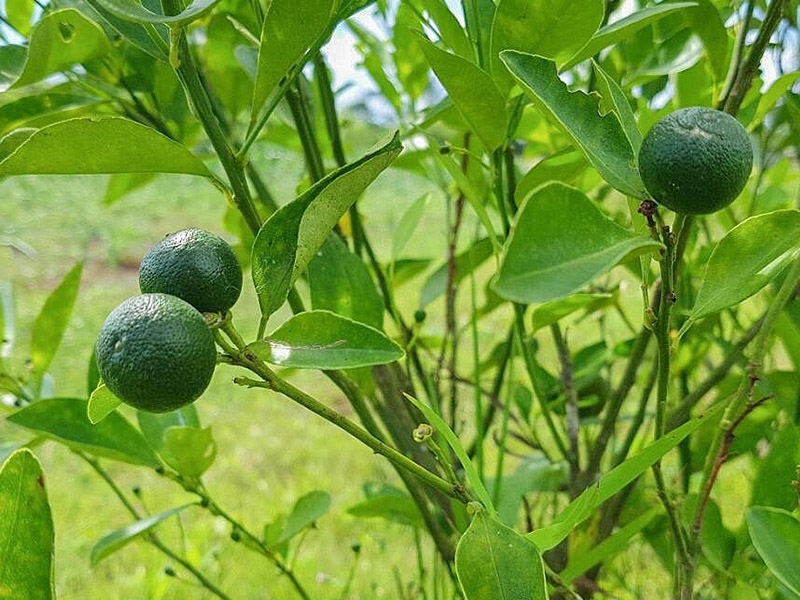
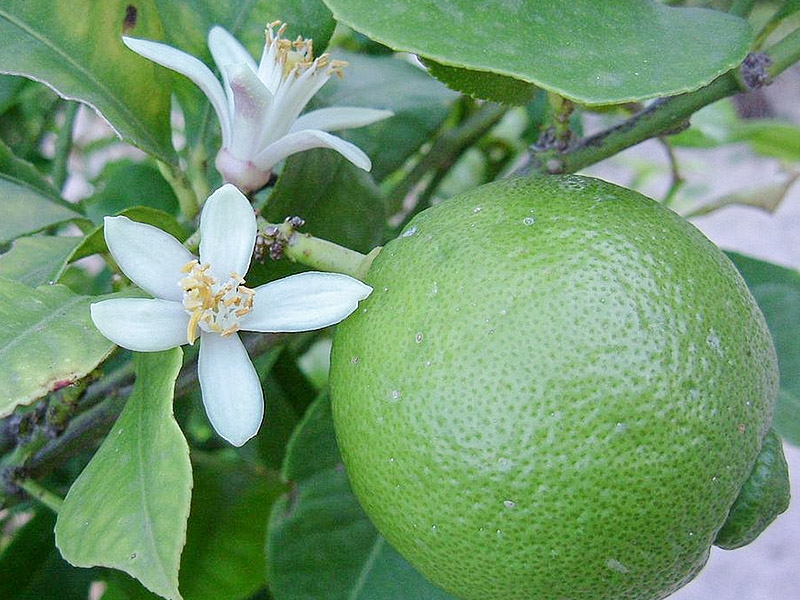
Key lime (Citrus aurantifolia) is a compact tree that thrives primarily in tropical and subtropical climates, producing small, intensely sour lime fruits. The following describes the growth characteristics, propagation methods, cultivation techniques, garden uses, major pests, and control methods of the key lime. - Growth Characteristics: - Key lime trees grow up to 4 to 6 meters in height and produce many branches. - The leaves are oval-shaped, glossy, and dark green. - Fragrant white flowers bloom in spring and summer, followed by the development of small green fruits. - The fruit turns yellow when mature, has a thin skin, and is rich in juice. - Propagation Methods: - It can be propagated by various methods, including seeds, cuttings, and grafting. - Propagation by seeds takes a long time, but cultivation is relatively simple. - Cuttings are an easy propagation method, and rooting agents can be helpful. - Grafting is used to increase resistance to pests and diseases and improve fruit production. - Cultivation Methods: - It prefers sunny locations and well-drained soil. - It grows particularly well in sandy soil with good drainage. - Water regularly, but be careful not to overwater. - Pruning in late winter or early spring helps shape the tree and promotes fruit production. - Uses in the Garden: - Key limes are excellent for decoration in gardens and on terraces, and fruit harvesting is also possible. - Thanks to their small size, they can also be grown in pots. - They are used as a spice in food and beverages, and are particularly popular in Mexican cuisine. - Major Pests and Diseases and Control Methods: - Major diseases include black spot disease and citrus canker, and appropriate preventive measures are necessary. - To control them, it is recommended to remove diseased leaves and select varieties that are resistant to pests and diseases. - Major pests include aphids, scale insects, and scale insects; using appropriate insecticides is effective for controlling them. - Maintain a clean and dry environment to prevent fungal diseases. Through such management, you can cultivate healthy key lime trees.
Plant Family
Rutaceae
Height
5m
Colors
white
Bloom Period
January to December
Water Needs
commonly
Exposure
Sunny
Freezing Resistance
-3°C
Gwanggyul
Citrus
×
aurantium
Calamansi x Microcarpa
Citrus
×
microcarpa