English
한국어
English
Español
中文
हिंदी
Home
News
Community
Dictionary
English
한국어
English
Español
中文
हिंदी
View list
Persian Lime 'Bears Lime'
Citrus
×
latifolia
'Bearss Lime'
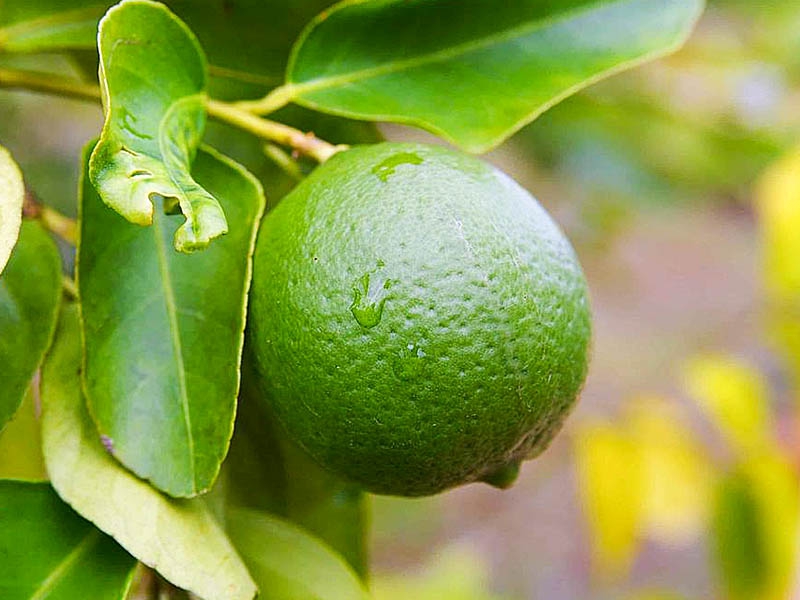
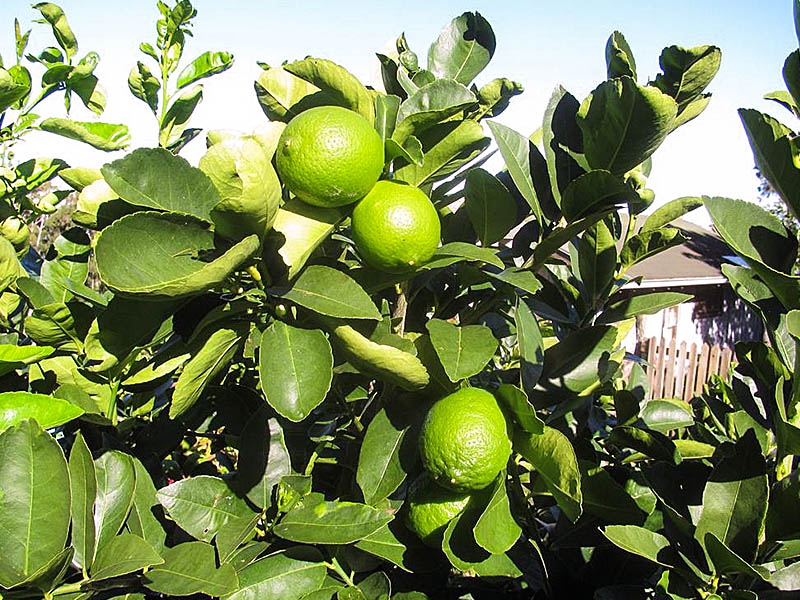
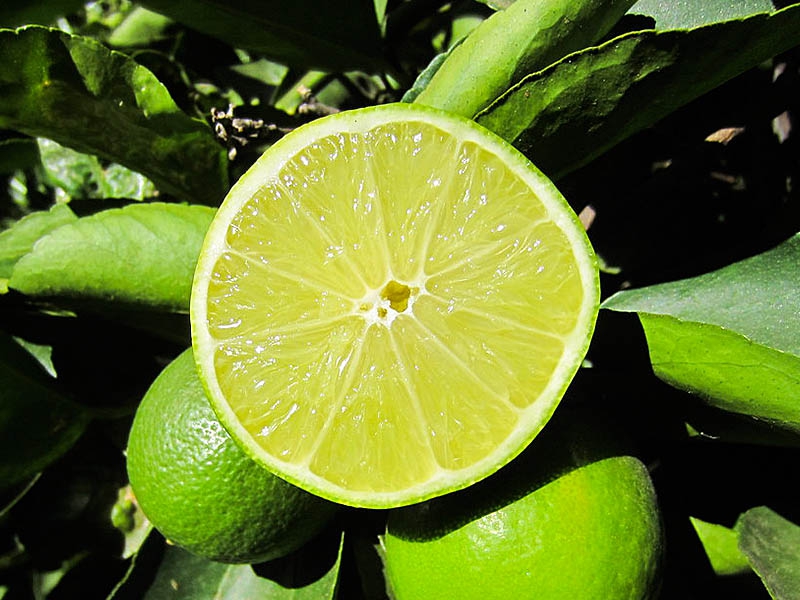
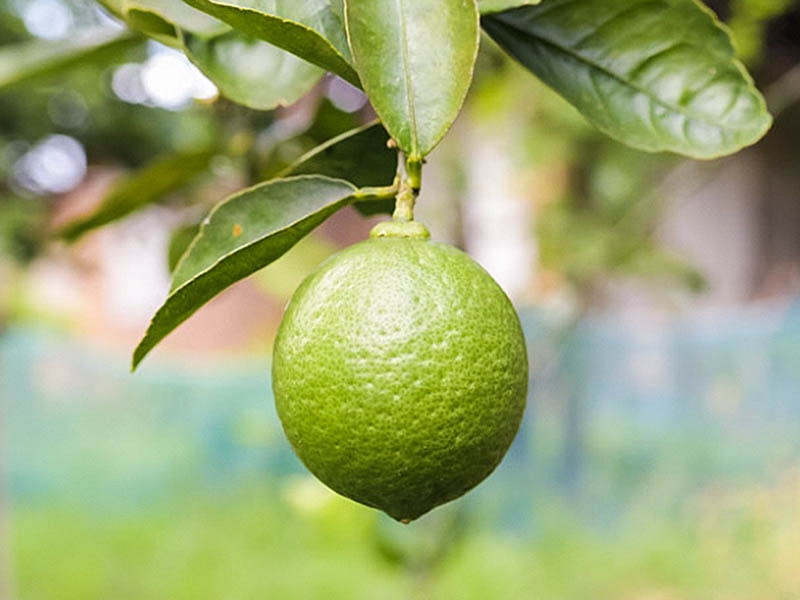
Persian Lime 'Bears' Lime' (Citrus × latifolia 'Bears' Lime') is an attractive plant in many respects due to its characteristics. The following describes the growth characteristics, propagation methods, cultivation methods, garden uses, and major pests and diseases and control methods for this variety. Growth Characteristics - Growth Form: Bears' Lime grows as a small tree, reaching an average height of 2 to 4 meters. - Tree and Leaves: This variety has dark green, oval-shaped leaves. - Fruit: The fruit is primarily pea-shaped, round, and small oval, with a thin, soft skin. The taste is refreshing and strongly acidic. Propagation Methods - Seed Propagation: Propagation from seeds is possible, but the quality may not be uniform. - Grafting: Propagation by grafting the main stem onto a rootstock is a common method, which guarantees the production of fruit of uniform quality. - Cuttings: Branch cuttings can also be used, and the success rate is high. Cultivation Method - Soil Conditions: Well-drained, fertile soil is suitable. A pH range of slightly acidic to neutral (6.0–7.5) is ideal. - Sunlight: It thrives in sunny locations. It requires at least 6 hours of direct sunlight per day. - Watering: Avoid overwatering and water when the soil is slightly dry. - Temperature: Bear's limes prefer a warm climate and grow well at temperatures above approximately 10°C. Garden Use - Uses: Bear's limes are valuable not only as edible fruit but also as ornamental plants. They are particularly suitable for kitchen gardens if you desire fresh limes. - Landscaping: They can be pruned into small tree-like shapes and used as landscaping elements. Major Pests and Control Methods - Diseases: Black spot or downy mildew are common. These can be prevented through proper ventilation and drainage. - Pests: Pests such as aphids, spider mites, and moth larvae can cause problems. These can be controlled using soapy water or organic insecticides. - Control Strategies: If you prefer organic farming, it is effective to avoid chemical insecticides such as neonicotinoids and utilize natural predators. Regular observation and early detection are crucial for preventing pests and diseases. Based on the information above, you can refer to it when growing Bear's Lime or using it in your garden.
Plant Family
Rutaceae
Height
1~4.5m
Colors
green
Bloom Period
March to August
Water Needs
commonly
Exposure
Sunny
Freezing Resistance
-3°C
Clementine Clementina
Citrus clementina
Persian Lime x Latifolia
Citrus
×
latifolia