English
한국어
English
Español
中文
हिंदी
Home
News
Community
Dictionary
English
한국어
English
Español
中文
हिंदी
View list
Henry's pine tree
Tilia henryana
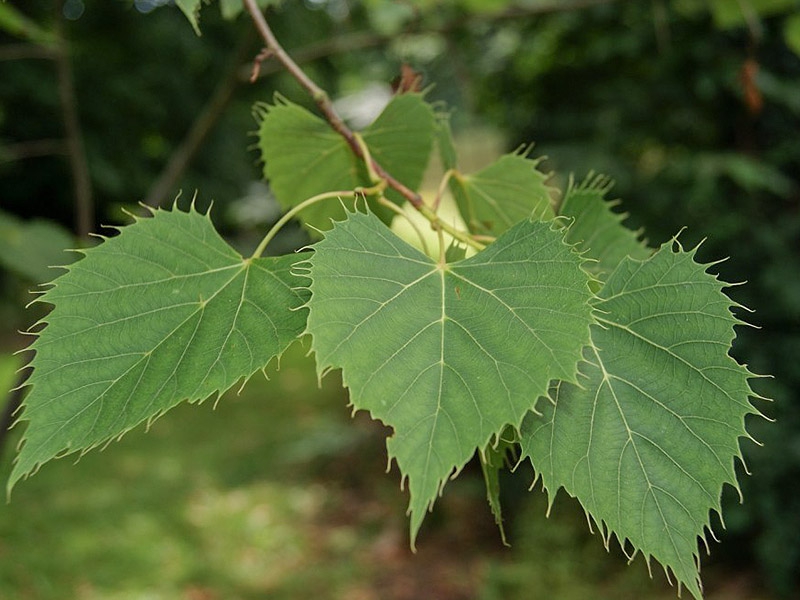
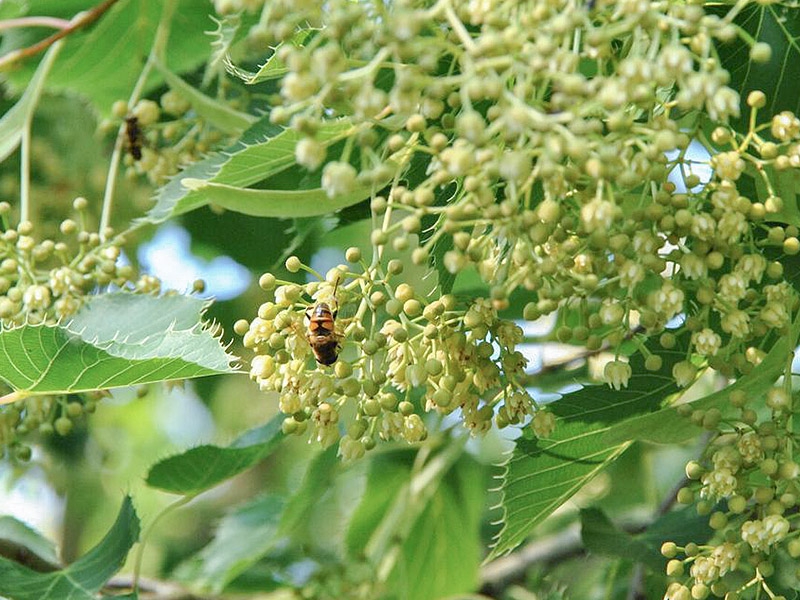
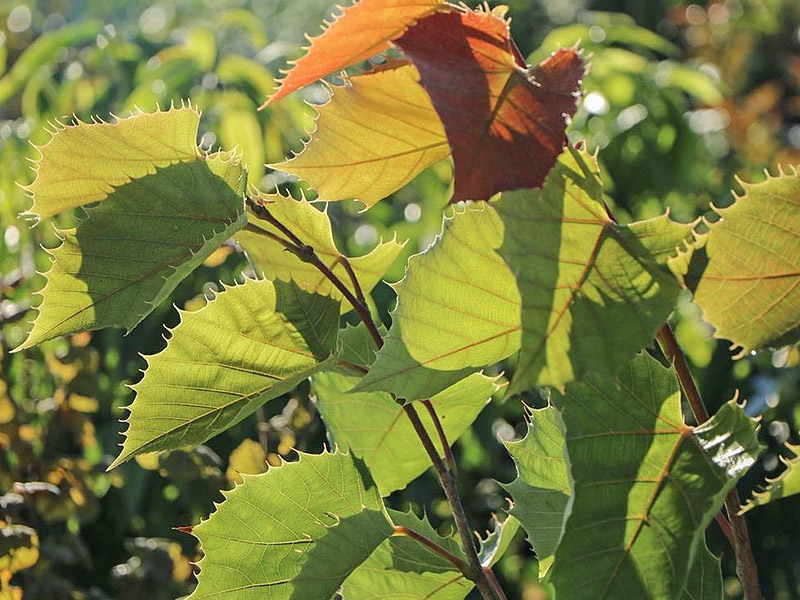
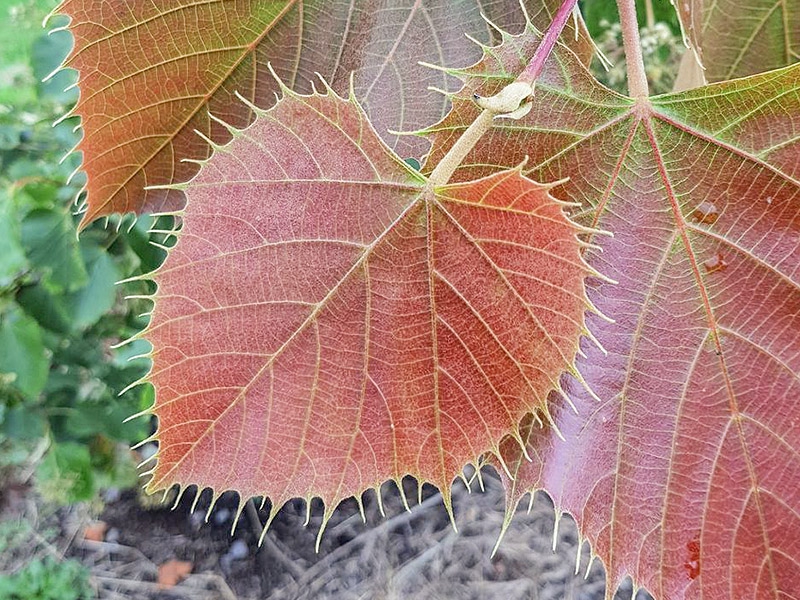
Tilia henryana is a deciduous tree native to China. It is attractive for its beautiful ginkgo-like leaf shape and the golden hues of its autumn foliage. This tree thrives primarily in mild and humid climates; while it prefers sunlight, it can also grow in partially shaded areas. Growth Characteristics - Growth Rate: Generally slow, and mature trees typically reach heights of 10 to 20 meters. - Leaves: Features distinct serrated edges, and the autumn foliage is exceptionally beautiful. - Flowers: Small yellow flowers bloom in the summer and have a pleasant fragrance. The flowers attract bees and butterflies. Propagation Methods - Seed Propagation: Collect seeds and sow them immediately, or store them in the refrigerator and sow them the following spring. - Cuttings: Cuttings from new branches are also a viable method. This is typically attempted in spring or early summer. Cultivation Methods - Soil: Prefers well-drained soil rich in organic matter. - Watering: Water new trees frequently, while water mature trees as needed. - Fertilizer: Applying slow-release fertilizer in the spring is recommended. Uses in the GardenPinus henliana is highly popular as a decorative garden plant due to its beautiful foliage and flowers. It is also suitable for creating resting areas as it provides shade. Important Pests and Control Methods - Diseases: Fungal diseases may occasionally occur on the leaves. In such cases, use appropriate pesticides or remove diseased leaves. - Pests: Leaf-eating insects may occur. To control this, conduct regular inspections and use insecticides when necessary. Grow a healthy Pinus henliana with continuous care and monitoring.
Plant Type
Plant Family
Malvaceae
Height
6~9m
Spread
6~9m
Colors
green
Bloom Period
April to August
Water Needs
commonly
Exposure
Sunny
Freezing Resistance
-10°C
Linden tree, Tomentosa
Tilia tomentosa
European linden
Tilia × europaea