English
한국어
English
Español
中文
हिंदी
Home
News
Community
Dictionary
English
한국어
English
Español
中文
हिंदी
View list
European linden
Tilia
×
europaea
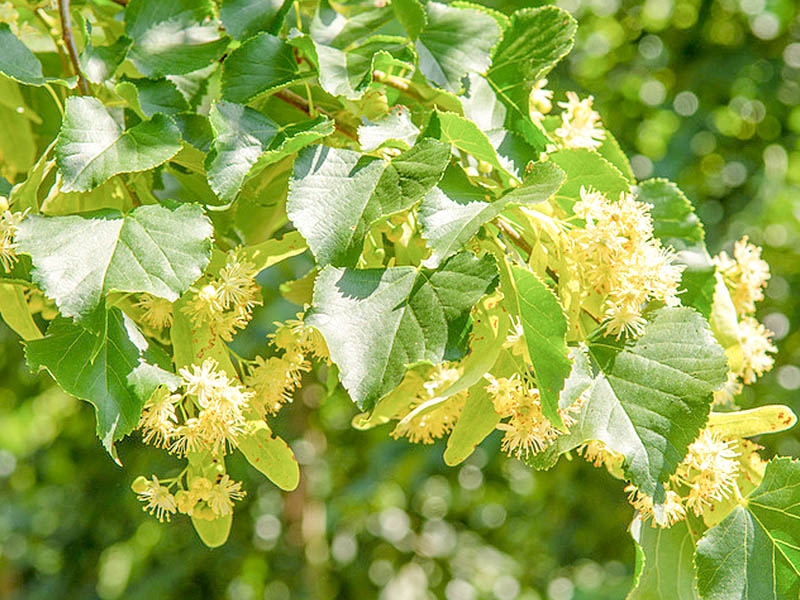
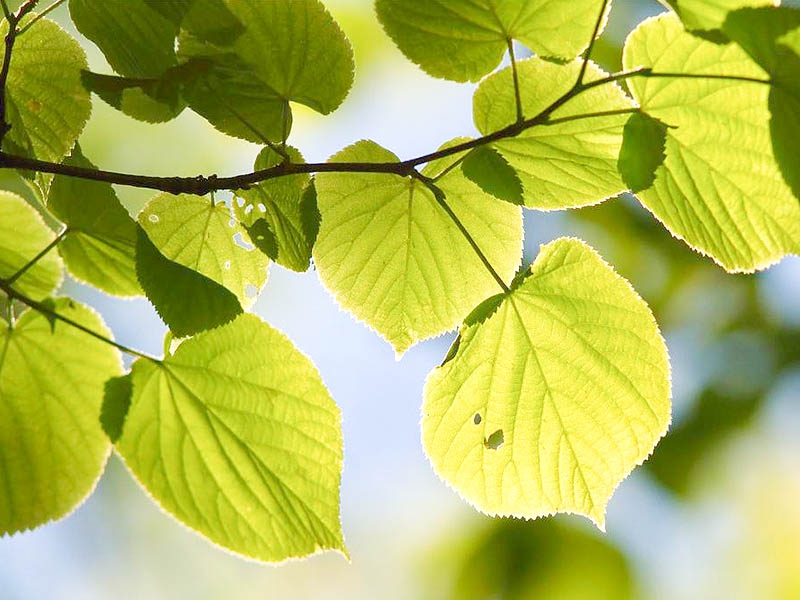
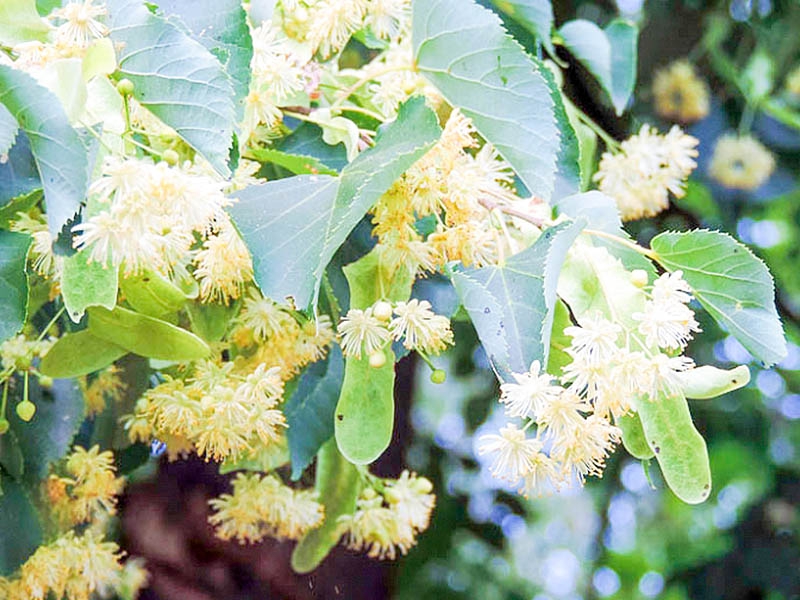
Tilia × europaea is a hybrid tree native primarily to Europe and is commonly planted as a street tree in parks. The following is information regarding this tree's growth characteristics, propagation methods, cultivation methods, garden uses, and major pests and diseases, as well as control methods. Growth Characteristics - Size and Shape: Mature trees typically grow up to 20 to 30 meters tall, with a wide, rounded crown. - Leaves: Characterized by heart-shaped leaves; they are dark green in summer and turn yellow in autumn. - Flowers: Fragrant yellow flowers bloom around June and July, attracting bees and other insects. - Roots: The roots are shallow and tend to spread widely. Propagation Methods - Seeds: Propagation by seeds is possible, but germination is poor, so other methods are generally more commonly used. - Cuttings: It can be propagated through branch cuttings. - Grafting: Grafting is also a method primarily used with seedlings as rootstock. Cultivation Methods - Soil: It thrives in well-drained, fertile soil. It is relatively tolerant of salts. - Sunlight: It grows well in locations with plenty of sunlight, but can also grow to some extent in partial shade. - Water: It is not resistant to drought, so young trees require regular watering. Uses in Gardens - Suitable as a landscape tree in large gardens or parks. - Popular as a shade-providing tree, it is useful for creating picnic spots or resting areas. Major Pests and Diseases & Control Methods - Aphids: They mainly occur during the summer and damage leaves and new shoots. They can be controlled using soapy water or insecticides. - Leaf Beetles: Adults and larvae that gnaw on leaves can cause problems. They should be detected early and removed manually or treated with insecticides. - Diseases: Brown spot disease or fungal diseases may occur. It can be prevented by maintaining proper ventilation and healthy soil, and fungicides should be used if necessary when the disease occurs. The above is basic information regarding the European Linden. Planting and tending to this tree in gardens or parks can greatly contribute to landscape improvement and environmental protection.
Plant Type
Plant Family
Malvaceae
Height
15~20m
Spread
9~15m
Colors
white
Bloom Period
April to August
Water Needs
commonly
Exposure
Sunny
Freezing Resistance
-15°C
Henry's pine tree
Tilia henryana
Linden Euclora
Tilia × euchlora