English
한국어
English
Español
中文
हिंदी
Home
News
Community
Dictionary
English
한국어
English
Español
中文
हिंदी
View list
Clytonia Langeolata
Claytonia lanceolata
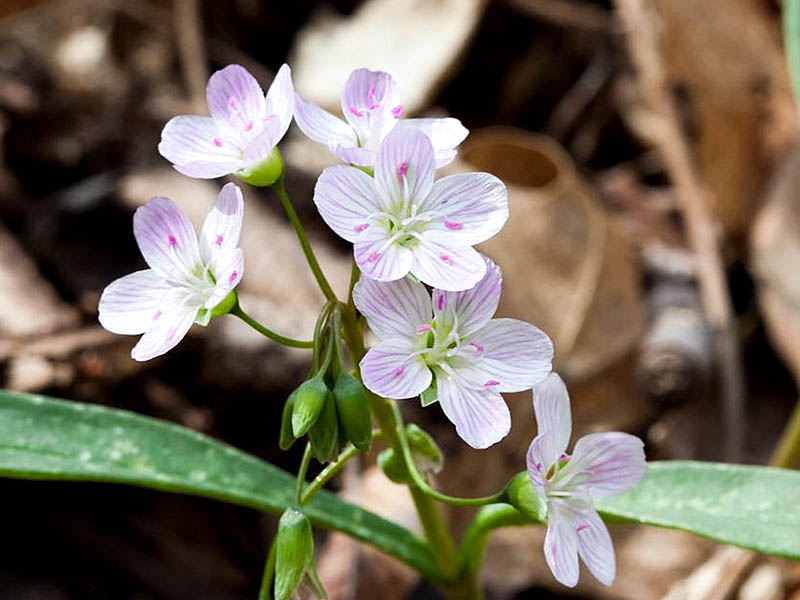
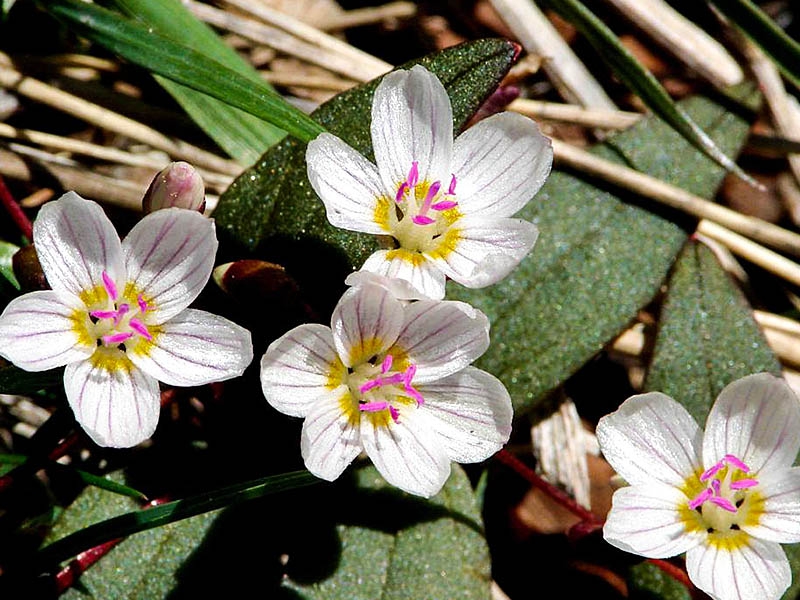
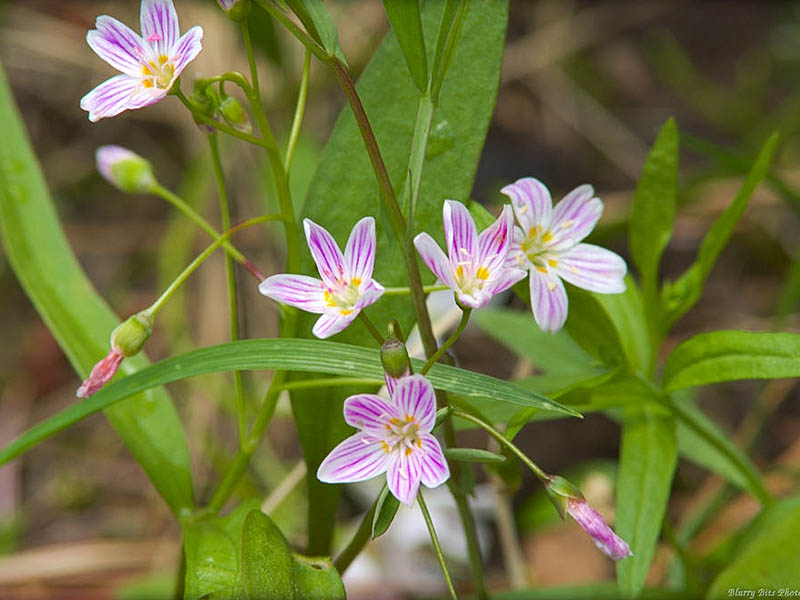
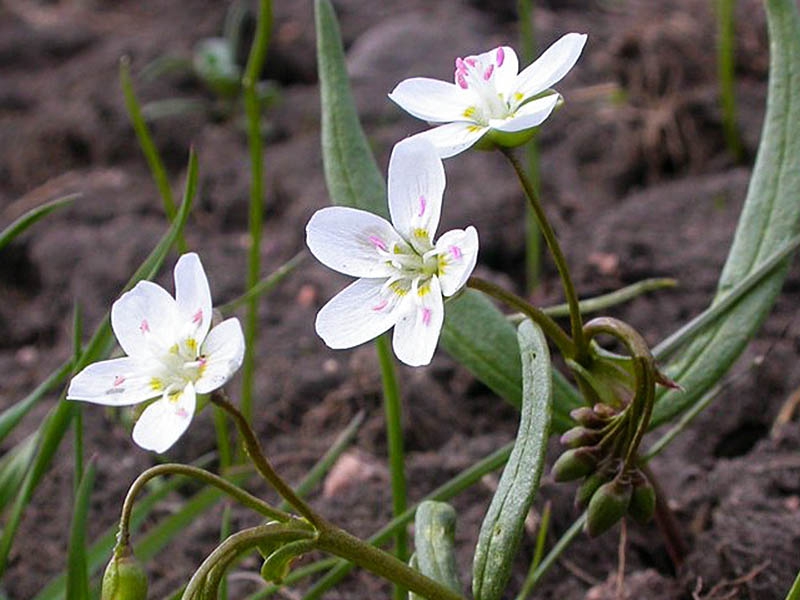
I will explain the growth characteristics, propagation methods, cultivation methods, garden uses, and major pests and diseases and control methods of Claytonia lanceolata. Growth Characteristics Claytonia lanceolata is a perennial herbaceous plant that grows primarily in North America. This plant thrives at high altitudes and blooms in the spring while tolerating cold temperatures. The leaves grow mainly in clusters near the base, and the root system is thick. Propagation Methods This plant primarily reproduces through seeds. After flowering in the spring, seeds mature and fall to the ground, where they germinate into new individuals. It can also be propagated by root division. You can attempt propagation by utilizing these characteristics. Cultivation Methods Claytonia lanceolata grows well in well-drained soil. It thrives in areas with ample sunlight and partial shade, but care must be taken as excessive soil moisture or poor drainage can cause root rot. You can promote healthy growth by freshening the potting soil or applying fertilizer in the spring. Uses in the GardenIn the garden, Clytonia lancheolata is primarily used as a ground cover or for rock gardens. It is preferred in wildflower gardens or primitive garden designs due to its natural appearance. The small flowers that bloom in the spring add vibrancy to the garden. Important Pests and Control Methods Clytonia lancheolata is relatively resistant to pests and diseases, but it may occasionally be damaged by aphids or snails. In such cases, damage should be minimized through periodic observation. Aphids can be easily removed using soapy water, while snails can be physically removed or treated with organic pesticides. With proper care and observation, Clytonia lancheolata can maintain its beautiful appearance in the garden.
Plant Family
Montiaceae
Height
20~25cm
Colors
white, pink
Bloom Period
April to July
Water Needs
commonly
Exposure
Sunny
Freezing Resistance
-30°C
Yellow lanthium
Clausena lansium
Clytonia Virginica
Claytonia virginica