English
한국어
English
Español
中文
हिंदी
Home
News
Community
Dictionary
English
한국어
English
Español
中文
हिंदी
View list
Clytonia Virginica
Claytonia virginica
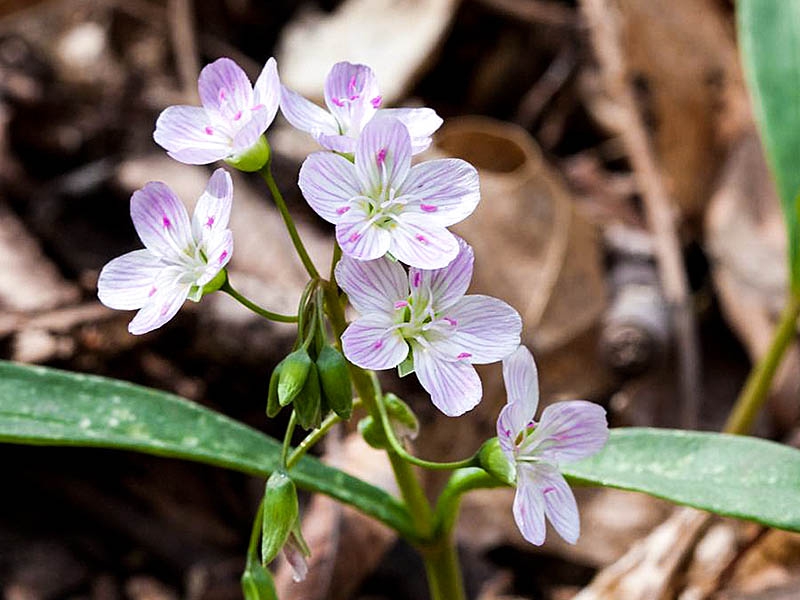
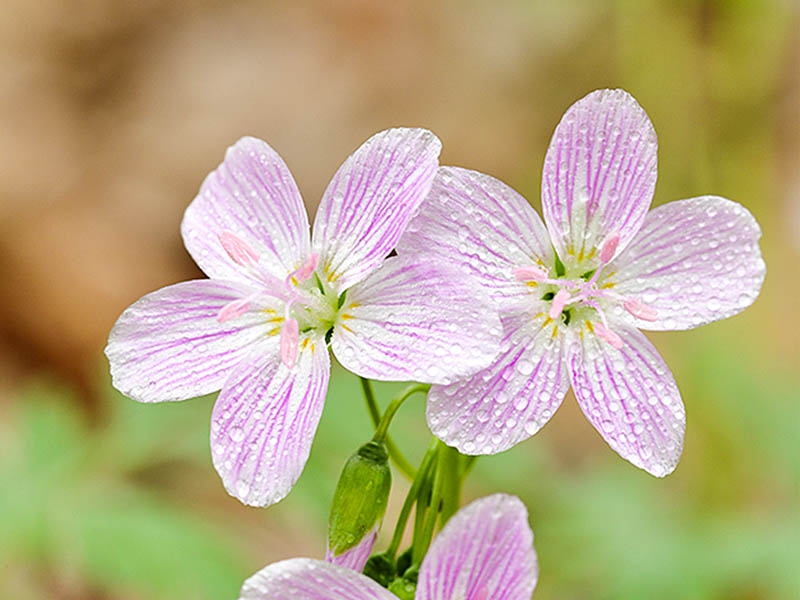
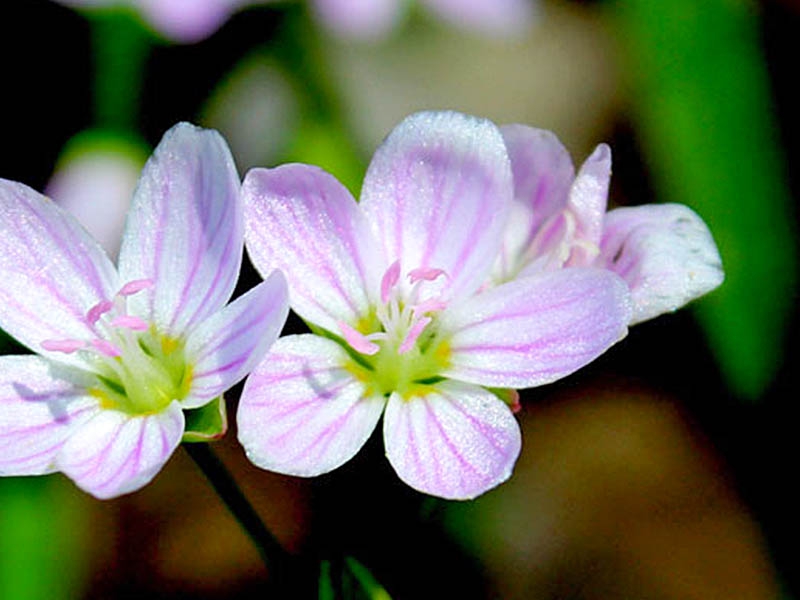
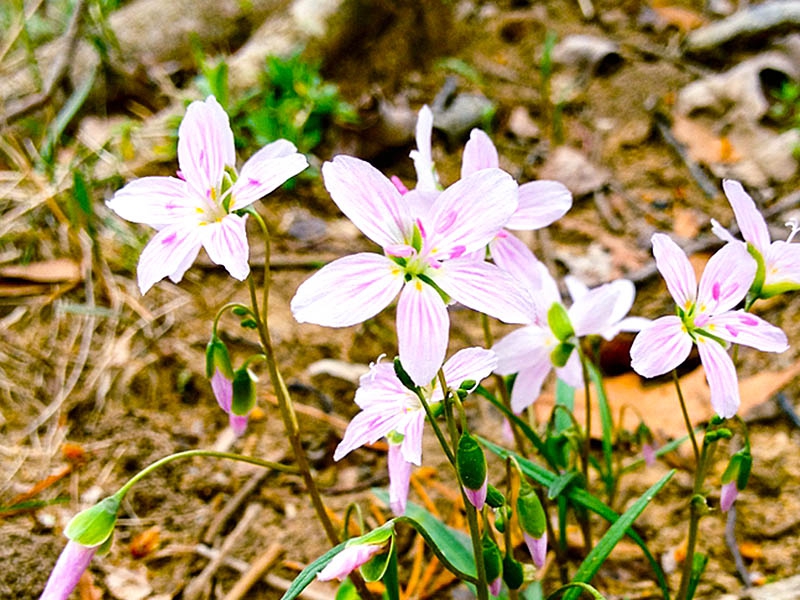
I will explain the growth characteristics, propagation methods, cultivation methods, garden uses, and major pests and diseases and control methods of Claytonia virginica. Growth Characteristics Claytonia virginica is a perennial herbaceous plant that inhabits the eastern regions of North America. It flowers in the spring and thrives in moist forests or shady areas. The leaves are long and oval-shaped, and the flowers are typically white to pink, blooming in clusters at the tips of the stems. Propagation Methods This plant can be propagated by seeds, and natural self-sowing is also possible. Seeds ripen well in the summer, so it is best to sow them in the fall or spring. Propagation can also be done by dividing root clumps. Cultivation Methods - Soil: It prefers well-drained, moist soil. - Location: It grows well in partial shade or sunny locations. - Watering: It should be watered consistently during the growing season, but overwatering should be avoided. - Fertilizer: No special fertilizer is required, but adding a light amount of organic matter is helpful. Garden Uses Cleitonia virginica is suitable for shaded gardens, naturalistic gardens, or wildflower gardens. Since it produces bright flowers in the spring, it is useful when you want to add color in early spring. Important Pests and Control Methods This plant is relatively resistant to pests and diseases, but it can occasionally be damaged by aphids or slugs. - Aphid Control: They can be removed by hand or using soapy water. - Slug Control: Prevention is possible by using copper tape or natural pesticides at night. With proper care and environment, Cleitonia virginica can grow and be maintained in the garden relatively easily.
Plant Family
Montiaceae
Height
15~25cm
Spread
15~25cm
Colors
pink
Bloom Period
March to May
Water Needs
commonly
Exposure
Sunny
Freezing Resistance
-30°C
Clytonia Langeolata
Claytonia lanceolata
Golden rat-tail cactus
Cleistocactus winteri