English
한국어
English
Español
中文
हिंदी
Home
News
Community
Dictionary
English
한국어
English
Español
中文
हिंदी
View list
Black-bell vine
Clematis fusca
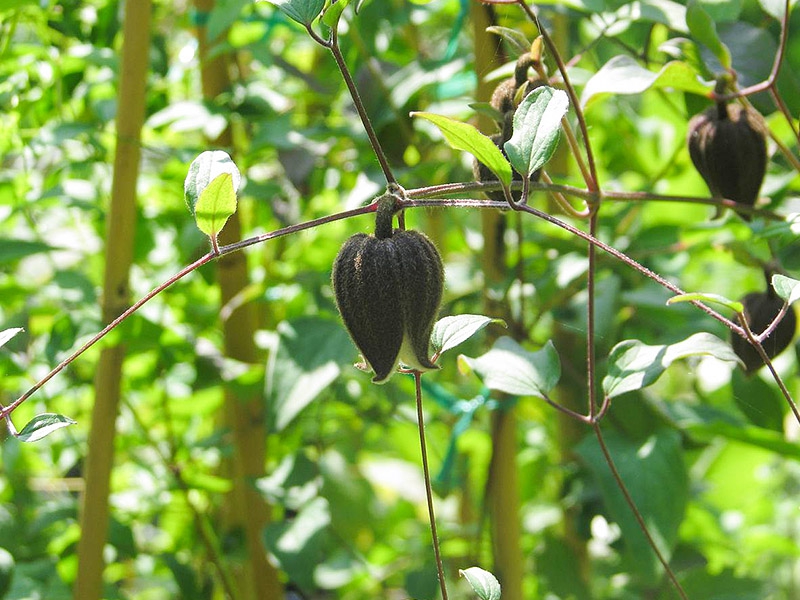
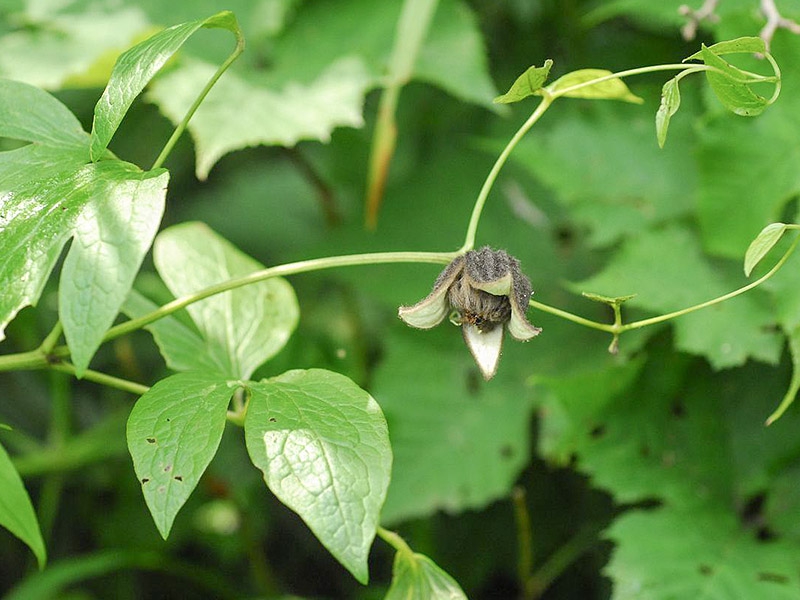
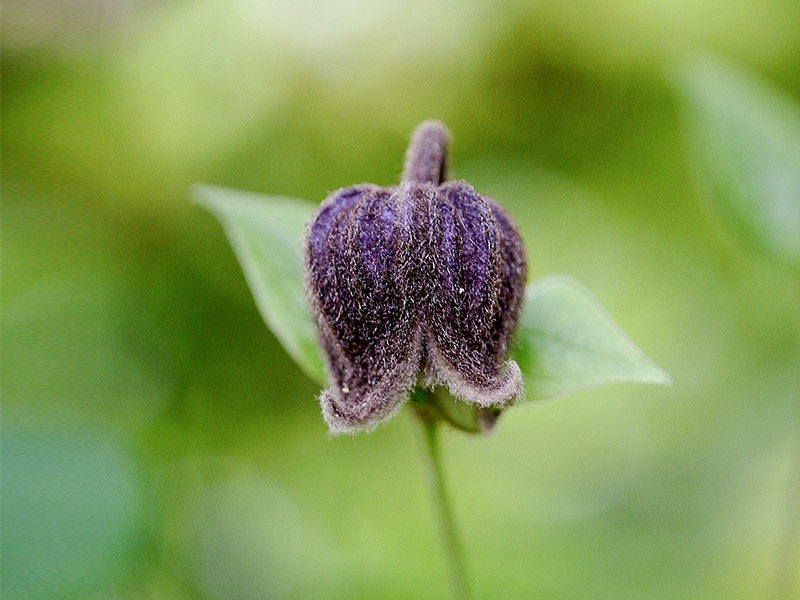
Growth Characteristics of Clematis fusca Clematis fusca is a perennial vine belonging to the Ranunculaceae family. This plant thrives primarily in partial shade and prefers well-draining soil. It can grow to a height of approximately 2 to 3 meters and produces brown or purple flowers in the summer. A distinctive feature is that the bell-shaped flowers bloom facing downwards. Propagation Methods Clematis fusca can primarily be propagated by seeds or cuttings. When using seeds, it is recommended to collect mature seeds and sow them in the spring. For cuttings, use stems about 15 cm long cut in early summer; applying a rooting hormone to the cut surface can promote rooting. Cultivation Methods Since this plant grows well in partial shade, it is best to plant it in a location that avoids strong direct sunlight. When planting, select well-draining soil and provide adequate moisture during the growing season. As it is a vining plant, providing supports will allow the plant to grow more stably. Additionally, it is important to supply proper nutrients through regular fertilization. Uses in the Garden Pusca vines provide a decorative effect in the garden with their distinctively beautiful flowers and unique leaf shapes. As a vining plant, they can spread long along fences, arches, and trellises, making them ideal for vertical garden designs. Important Pests and Control Methods Pusca vines are relatively resistant to pests and diseases, but they can be susceptible to common problems such as fungal diseases, aphids, and spider mites. - Fungal diseases: These can be prevented through proper ventilation, and fungicides can be used if necessary. - Aphids: They can be controlled by washing them off with soapy water or water, or by using appropriate insecticides. - Spider mites: Increase humidity by increasing the amount of water sprayed on the plant, and use insecticides in severe cases. Pests and diseases can be effectively managed through regular observation and prompt action.
Plant Family
Ranunculaceae
Height
2m
Colors
purple, brown
Bloom Period
June to August
Water Needs
commonly
Exposure
semi-shaded area
Freezing Resistance
-30°C
Yogangnamul
Clematis fusca
var.
flabellata
Memorial ship
Clematis florida