English
한국어
English
Español
中文
हिंदी
Home
News
Community
Dictionary
English
한국어
English
Español
中文
हिंदी
View list
Whydae-euari
Clematis brachyura
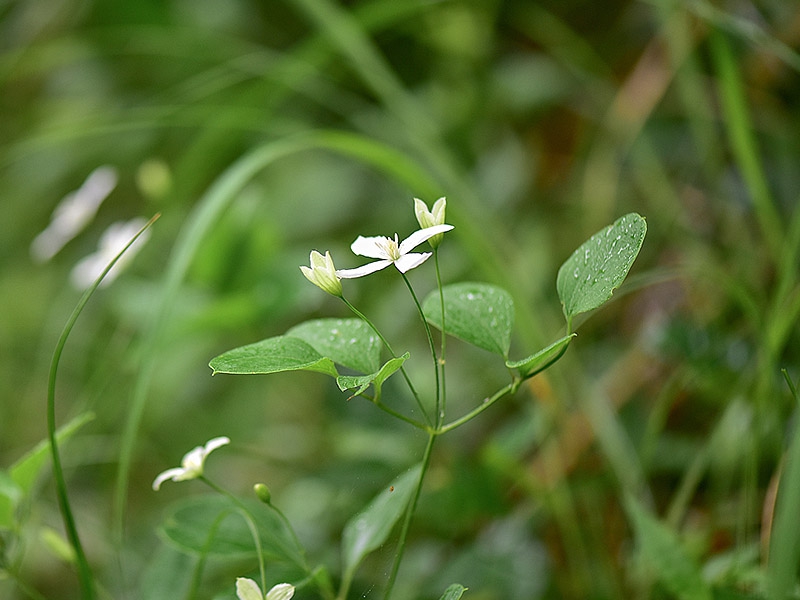
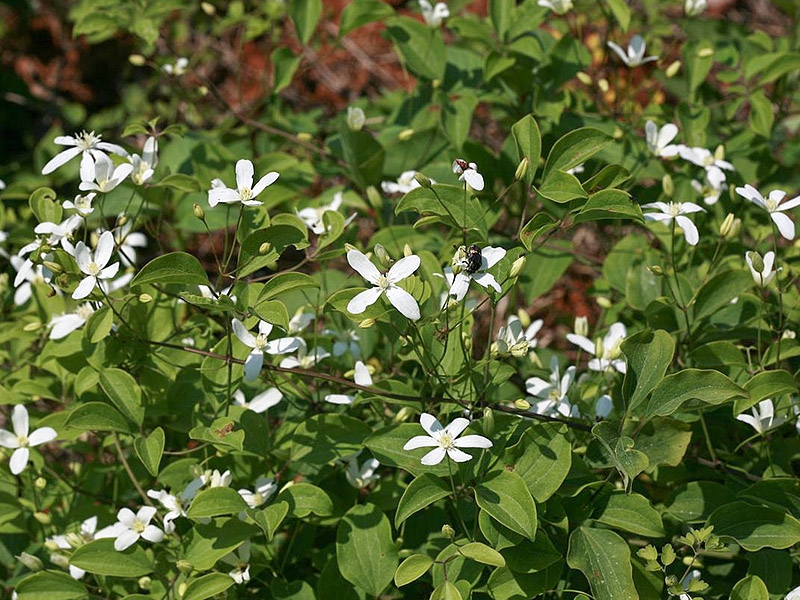
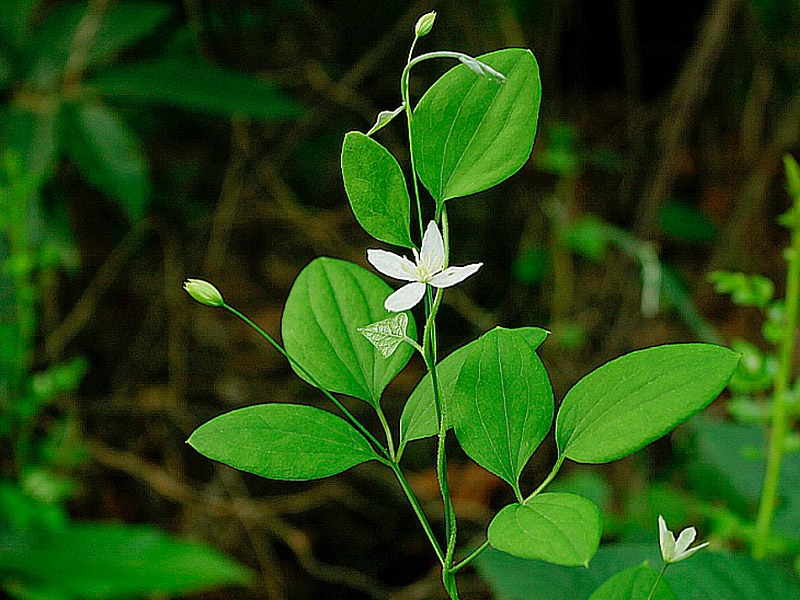
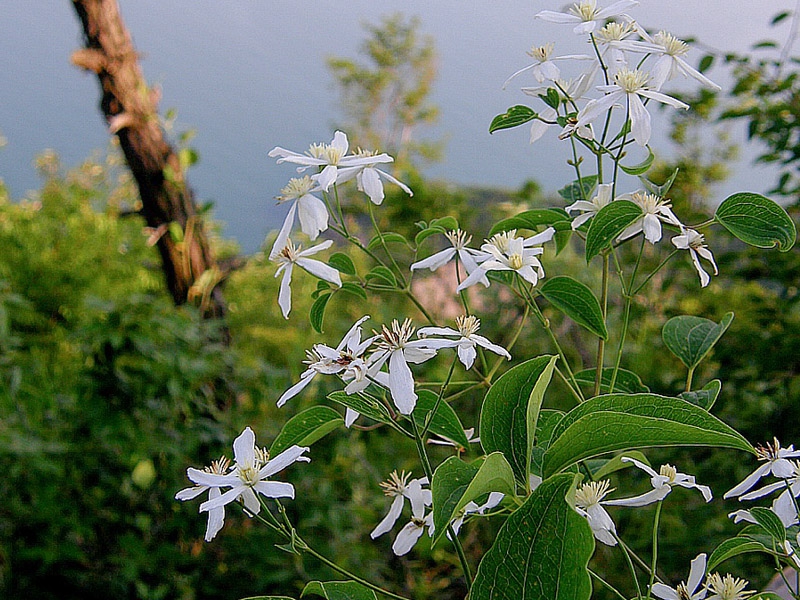
Here is a summary of information regarding Clematis brachyura: Growth Characteristics Clematis brachyura is a vine that thrives in soil with an acidic to neutral pH. While it enjoys sunlight, it prefers keeping its roots in the shade. It requires soil with adequate drainage, and soil fertility is also a crucial factor for growth. Propagation Methods Clematis brachyura can primarily be propagated through cuttings and seeds. For cuttings, the tips of cut stems can be used during the summer. Seed propagation is possible by sowing seeds in the spring, although germination rates may be low. Cultivation Methods - Planting: It is recommended to plant in the spring or autumn. - Soil Preparation: Prepare deep, fertile soil that drains well. - Watering: Maintain moderate humidity while avoiding excessive watering. 4. Fertilizer: It is recommended to use organic or slow-release fertilizers according to the growing season. Uses in the GardenAs a vining plant, Clematis terniflora can be used for hedges, arches, or trellises. It is also suitable for naturally decorating shaded walls. Important Pests and Control Methods Major pests include gray mold and aphid attacks. - Gray Mold: Since it mainly occurs when humidity is high and ventilation is poor, it is important to maintain proper ventilation and drainage. If an outbreak occurs, it can be controlled using antimicrobial agents. - Aphids: Aphids reproduce actively in spring and summer; therefore, if detected early, they can be treated promptly with pesticides or controlled naturally using natural predators. Regular observation and management are necessary to prevent various pests and diseases.
Plant Family
Ranunculaceae
Height
1~2m
Colors
white
Bloom Period
June to September
Water Needs
commonly
Exposure
semi-shaded area
Freezing Resistance
-20°C
Memorial ship
Clematis florida
Cow's-claw
Clematis apiifolia