English
한국어
English
Español
中文
हिंदी
Home
News
Community
Dictionary
English
한국어
English
Español
中文
हिंदी
View list
Clematis Virginiana
Clematis virginiana
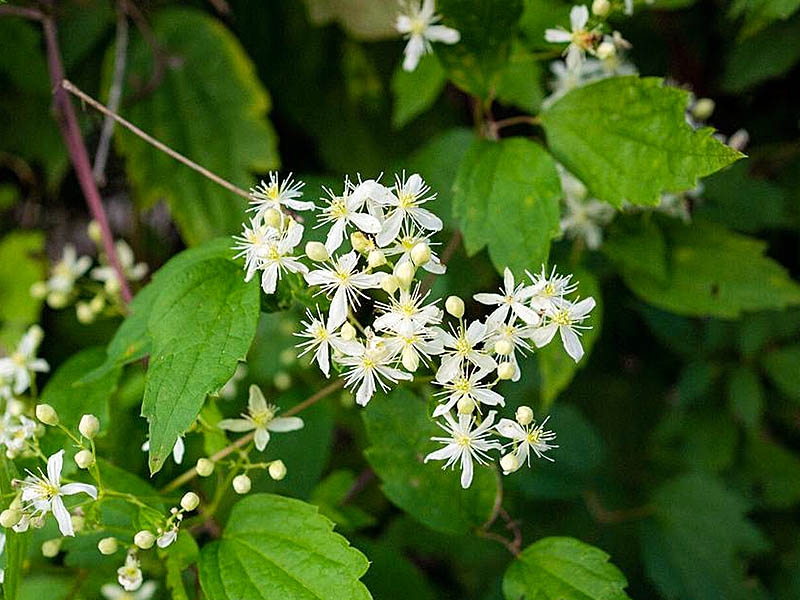
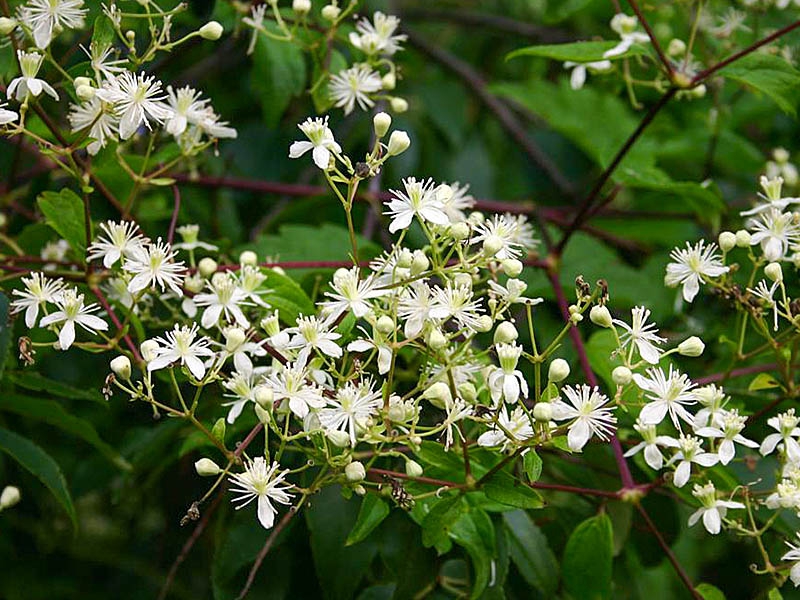
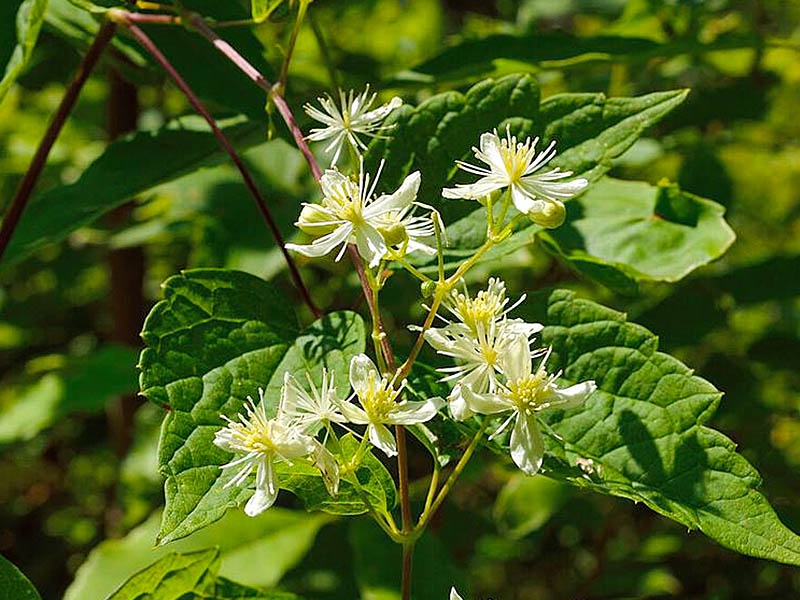
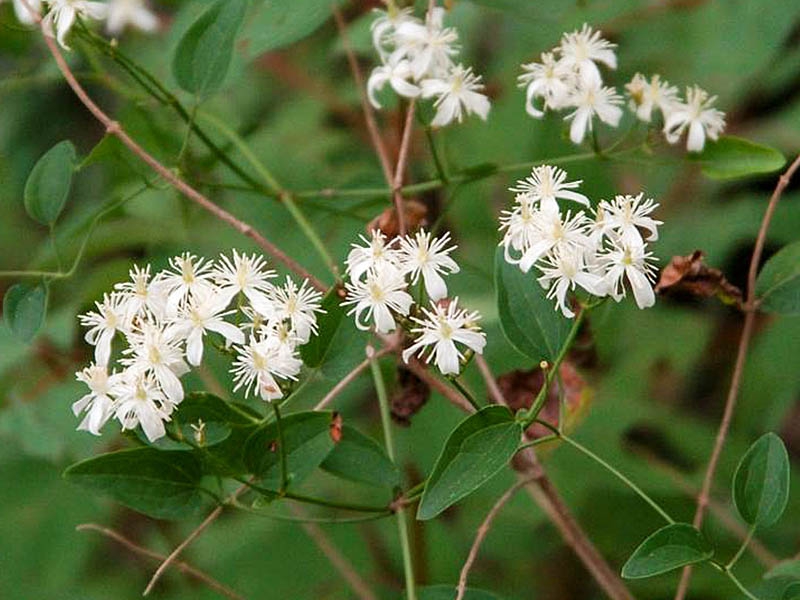
Growth Characteristics: Clematis Virginiana is a deciduous vine belonging to the parsley family and is native to North America. When fully grown, it reaches a length of 5 meters and produces small white flowers in the summer. The leaves consist of three leaflets and change color slightly depending on the season. Propagation Methods: It can be propagated by seeds, cuttings, and division. Propagation by seeds takes a long time but allows for mass propagation. Cuttings are taken by cutting newly grown branches in spring or early summer to encourage rooting. Cultivation Methods: Clematis Virginiana prefers well-drained soil and sunlight. While it can grow in partial shade, it blooms more abundantly in sunny locations. Since the roots grow deep, it is important to plant deeply, and a support stake is required to hold the growing vines. Garden Uses: As a vining plant, it is well-suited for garden walls, fences, and arched structures. In the summer when it blooms, it provides a visually beautiful effect and attracts butterflies and bees, enriching the ecosystem. Important Pests and Control Methods: Spot disease and powdery mildew may occur, and damage from aphids and moths may also be present. If disease occurs, control it using appropriate pesticides, and maintaining well-drained soil can reduce disease outbreaks. Pests can be removed by hand or through eco-friendly control methods. Regular pruning to improve ventilation also helps with prevention.
Plant Family
Ranunculaceae
Height
3~6m
Spread
90~180cm
Colors
white
Bloom Period
July~August
Water Needs
commonly
Exposure
Sunny
Freezing Resistance
-30°C
purple bellflower
Clematis alpina
var.
ochotensis
Clematis texensis
Clematis texensis