English
한국어
English
Español
中文
हिंदी
Home
News
Community
Dictionary
English
한국어
English
Español
中文
हिंदी
View list
Clematis 'The Counts of Wessex'
Clematis
'The Countess of Wessex'
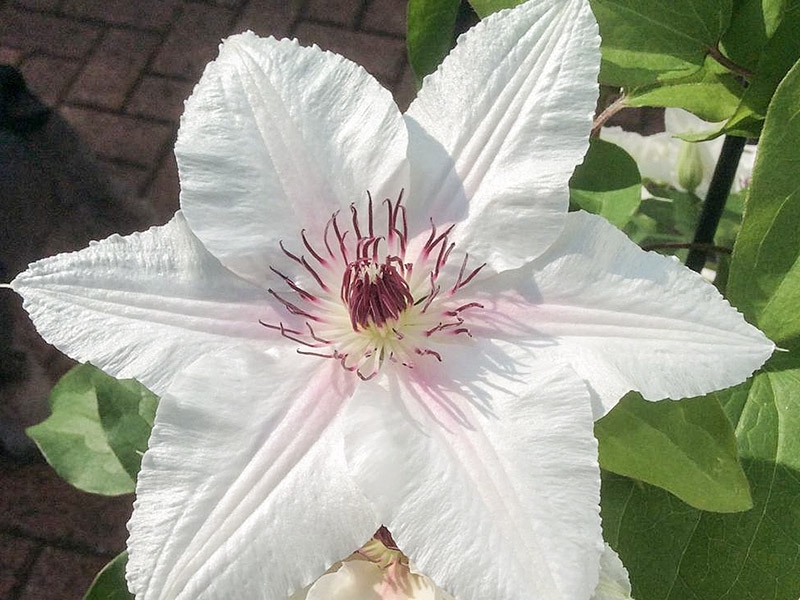
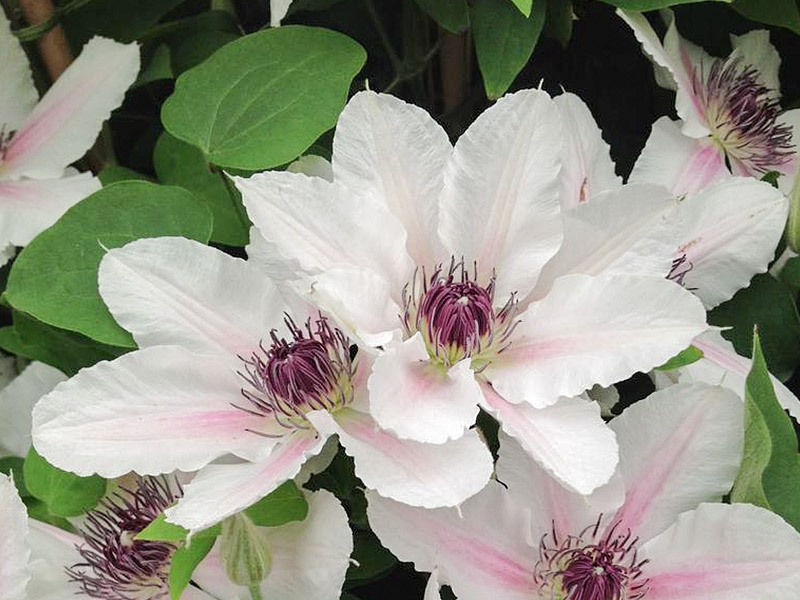
Clematis 'The Countess of Wessex' is a climbing plant with beautiful, showy flowers that is popularly cultivated in gardens. The growth characteristics, propagation methods, cultivation methods, and related information for this variety are as follows: Growth Characteristics: Clematis 'The Countess of Wessex' blooms with showy flowers from spring through summer. This plant generally grows to a height of 2 to 3 meters and pairs well with hedges, arches, and trellises. It thrives in partial shade but can also flourish in locations with ample sunlight. Propagation Methods: This variety can primarily be propagated by cuttings and root division. For cuttings, select healthy stems in spring or early summer, while root division is best performed in the autumn. Cultivation Methods: It grows well in well-drained soil, and neutral to slightly acidic soil acidity is suitable. When planting, it is recommended to cover the area around the roots with a covering material to keep them cool. Water regularly, but avoid overwatering, and provide appropriate fertilizer during the growing season. Garden Use: Clematis 'The Countess of Wessex' is suitable for adding vertical elements to the garden, and planting it mixed with other vines can create an attractive landscape. Important Pests and Control Methods: Clematis can be susceptible primarily to leaf blight and powdery mildew. For leaf blight, immediately remove infected leaves and control it using fungicides. Powdery mildew is characterized by the appearance of fine white powder on the leaves and requires proper ventilation and watering. Additionally, removing weeds from the growing area can help prevent pests and diseases. With regular attention and care, you can maintain a healthy plant condition.
Plant Family
Ranunculaceae
Height
90~120cm
Spread
30~60cm
Colors
white
Bloom Period
May to July
Water Needs
commonly
Exposure
semi-shaded area
Freezing Resistance
-30°C
Clematis 'Venosa Violasia'
Clematis viticella
'Venosa Violacea'
Clematis 'Sweet Summer Love'
Clematis flammula
'Sweet Summer Love'