English
한국어
English
Español
中文
हिंदी
Home
News
Community
Dictionary
English
한국어
English
Español
中文
हिंदी
View list
Mountain layer
Clinopodium micranthum
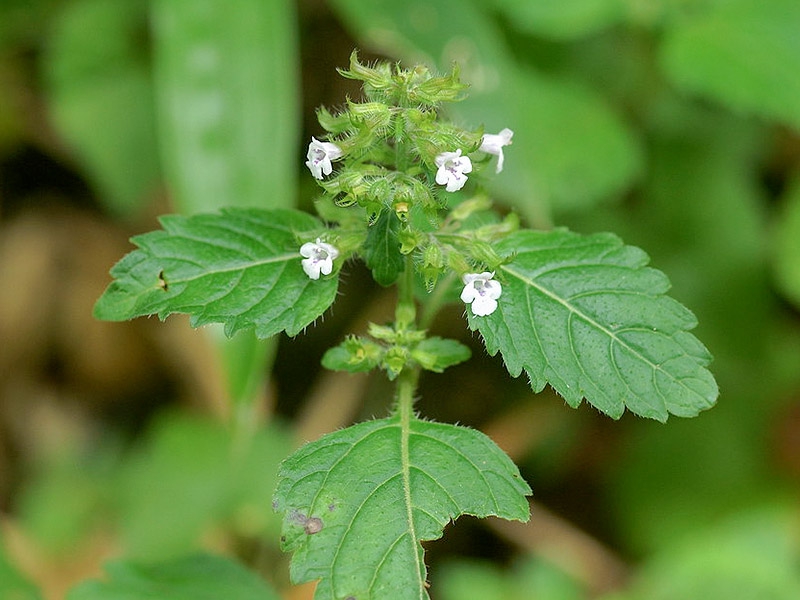
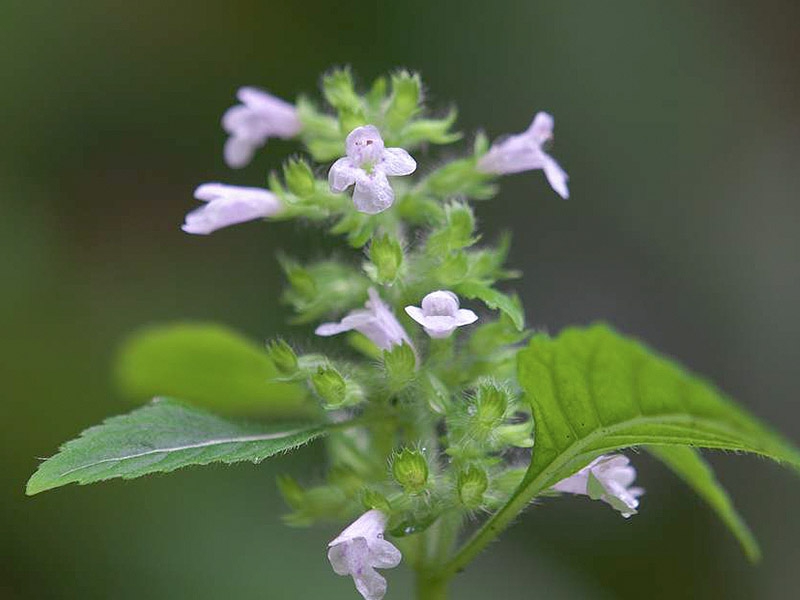
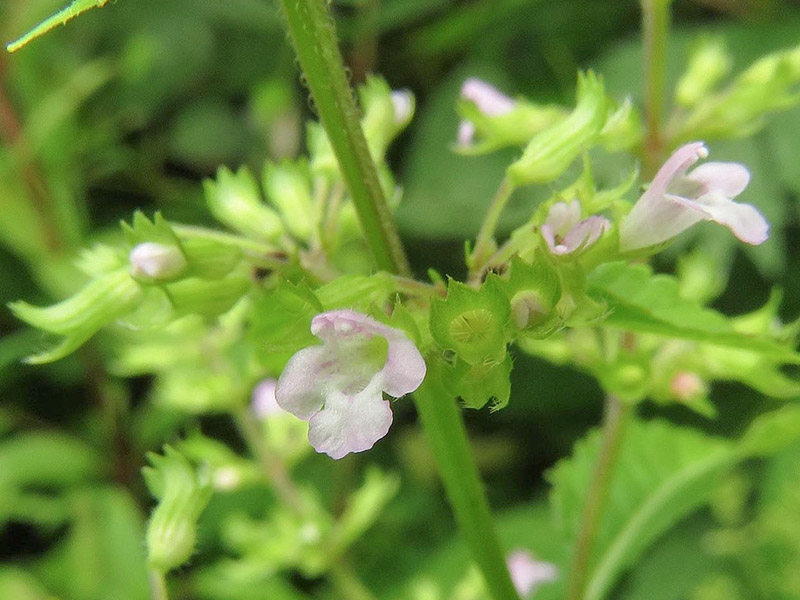
Clinopodium micranthum is a perennial herbaceous plant belonging to the Lamiaceae family. The following describes the plant's growth characteristics, propagation methods, cultivation methods, garden uses, major pests and diseases, and control methods. Growth Characteristics - Environment: Clinopodium micranthum prefers sunny locations and moderately moist soil. It favors well-drained soil and grows well in partial shade. - Size: It typically grows to about 30 cm in height and exhibits a form where multiple stems grow together. - Leaves and Flowers: The leaves are small, oval-shaped, and have fine wrinkles. The flowers are usually light pink or purple. It blooms from summer to autumn. Propagation Methods - Seed Propagation: It can be propagated by seeds, and it is best to plant them in spring or autumn. Seeds can be sown directly or germinated indoors and then transplanted. - Cuttings: Cuttings, where a stem is cut and planted in the ground, are an easy method. This method is mainly attempted in the spring. Cultivation Methods - Planting: It is important to plant in well-drained soil. Use organic fertilizer to improve soil fertility. - Watering: Be careful not to submerge the roots, but water regularly to prevent the soil from drying out. - Fertilizer: Apply fertilizer during the spring and summer, and avoid excessive use. Uses in the Garden - Dumecheongcheong is suitable as a ground cover plant and is excellent for planting around curb stones or walls. Additionally, due to its beautiful flower colors, it can be used as an accent plant in flowerbeds. Important Pests and Diseases & Control Methods - Diseases: Caution is needed regarding root rot caused by excessive moisture. To prevent this, cultivate in well-drained soil and avoid overwatering. - Pests: Generally, damage from pests is minimal, but leaf-eating insects may occasionally occur. In this case, you can deal with them using eco-friendly pesticides or by removing them directly. As such, Dumecheongcheong is a relatively easy-to-manage plant that can be easily grown in the garden. Based on this information, you will be able to effectively cultivate and utilize Dumecheungcheungi.
Plant Family
Lamiaceae
Height
20~80cm
Colors
Pink, white
Bloom Period
June to August
Water Needs
commonly
Exposure
semi-shaded area
Freezing Resistance
-10°C
Japanese spindle tree
Cleyera japonica
mountain layers
Clinopodium multicaule
var.
shibetchense