English
한국어
English
Español
中文
हिंदी
Home
News
Community
Dictionary
English
한국어
English
Español
中文
हिंदी
View list
layered flower
Clinopodium chinense
var.
parviflorum
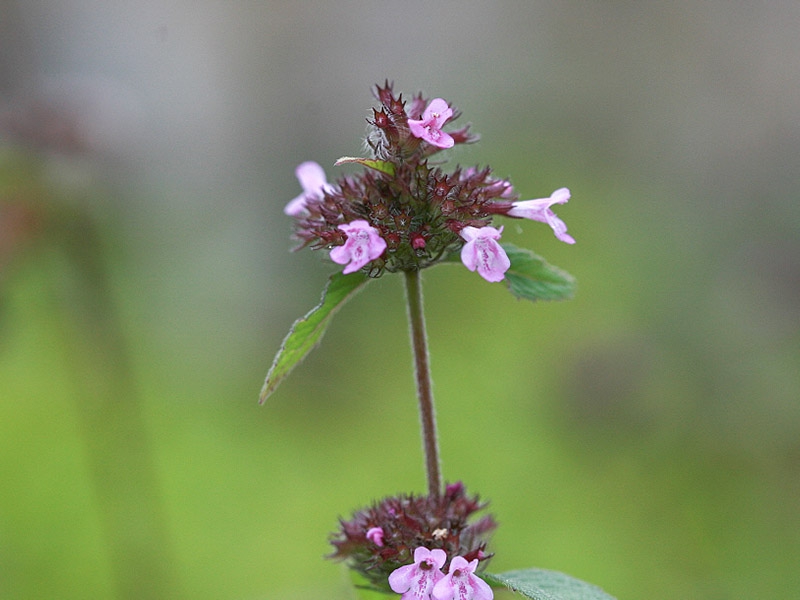
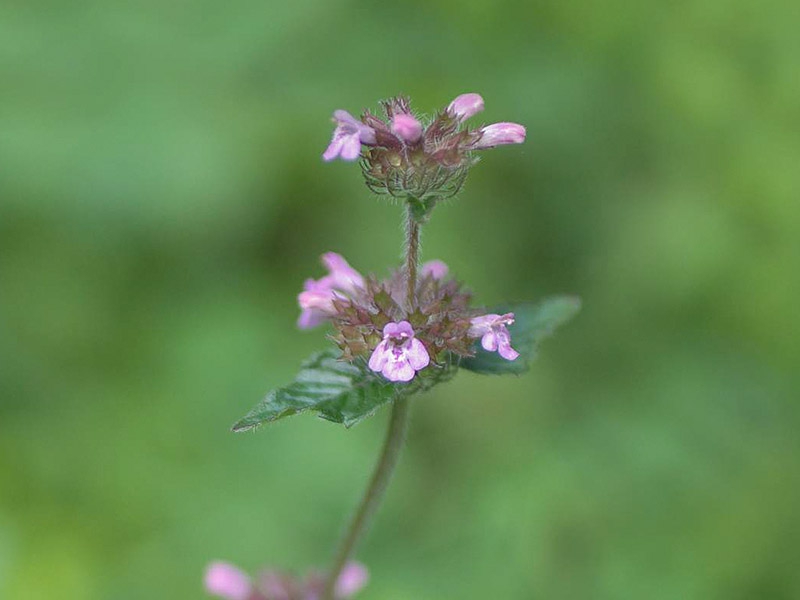
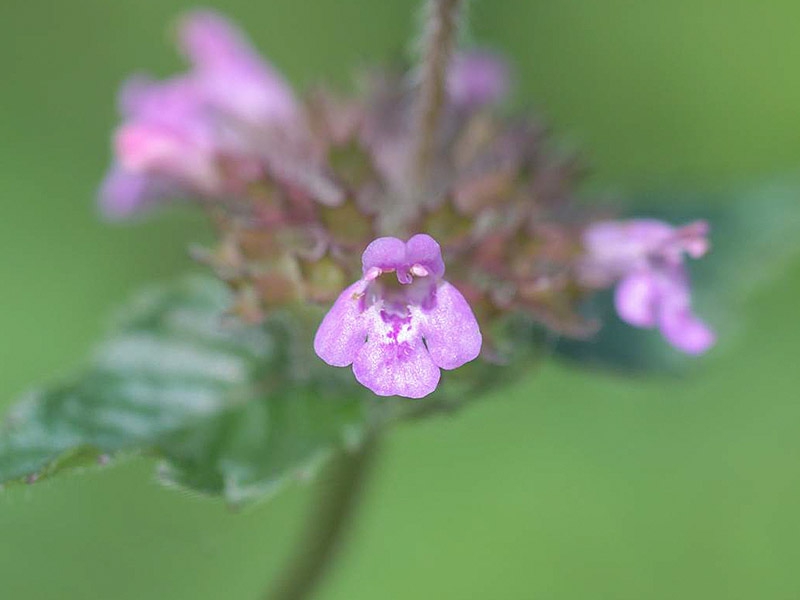
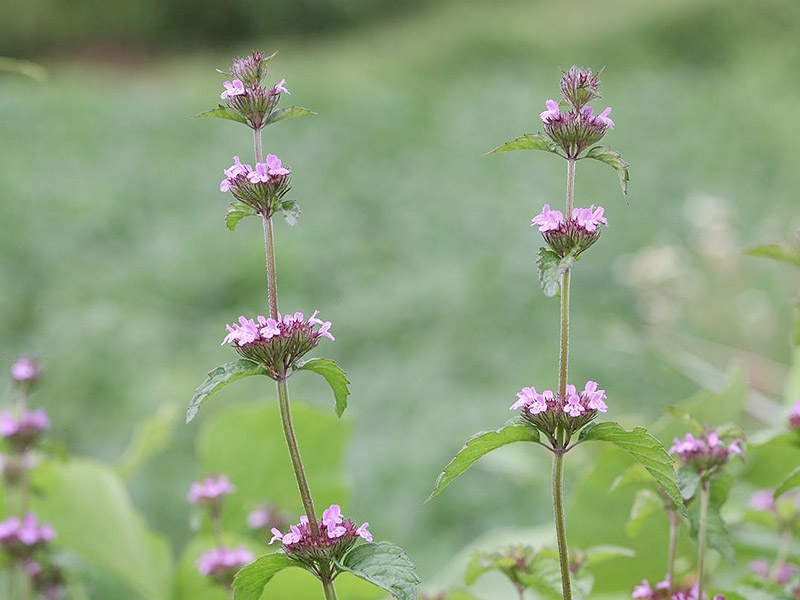
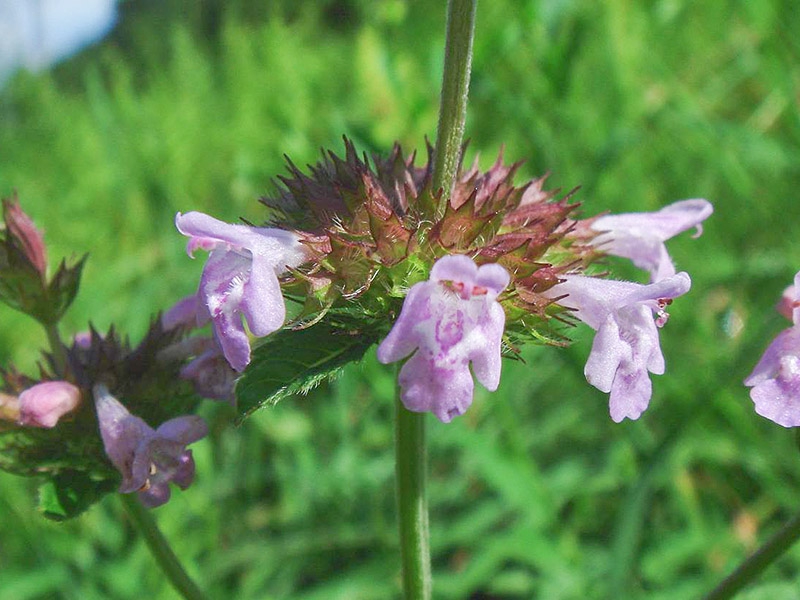
Growth Characteristics, Propagation Methods, Cultivation Methods, Garden Uses, Pests and Diseases, and Control Methods of Chinense chinense var. parviflorum - Growth Characteristics - Chinense chinense var. parviflorum is primarily a perennial herbaceous plant that grows to a height of approximately 30–60 cm. - It prefers sunlight and thrives in well-drained soil. It can also grow in partial shade. - It blooms with small white or pink flowers from summer to autumn and has high ornamental value. - Propagation Methods - It can be propagated via seeds or cuttings. - For seed propagation, sowing seeds in spring or autumn and maintaining a consistent temperature and humidity results in a high germination rate. - Cuttings are mainly performed in spring; healthy stems are cut and planted in water or soil, then managed until roots develop. - Cultivation Methods - It requires well-drained soil and sufficient sunlight. - Maintain appropriate humidity through regular watering, but avoid overwatering. - Applying appropriate fertilizer in spring and autumn can promote growth. - Use in the Garden - Its small size and beautiful flowers make it suitable for planting along garden edges, rock gardens, and flower beds. - It can be planted alongside other herbaceous plants to create a natural-looking garden. - Major Pests and Diseases and Control Methods - Major pests include gray mold, powdery mildew, and aphids. - It is important to ensure good ventilation and prevent moisture buildup. - If disease occurs, remove the affected parts; using organic insecticides is also effective. - Regularly observe the leaves to control issues at an early stage.
Plant Family
Lamiaceae
Height
15~60cm
Colors
pink
Bloom Period
July~August
Water Needs
commonly
Exposure
Sunny
Freezing Resistance
-10°C
mountain layers
Clinopodium multicaule
var.
shibetchense
Dumetop Pool
Clinopodium sachalinense