English
한국어
English
Español
中文
हिंदी
Home
News
Community
Dictionary
English
한국어
English
Español
中文
हिंदी
View list
Sea grapes
Coccoloba uvifera
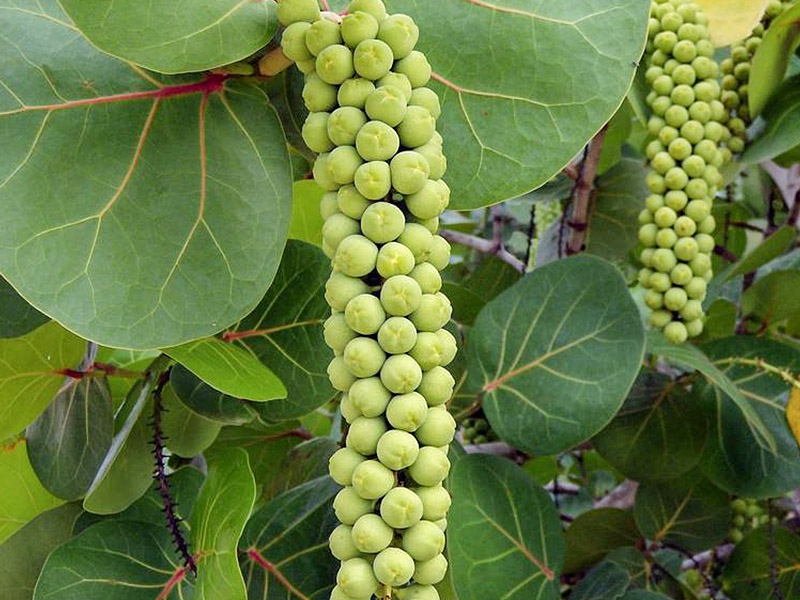
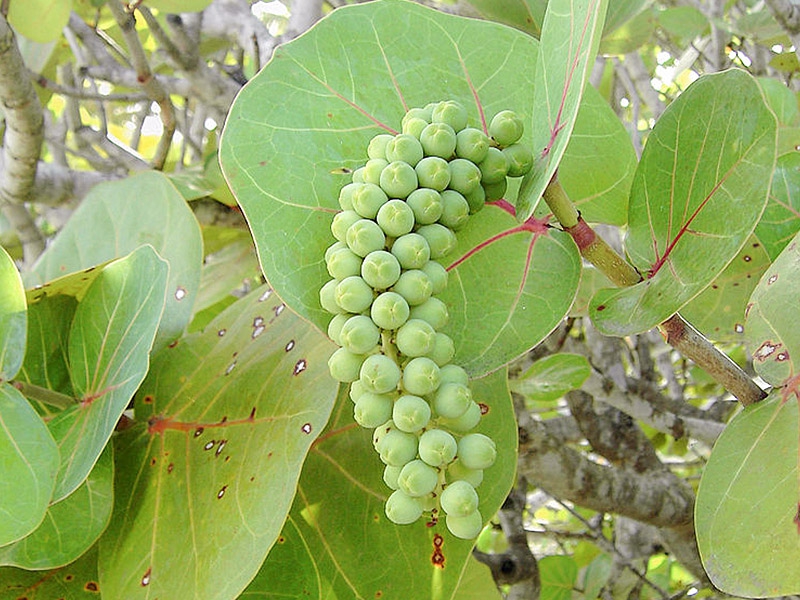
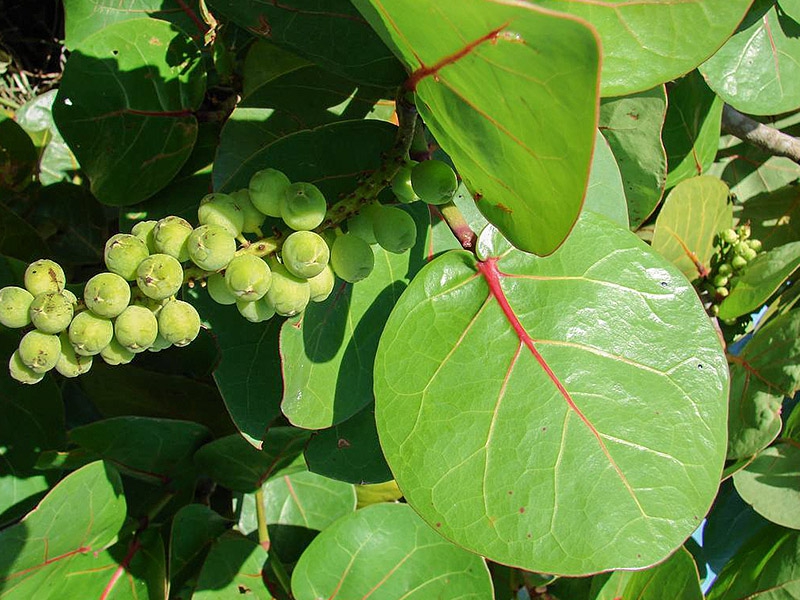
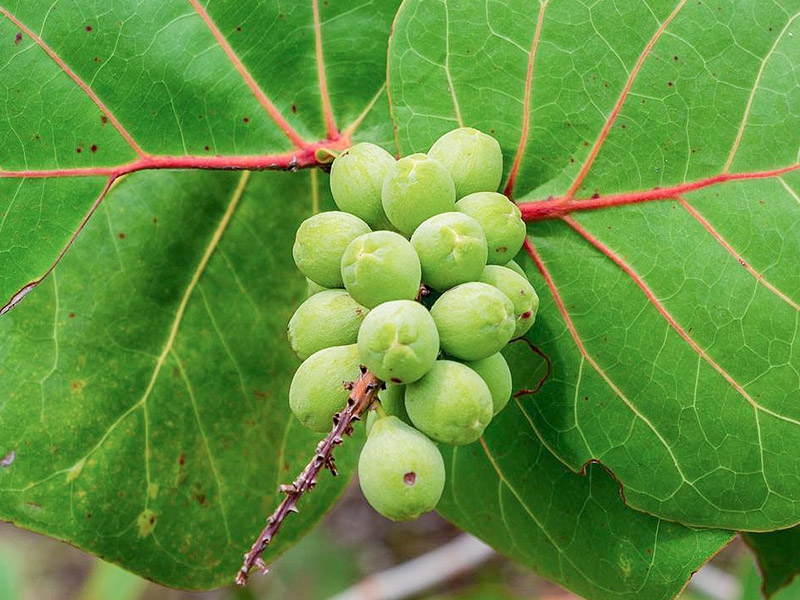
Sea grape (Coccoloba uvifera) is a plant that grows primarily in tropical and subtropical coastal regions. Its characteristics, propagation methods, cultivation methods, garden uses, and pest and disease control methods are as follows: Growth Characteristics - Environment: It thrives in sandy coastal soils and saline environments. It has excellent salt and drought tolerance and prefers warm climates. - Humidity: While it grows well in hot and humid environments, it can also tolerate dry conditions. - Height: It generally grows to a height of 2 to 10 meters and is characterized by large, round leaves. Propagation Methods - Seeds: Seeds are collected from mature fruits and planted. The germination rate is usually moderate. - Cuttings: Stems or branches can be cut and placed in water to encourage root growth, after which they can be transplanted. Cultivation Methods - Soil: It prefers well-drained sandy soil. If the soil is too fertile, growth may actually be inhibited. 2. Watering: Regular watering is necessary in the early stages, but it grows well with minimal water after maturity. - Fertilization: Use fertilizer sparingly, primarily organic fertilizer applied 1 to 2 times a year. Uses in the Garden - Ornamental: Suitable as a windbreak or ornamental tree in seaside or sea-blown gardens. - Shade Provider: Its large leaves provide excellent shade, allowing it to be used as a resting space. Important Pests and Control Methods - Diseases: Generally resistant to pests and diseases, but browning or leaf drop may be caused by overwatering. - Pests: Leaves can be damaged by moths, silverfish, and other insects. - Control Methods: The use of eco-friendly pesticides is recommended, and damage can be prevented by removing damaged leaves or branches in advance. It is advisable to seek expert advice if pest infestations are severe. By considering these factors when cultivating sea grapes, they can be utilized as a landscaping plant particularly suitable for coastal environments.
Plant Family
Knotweed family
Height
2~15m
Colors
white
Bloom Period
July~August
Water Needs
commonly
Exposure
Sunny
Freezing Resistance
-2°C
Bee box
Cnidium monnieri
dogwood vine
Cocculus orbiculatus