English
한국어
English
Español
中文
हिंदी
Home
News
Community
Dictionary
English
한국어
English
Español
中文
हिंदी
View list
Baby wild ginseng
Codonopsis minima
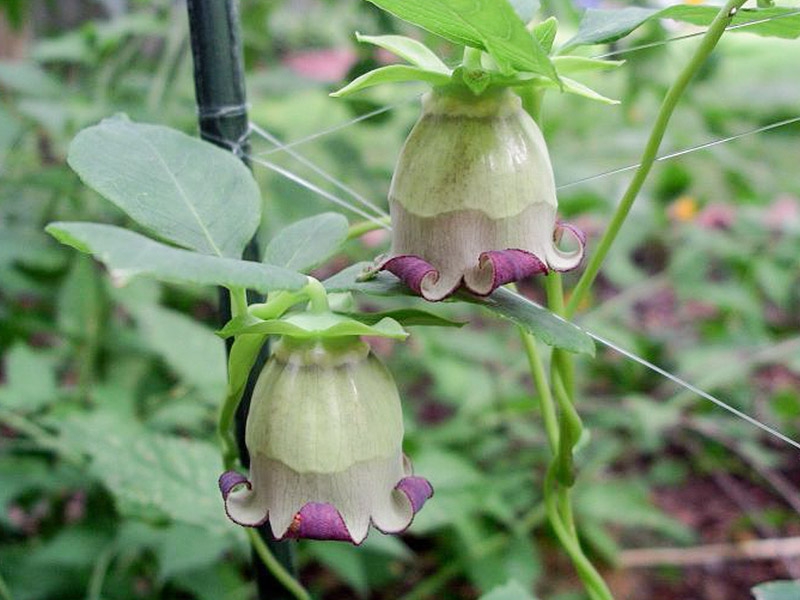
Codonopsis minima is a perennial herbaceous plant that grows primarily in Asia. The following outlines the growth characteristics, propagation methods, cultivation methods, garden uses, major pests, and control methods for Codonopsis minima. Growth Characteristics - Environment: It thrives in shade and prefers well-drained soil with moderate humidity. - Growth: The leaves are small and thin, and the stems grow long and slender. - Flowering Season: It usually blooms in the summer and features flowers of delicate colors. Propagation Methods - Seed Propagation: It can be propagated by seeds, and it is recommended to sow them in early spring. - Root Division: Propagation by dividing the roots of healthy plants is also an effective method. Cultivation Methods - Soil Preparation: It grows well in soil rich in organic matter and with good drainage. - Watering: Avoid overwatering and maintain appropriate humidity. - Fertilizer: Apply appropriate fertilizer in the spring to promote growth. Uses in the Garden - Landscape DesignDue to its small size and beautiful flowers, it is suitable for planting along garden edges or in shady areas to enhance the landscape. - HarmonyIt can be planted alongside other perennials to increase plant diversity. Major Pests and Control Methods - DiseasesFungal diseases such as leaf blight may occur. It is recommended to detect them early through periodic plant inspections and use appropriate fungicides if necessary. - PestsAphids may appear. Control them by utilizing natural enemies or applying appropriate insecticides. Although Aegidong Minima is relatively easy to care for, maintaining proper environmental conditions is crucial for healthy growth.
Plant Family
Campanulaceae
Height
30~100cm
Colors
brown, green, purple
Bloom Period
August~September
Water Needs
commonly
Exposure
semi-shaded area
Freezing Resistance
-10°C
Deodeok
Codonopsis lanceolata
Pandurata Pandurata
Coelogyne pandurata