English
한국어
English
Español
中文
हिंदी
Home
News
Community
Dictionary
English
한국어
English
Español
中文
हिंदी
View list
Small clamweed
Coelachne japonica
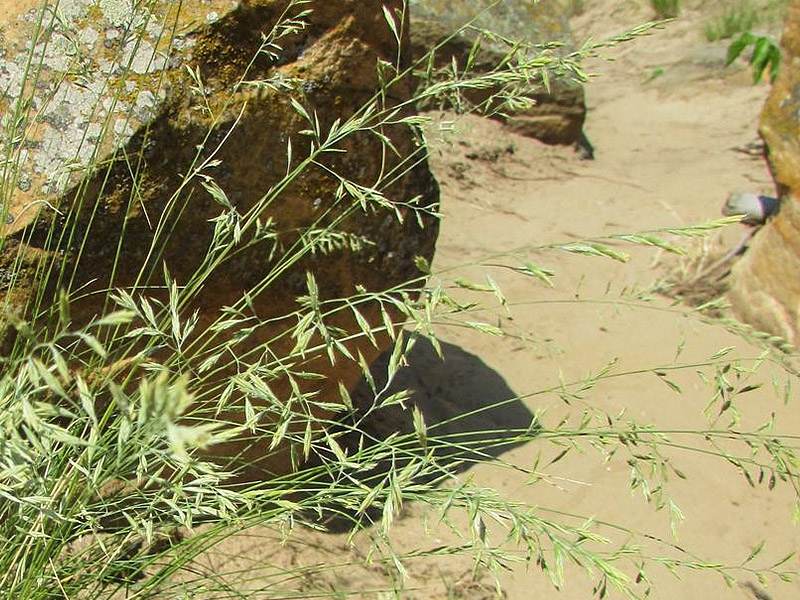
Coelachne japonica is a plant belonging to the Gramineae family and is characterized by its natural habitat, primarily growing in wetlands or near water. The following is information regarding this plant's growth characteristics, propagation methods, cultivation methods, garden uses, major pests and diseases, and control methods. Growth Characteristics - Habitat: It thrives in humid environments and prefers watersides or moist soil. - Growth Characteristics: As a perennial herbaceous plant, it tends to spread widely via rhizomes. - Height: It typically grows to 10 to 30 cm and maintains a small grass-like form. Propagation Methods - Seeds: In its natural state, it reproduces by seeds from flowers. - Division: Propagation via rhizomes is possible, and division can accelerate the rate of reproduction. Cultivation Methods - Soil: Well-drained soil that retains moisture is suitable. - Watering: Water frequently to prevent the soil from drying out. - Sunlight: It thrives in a variety of environments ranging from partial shade to full sun, but direct sunlight should be avoided. Uses in the Garden - Landscaping: It is used for wetland landscaping or as ground cover along waterways. - Decorative Element: Its small, elegant grass form adds a natural touch to the garden. Major Pests and Control Methods - Diseases: Fungal diseases can occur in humid conditions, so proper ventilation is necessary. - Pests: Aphids or other small pests may occur; if necessary, soapy water spraying or eco-friendly insecticides can be used. - Prevention: It is important to periodically adjust the spacing between plants to improve ventilation and to promptly remove any pests or diseases that may appear. Based on this information, if you provide proper care and an environment, Yaponica japonica can grow healthily.
Plant Family
Poaceae
Height
5~20cm
Colors
white, brown
Bloom Period
September to October
Water Needs
commonly
Exposure
semi-shaded area
Freezing Resistance
-5°C
Fimbriata Fimbriata
Coelogyne fimbriata
Controversy
Dactylorhiza viride