English
한국어
English
Español
中文
हिंदी
Home
News
Community
Dictionary
English
한국어
English
Español
中文
हिंदी
View list
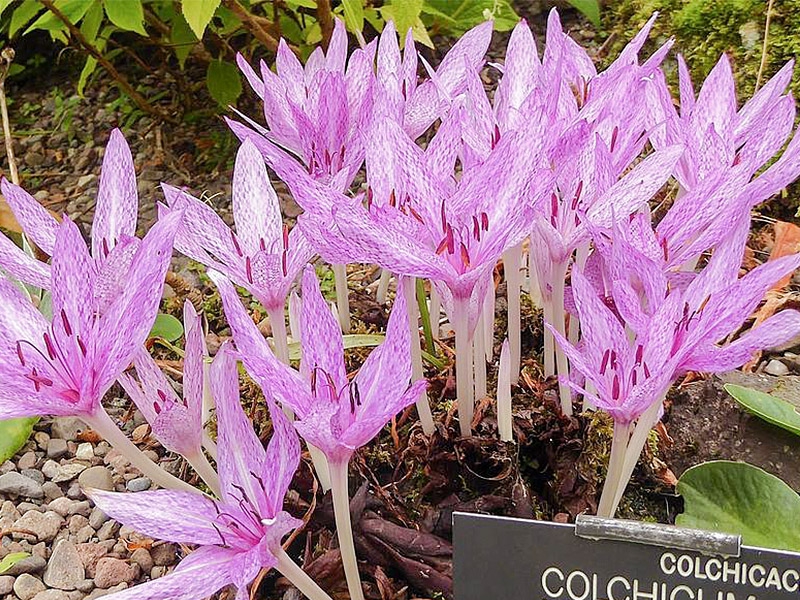
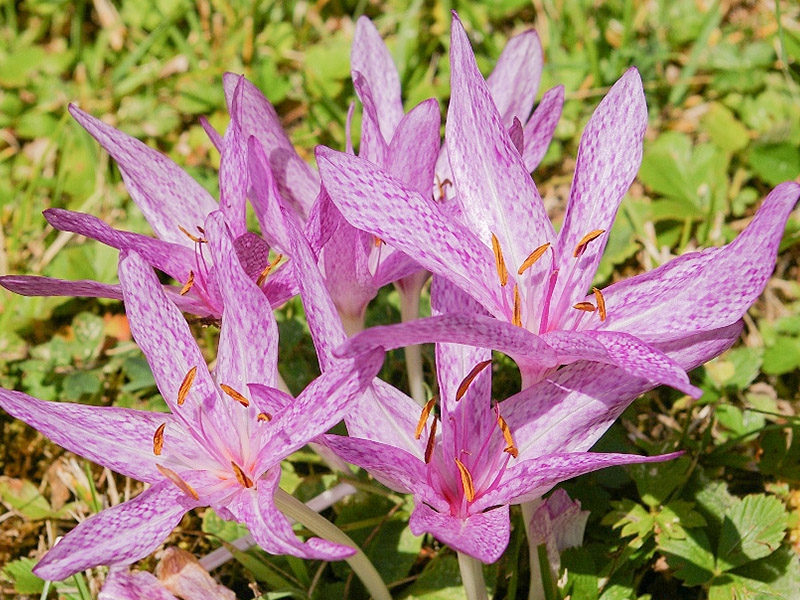
Colchicum agrippinum
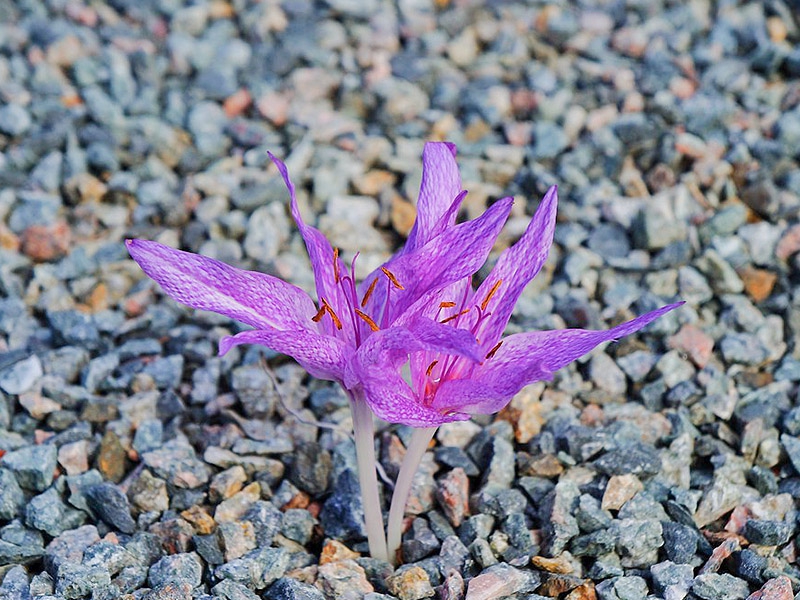
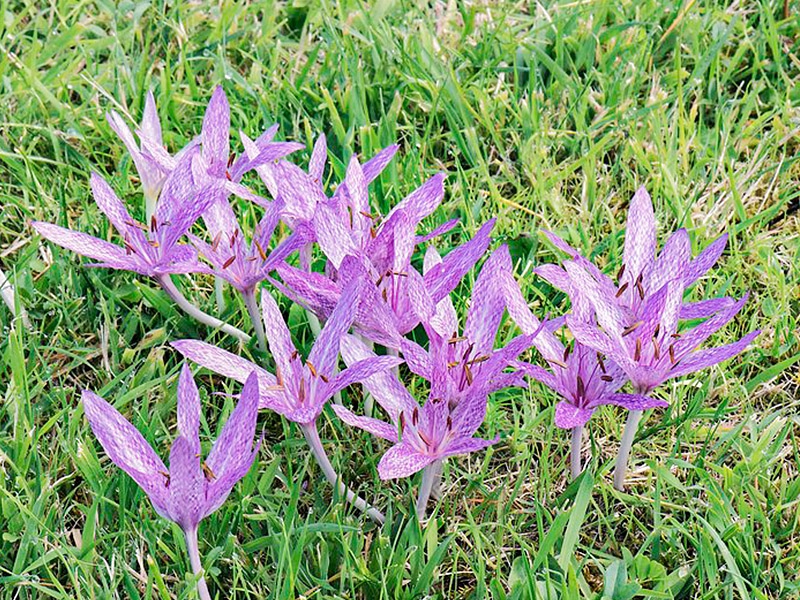
Colchicum agrippinum is a bulbous plant that blooms in the autumn and is a popular garden plant due to its showy flowers and unique leaf shapes. The following is information regarding the growth characteristics, propagation methods, cultivation methods, garden uses, major pests, and control methods of Colchicum agrippinum. Growth Characteristics - Growing Environment: Colchicum agrippinum thrives in well-drained soil and shows optimal growth in locations with ample sunlight. It can also grow to some extent in partial shade. - Flowering Period: It primarily blooms in the autumn, and flowers can usually be observed from September to October. - Winter Preparation: During the winter, the bulbs enter a dormant period, and most of the above-ground parts disappear. Propagation Methods - Division: The most common method of propagation is division. In the autumn, dig up the bulbs, divide them into several pieces, and replant the separated bulbs immediately. - Seeds: Although it can be propagated by seeds, germination and growth are quite slow. It is best to collect seeds from mature fruits and plant them immediately in the autumn. Cultivation Method - Planting: Bulbs should be planted in well-drained soil, avoiding hot and humid environments. The planting depth is typically about twice the height of the bulb. - Watering: Water the bulbs very little during the dormant period, and ensure the soil does not become too dry during the growing season. - Fertilizer: It is recommended to apply fertilizer in the autumn before flowering and in the spring during the early growing season. Uses in the Garden - This plant is primarily used in flowerbeds, rock gardens, or as a localized accent. It also serves as a focal point in the garden by providing vibrant colors in the autumn when other plants are not blooming. Important Pests and Control Methods - Diseases: Colchicum agrippinum is generally resistant to disease, but root rot can occur if the soil is overwatered. This can be prevented by managing drainage well and controlling watering. - Pests: Damage is mainly caused by giant snails or snails. To prevent this, manage the plants using physical removal methods or appropriate insecticides. Based on this information, we hope you grow your Colchicum agrippinum well and enjoy its healthy and beautiful flowers.
Plant Family
Colchicum and
Height
10~15cm
Spread
7~10cm
Colors
pink
Bloom Period
September to November
Water Needs
commonly
Exposure
Sunny
Freezing Resistance
-15°C
Colchicum 'Nancy Lindsay'
Colchicum autumnale
'Nancy Lindsay'
Colchicum 'Water Lily'
Colchicum autumnale
'Waterlily'