English
한국어
English
Español
中文
हिंदी
Home
News
Community
Dictionary
English
한국어
English
Español
中文
हिंदी
View list
Desert Lavender Emory
Condea emoryi
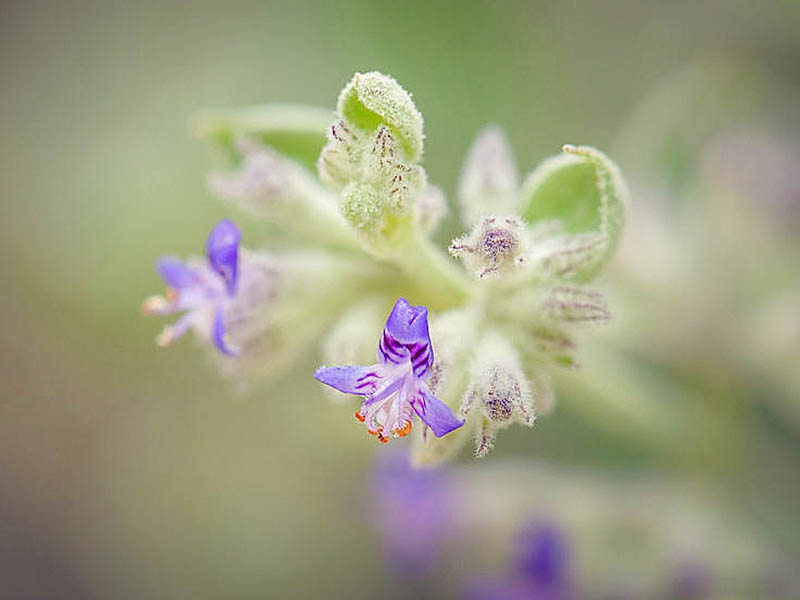
Growth Characteristics of Desert Lavender (Condea emoryi) Desert Lavender (Condea emoryi) is a shrub that thrives primarily in dry climates and is characterized by its feathery silver-gray leaves and bluish-purple flowers. This plant grows most actively during spring and autumn and tolerates extreme dryness and high temperatures well. Propagation Methods This plant can be propagated mainly by seeds or cuttings. Seeds are sown in early spring, while cuttings are taken from branches cut in spring or early summer. Seed germination may take some time, and it takes about four weeks for cuttings to root. Cultivation Methods Desert Lavender (Condea emoryi) is best grown in a location that receives plenty of sunlight. It prefers well-draining soil, and it is important to avoid excessive moisture. When growing in a pot, choose one with drainage holes at the bottom. Water should be given infrequently, especially until the plant is newly established, but excessive moisture should be avoided. Garden Use This plant is excellent for use as ground cover or as a border plant in dry gardens. Its silver-gray leaves and bluish-purple flowers provide visual contrast to the garden and are also attractive to bees and butterflies. Important Pests and Control Methods Desert Lavender Emory is a relatively pest-tolerant plant, but aphids or fungi may occur in environments with severe drought or poor ventilation. If aphids appear, washing them off with soapy water or using garden insecticides can be effective. In the case of fungi, it is recommended to improve ventilation and use fungicides if necessary.
Plant Family
Lamiaceae
Height
1.8~3m
Spread
1.8~3m
Colors
purple
Bloom Period
February to May
Water Needs
commonly
Exposure
Sunny
Freezing Resistance
-10°C
Comptonia Peregrina
Comptonia peregrina
Conicosia elongata
Conicosia elongata