English
한국어
English
Español
中文
हिंदी
Home
News
Community
Dictionary
English
한국어
English
Español
中文
हिंदी
View list
Sancheongung Palace
Conioselinum kamtschaticum
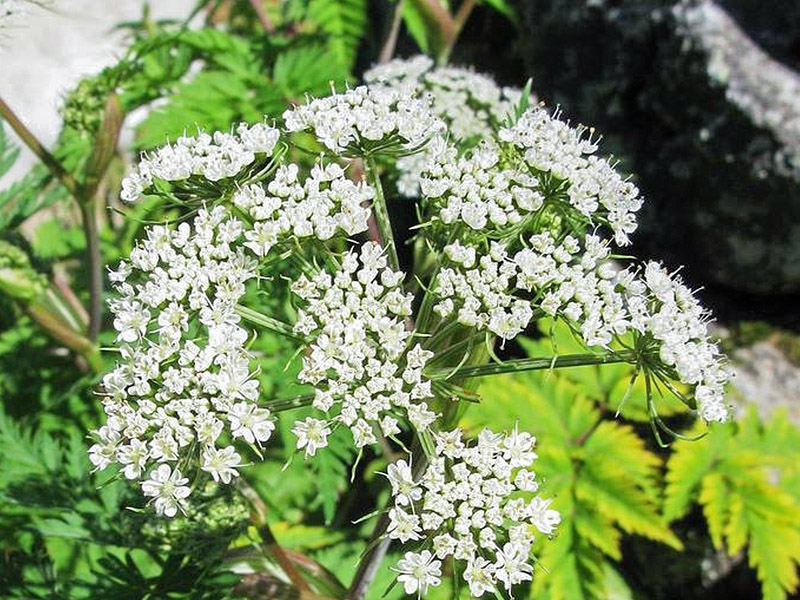
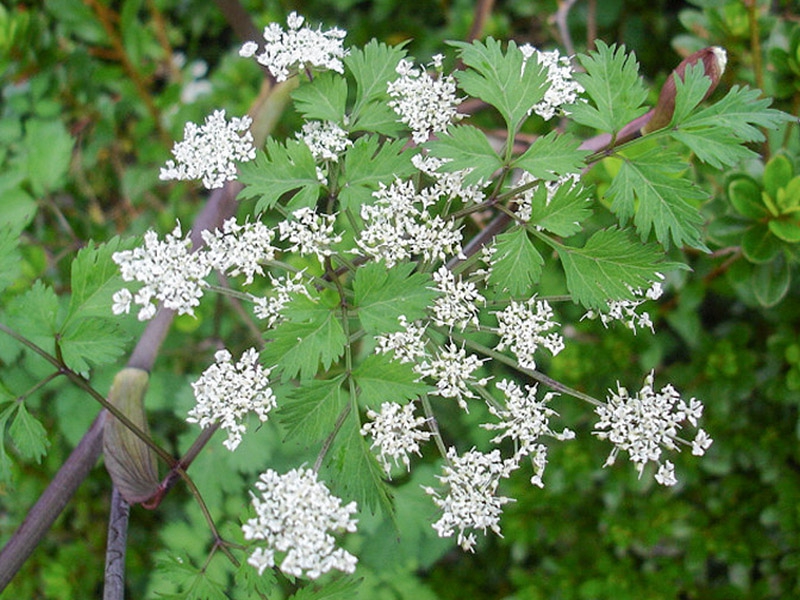
Conioselinum kamtschaticum is a perennial herbaceous plant native to Northeast Asia, including Korea. Let us examine its growth characteristics, cultivation methods, and propagation methods. - Growth Characteristics: Conioselinum kamtschaticum thrives primarily in moist mountainous areas. It grows to a height of approximately 50 to 100 cm, and its flowers bloom in white during the summer. This plant is particularly suitable for shaded gardens due to its ability to grow relatively well even in shady conditions. - Propagation Methods: Conioselinum kamtschaticum is primarily propagated by seeds. Seeds can be harvested between summer and autumn and sown immediately, or they germinate well even when sown in the spring. Additionally, it can be propagated by root division. Division is performed in early spring or autumn, and the plant can be propagated by dividing and planting the roots. 3. Cultivation Method: Crassula ovata (Crassula ovata) thrives in well-drained soil and in partial shade or shade. It is best to avoid strong direct sunlight. Water should be provided consistently to prevent the soil from drying out, but care must be taken to avoid excessive dryness. Additionally, it is recommended to supplement nutrients using organic fertilizers. - Use in Gardens: Crassula ovata (Crassula ovata) can be used in shaded gardens or forest gardens. Since it grows well even in humid environments, it is ideal for planting in such locations. It can also be placed in gardens or along walking paths to create a natural atmosphere. - Major Pests and Diseases and Control Methods: Crassula ovata (Crassula ovata) is relatively resistant to pests and diseases, but mold or root rot can occur, particularly due to excessive moisture. Proper drainage and ventilation are important to prevent this. Furthermore, since it can be damaged by small insects such as aphids, control measures can be taken using soapy water or garden fungicides if necessary. Thanks to its preference for shade and moisture, the Camus scavitae can be utilized in various garden environments, and a beautiful garden can be created with relatively simple care.
Plant Family
Apiaceae
Height
50cm
Colors
white
Bloom Period
August
Water Needs
commonly
Exposure
semi-shaded area
Freezing Resistance
-40°C
dog's-eye fern
Coniogramme
×
fauriei
Dumecheongung
Conioselinum filicinum