English
한국어
English
Español
中文
हिंदी
Home
News
Community
Dictionary
English
한국어
English
Español
中文
हिंदी
View list
large daisy
Erigeron floribundus
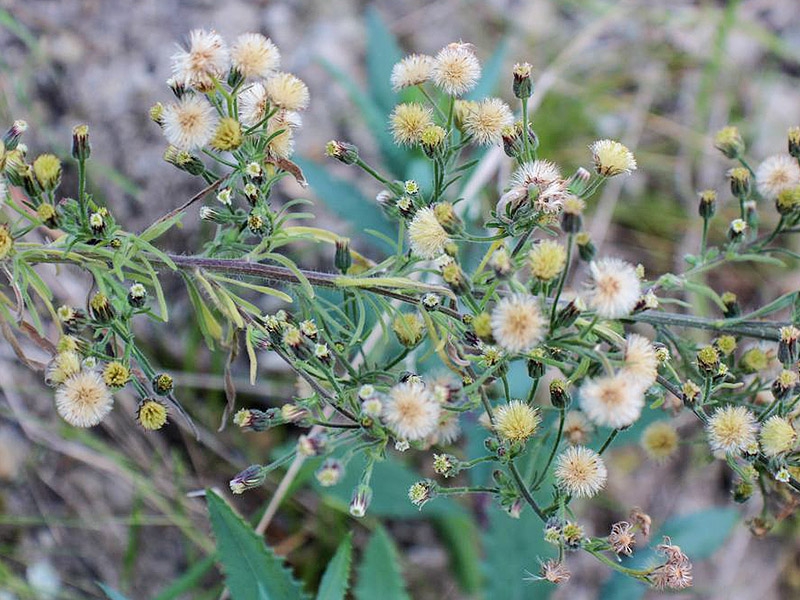
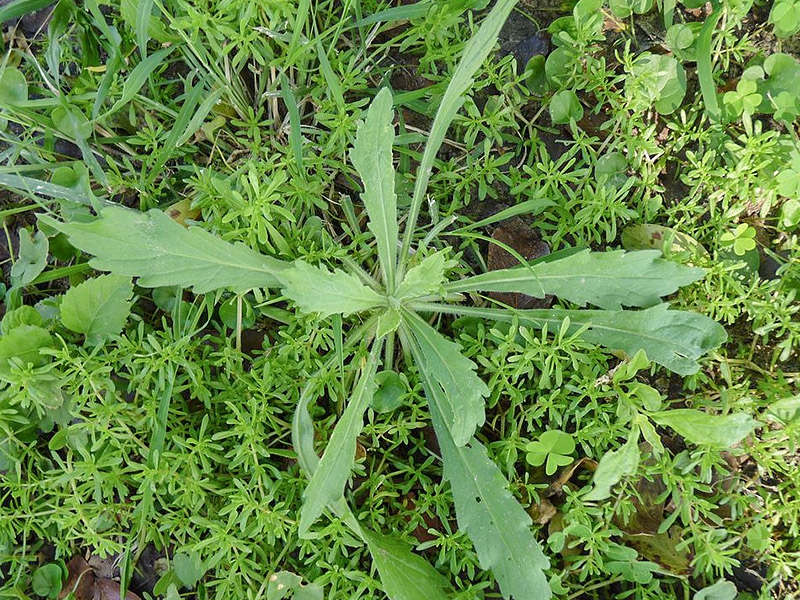
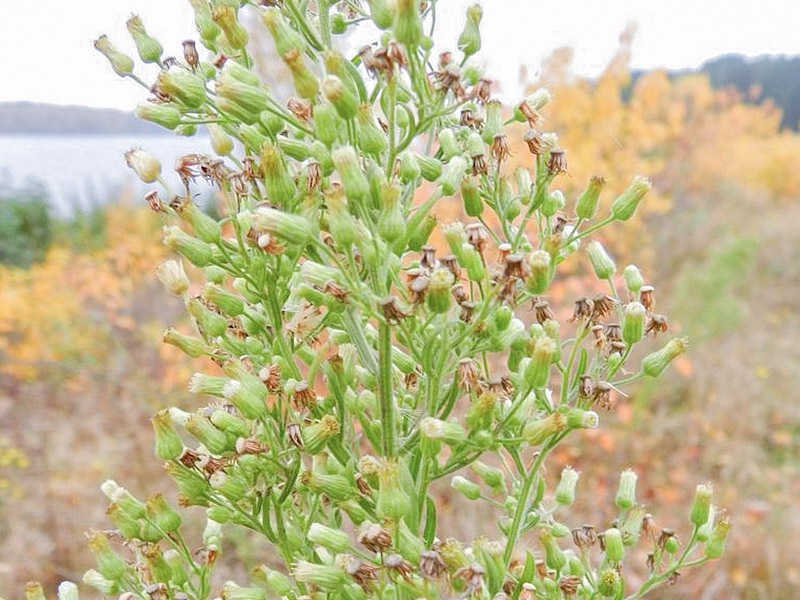
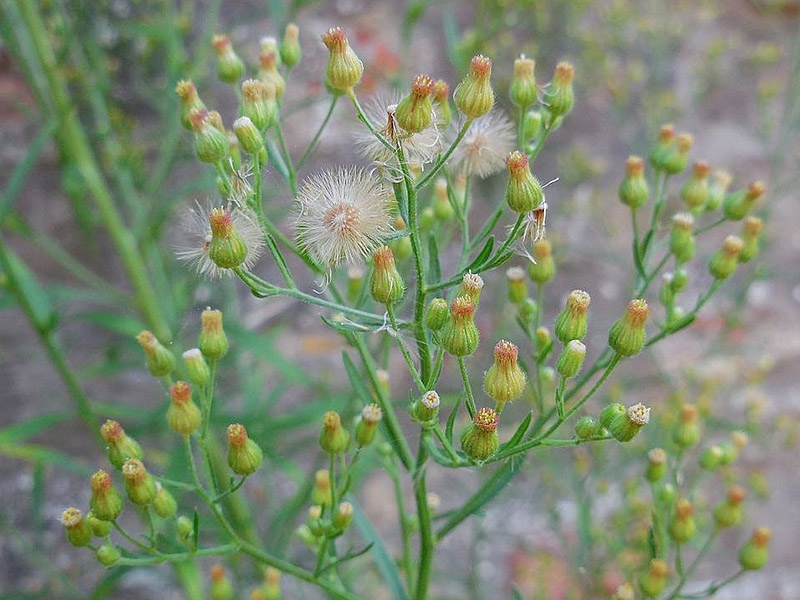
Erigeron floribundus is a perennial plant belonging to the Asteraceae family. It primarily grows outdoors and tends to thrive in locations where it receives ample sunlight. It is highly cold-hardy and can survive in various environments, making it relatively easy to cultivate. Growth Characteristics- Height: Grows to a height of approximately 30–90 cm. - Leaves: Has narrow, elongated leaves with smooth edges. - Flowers: Small white or pale pink flowers bloom in the summer; the flowers are about 1–2 cm in size. Propagation MethodsErigeron floribundus is propagated by seeds or division. - Seed Propagation: Sow seeds directly in spring or autumn, or grow seedlings indoors and transplant them. - Division: Propagation can be performed by dividing the root portion in early spring or autumn. Cultivation Methods- Soil: It is recommended to cultivate it in well-drained soil. - Watering: Be careful not to overwater and water appropriately. - Sunlight: Since it thrives in sunny locations, it is best to plant it in a well-lit spot. Uses in the GardenIt is excellent as a background plant for flowerbeds and can be utilized in wildflower gardens or for creating natural landscapes. It possesses a subtle charm without being flashy, making it ideal for harmonizing with other flowers. Important Pests and Diseases & Control MethodsAlthough it is relatively resistant to pests and diseases, the following issues may occur depending on the situation. - Aphids: They can damage the plant's leaves and stems. For control, you can use appropriate insecticides or attempt treatment using soapy water. - Diseases: Root rot may occur due to overwatering. To prevent this, pay attention to drainage, and if necessary, use organic fungicides. By managing the plant with these characteristics in mind, you can grow healthy Erigeron annuus.
Plant Family
Asteraceae
Height
80~180cm
Colors
white
Bloom Period
July to September
Water Needs
commonly
Exposure
Sunny
Freezing Resistance
-5°C
Western morning glory Altaioides
Convolvulus althaeoides
Baby's-eye
Erigeron pusillus