English
한국어
English
Español
中文
हिंदी
Home
News
Community
Dictionary
English
한국어
English
Español
中文
हिंदी
View list
Copia Poa Tenbisima
Copiapoa tenuissima
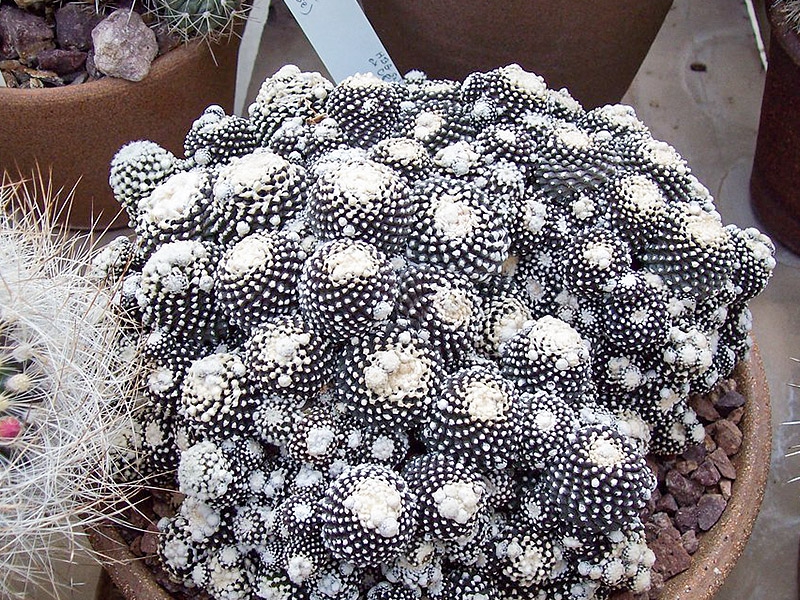
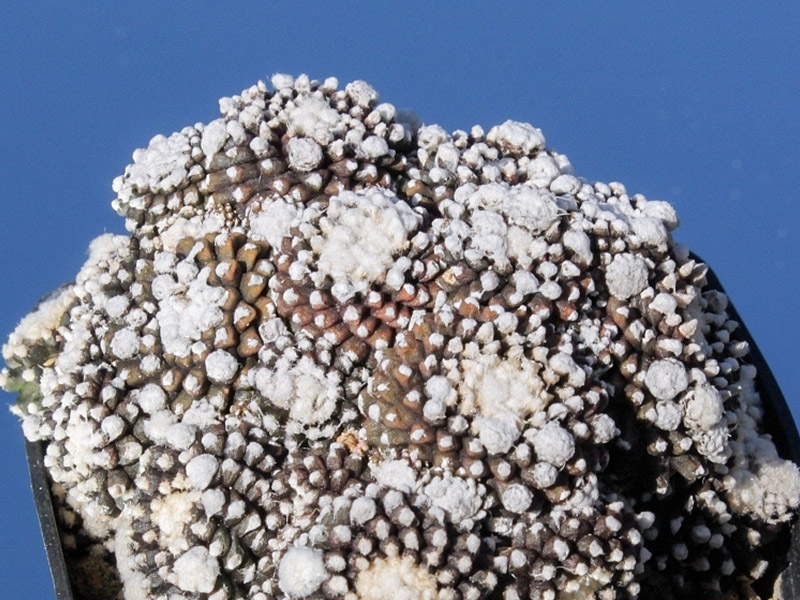
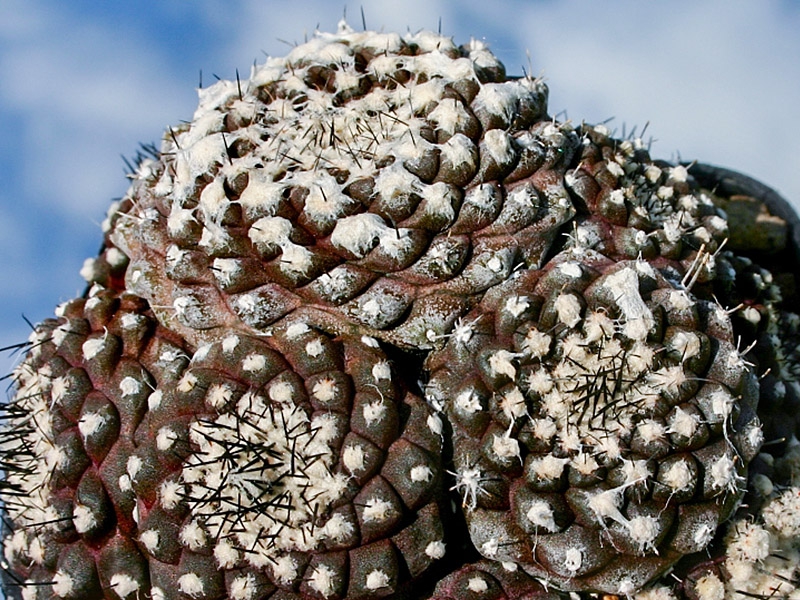
Growth Characteristics of Copiapoa tenuissima Copiapoa tenuissima is a succulent plant native primarily to the dry regions of northern Chile. It features round stems and gray and green foliage, resembling a cactus in appearance. It typically blooms with yellow flowers during the summer. This plant adapts well to very hot and dry climates and requires plenty of sunlight. Propagation Methods Copiapoa tenuissima is primarily propagated by seeds. Seed propagation takes place in a sunny location, and germination is best in well-drained soil. Additionally, propagation can be achieved by separating offsets or stem cuttings from mature plants. Cultivation Methods - Sunlight: Since Copiapoa tenuissima requires strong sunlight, it is best to place it near a sunny south-facing window or outdoors. - Watering: During the summer, water only after confirming that the soil is completely dry, and reduce watering frequency during the winter. - Soil: Well-drained, sandy soil is suitable. - Temperature: It does not thrive in extremely cold temperatures, so care must be taken to ensure that winter temperatures do not drop below 10°C. Uses in the Garden Copiapoa tenbisima is excellent for rock gardens or cactus gardens. It harmonizes well with other succulents and cacti in landscaping and is highly valued in gardens in dry regions. Important Pests and Control Methods Copiapoa tenbisima is generally resistant to pests, but it can develop root rot due to excessive moisture. To prevent this, care must be taken to avoid overwatering. Additionally, if small insects appear on the plant, soapy water or a pesticide can be used to eliminate them. Regular observation allows for quick response if early signs of pests are detected.
Plant Family
Cactus and
Height
7~15cm
Colors
yellow
Bloom Period
April to August
Water Needs
Bad
Exposure
Sunny
Freezing Resistance
-5°C
palm tree part-time job
Copernicia alba
Kopiapoa Humilis
Copiapoa humilis