English
한국어
English
Español
中文
हिंदी
Home
News
Community
Dictionary
English
한국어
English
Español
中文
हिंदी
View list
Coptis chinensis
Coptis chinensis
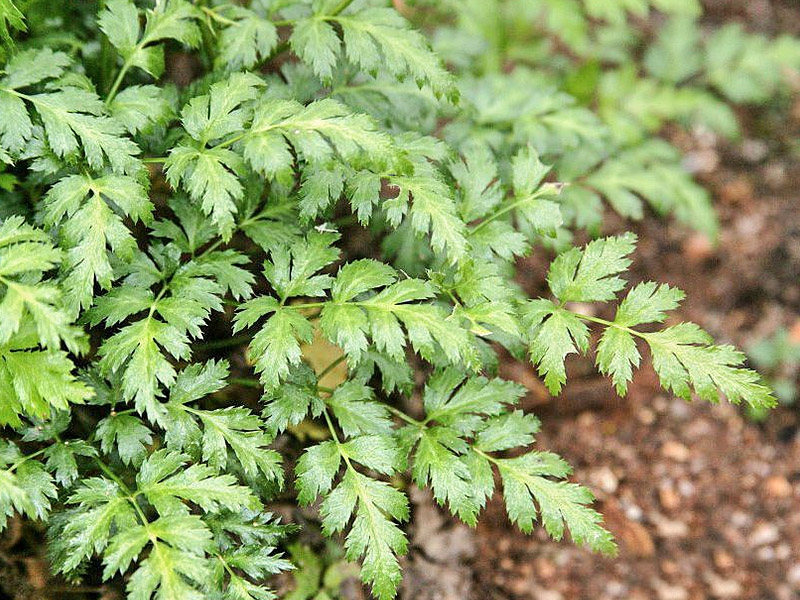
Coptis chinensis is a perennial herbaceous plant belonging to the Ranunculaceae family and is widely used for medicinal purposes. The following describes the growth characteristics, propagation methods, cultivation methods, garden uses, and major pests and diseases and control methods of Coptis chinensis. Growth Characteristics - Ecological Characteristics: Coptis chinensis thrives in partial shade and prefers a cool climate. It grows well in moist soil and prefers well-drained soil. - Size: It grows to approximately 30–50 cm in height. - Growth Cycle: It tends to grow actively mainly in spring and autumn. Propagation Methods - Seed Propagation: Sow seeds in spring or autumn. After sowing, cover them with a shallow layer of soil. - Division Propagation: It can be propagated by dividing the roots; spring or autumn is the optimal time. Cultivation Methods - Soil Preparation: Prepare well-drained soil mixed with sufficient high-quality compost and organic matter. 2. Planting Location: It is recommended to plant in a semi-shaded area or under the shade of trees. - Watering: Since it likes water, water it consistently to prevent dryness, but avoid excessive moisture. - Fertilizing: Fertilize once in late spring and early summer. Uses in Gardens - Healing Gardens: Due to its high value as a medicinal plant, it is widely used in healing and herb gardens. - Ornamental: Its beautiful leaves and flowers make it suitable for ornamental purposes. Important Pests and Control Methods - Diseases: Although Coptis japonica is relatively resistant to disease, it can contract gray mold or soft rot. If disease occurs, remove the affected parts and ensure good ventilation. - Pests: Aphids or moth larvae may occur. For eco-friendly control, you can spray with soapy water or use organic pesticides. - Prevention: It can be prevented through regular environmental management and proper watering. Since Coptis japonica is widely used as a medicinal herb, caution is required during cultivation. When growing it as a medicinal plant, it is advisable to avoid the misuse of pesticides.
Plant Family
Ranunculaceae
Height
10~27cm
Colors
white
Bloom Period
March to April
Water Needs
commonly
Exposure
semi-shaded area
Freezing Resistance
-30°C
goldthread
Coptis japonica
Coral
Corallorhiza trifida