English
한국어
English
Español
中文
हिंदी
Home
News
Community
Dictionary
English
한국어
English
Español
中文
हिंदी
View list
Indokoldia Dicotoma
Cordia dichotoma
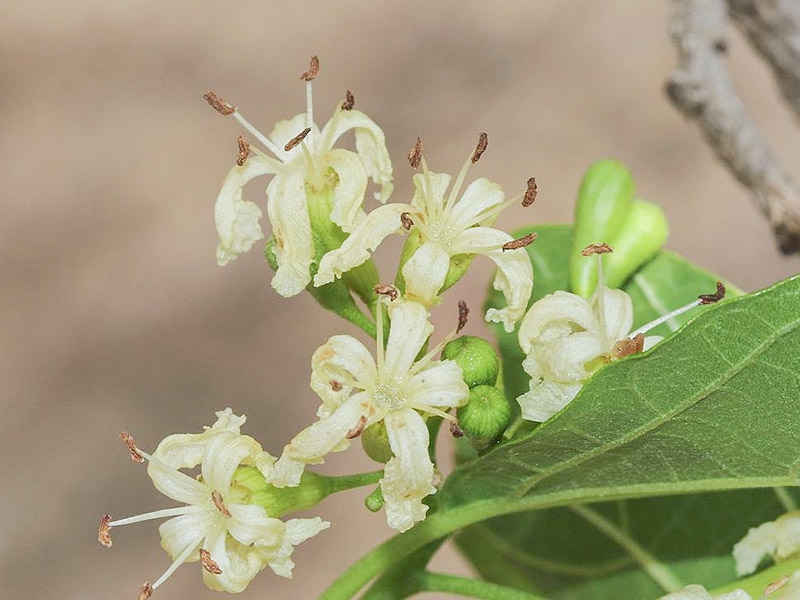
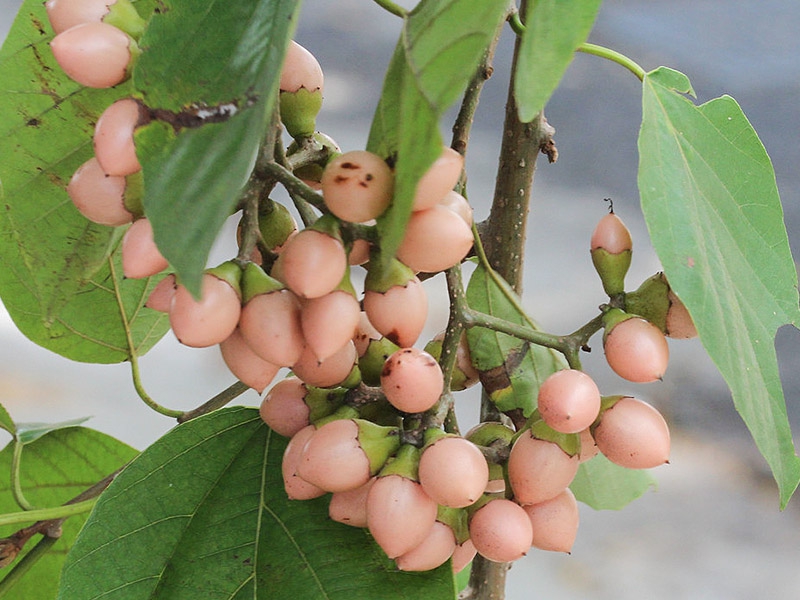
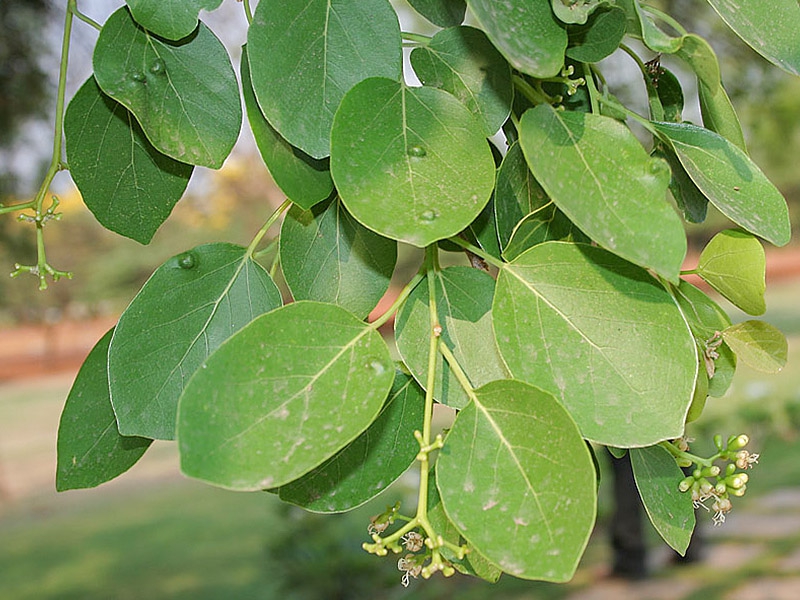
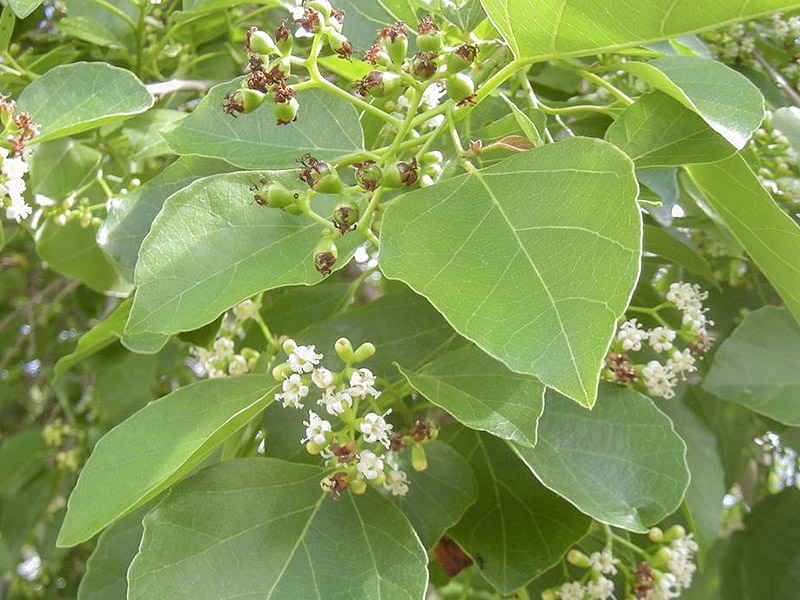
Cordia dichotoma is a tree primarily distributed in India, Southeast Asia, and Australia. Its characteristics, propagation methods, cultivation methods, garden uses, and major pests and diseases, as well as control methods, are as follows: Growth Characteristics - Height: It grows to approximately 10–15 meters and takes on a rounded shape. - Leaves: The leaves are small, oval-shaped, smooth, and glossy. - Flowers: Small white flowers bloom in early summer, and unripe green fruits turn black upon maturation. - Environment: It thrives in both dry and humid regions and prefers sunny locations. Propagation Methods - Seed Propagation: Harvest mature fruits to collect seeds, then plant them in nutrient-rich soil away from direct sunlight. - Cuttings: You can attempt cuttings by selecting healthy branches. Cultivation Methods - Soil: It grows best in well-drained soil and prefers sandy soil or soil with low clay content. - Watering: It does not need to be watered frequently, but sufficient water should be supplied during the dry season. - Fertilizer: Compound fertilizers can be used regularly to promote growth. Uses in the Garden - Landscape Tree: Widely used as a landscape tree in gardens, it is resistant to strong sunlight and air pollution. - Fruit and Medicinal Uses: The fruit is edible and is also used as a traditional medicine. Major Pests and Control Methods - Pests: Aphids and moths are major pests; upon early detection, they can be controlled using soapy water or eco-friendly insecticides. - Diseases: Leaf diseases caused by fungi may occur; to prevent this, periodic pruning and improved ventilation are necessary. With proper care and attention, Indocoldia dichotoma provides a beautiful landscape and is a plant that can be utilized for various purposes.
Plant Family
Dental clinic
Height
20m
Colors
white
Bloom Period
February to March
Water Needs
commonly
Exposure
semi-shaded area
Freezing Resistance
-10°C
Jute
Corchorus capsularis
Cordyline Fruticosa 'Red Edge'
Cordyline fruticosa
'Red Edge'