English
한국어
English
Español
中文
हिंदी
Home
News
Community
Dictionary
English
한국어
English
Español
中文
हिंदी
View list
Cicada flower
Coreanomecon hylomeconoides
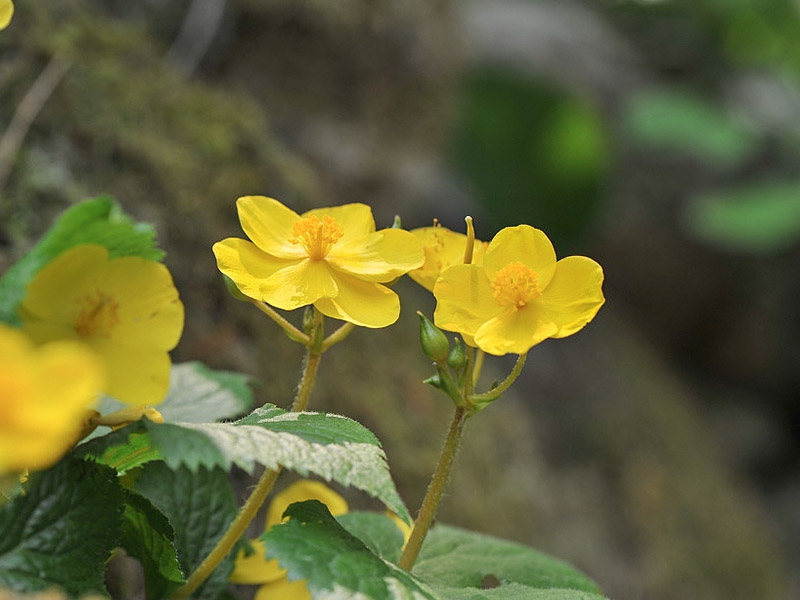
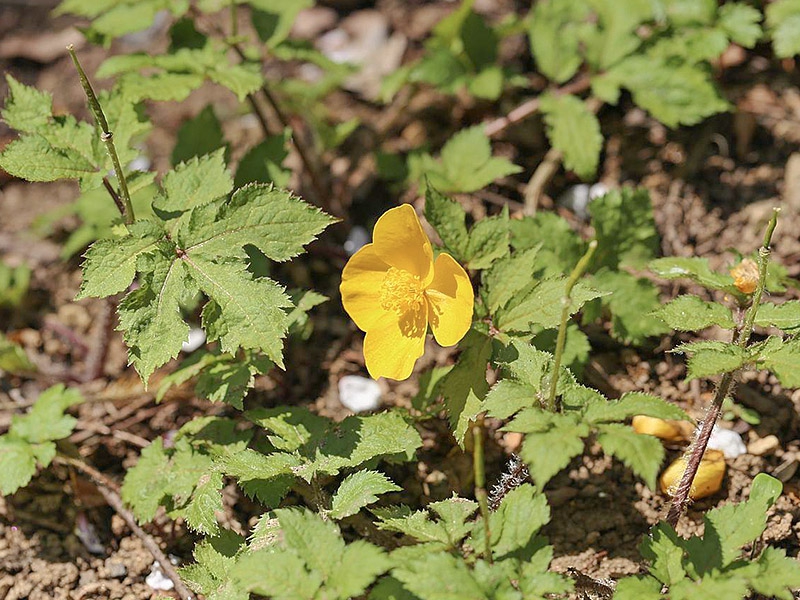
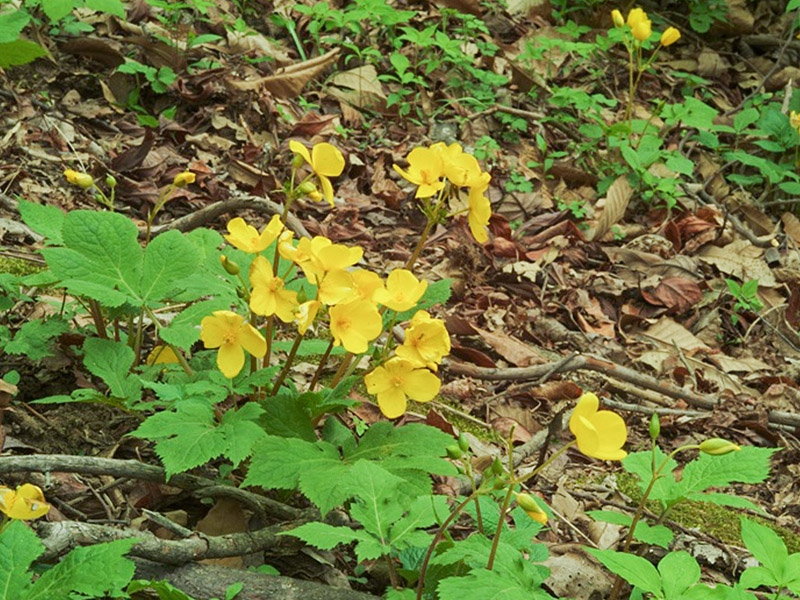
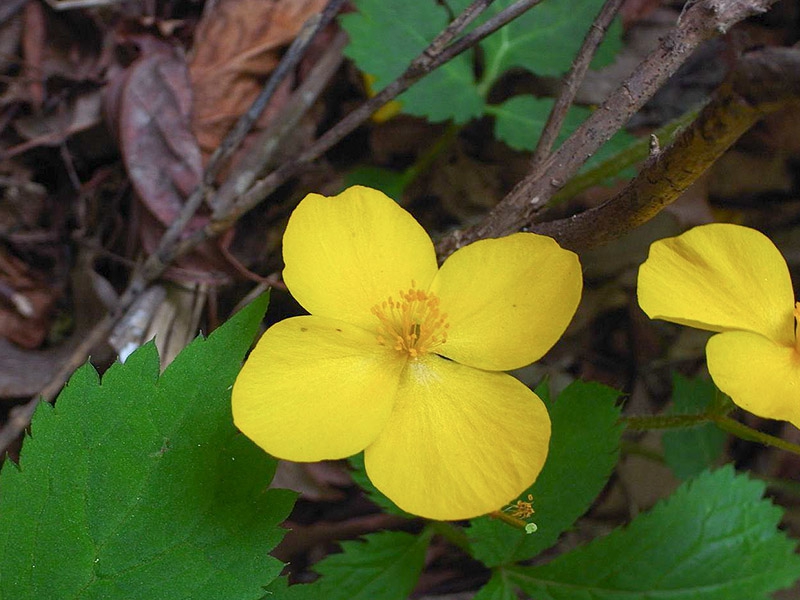
Coreanomecon hylomeconoides is a plant that receives special attention, possessing various characteristics and cultivation methods. The following is a detailed explanation. Growth CharacteristicsCoreanomecon hylomeconoides thrives primarily in temperate climates and grows healthily in partial shade. It prefers well-drained soil and may struggle to grow in environments that are too wet or excessively dry. Propagation MethodsCoreanomecon hylomeconoides is mainly propagated by seeds or root division. When using seeds, sowing in the spring can induce germination, while root division is best performed in the autumn after the growing season has ended. Cultivation MethodsSince Coreanomecon hylomeconoides prefers well-drained soil, it is recommended to plant it mixed with sand to improve drainage. Additionally, regular watering and timely fertilization help the plant grow healthily. It is advisable to avoid strong sunlight and provide partial shade. Use in the Garden Hylomeconoides is a suitable plant for planting in shaded gardens or along walking paths. In particular, it harmonizes well with other plants featuring dark foliage, providing a unique aesthetic effect to the garden. Important Pests and Control Methods While Hylomeconoides generally possesses strong resistance, it can be damaged by specific pests. Representative pests include aphids and powdery mildew; to control them, it is important to regularly inspect the plants and use appropriate insecticides or fungicides when necessary. Using organic insecticides is also an effective method. This concludes our explanation of the growth characteristics and cultivation methods of Hylomeconoides. When planting in the garden, it is important to select a suitable location by considering the surrounding environment.
Plant Family
poppy family
Height
20~40cm
Colors
yellow
Bloom Period
May to July
Water Needs
commonly
Exposure
semi-shaded area
Freezing Resistance
-20°C
Cordyline 'Pink Champagne'
Cordyline australis
'Pink Champagne'
Parasitic plant
Coreopsis tinctoria