English
한국어
English
Español
中文
हिंदी
Home
News
Community
Dictionary
English
한국어
English
Español
中文
हिंदी
View list
master
Coriandrum sativum
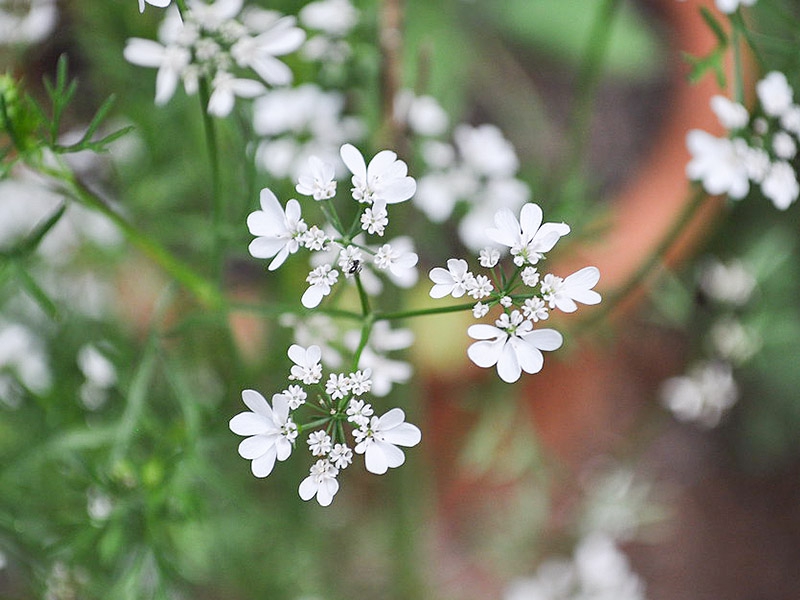
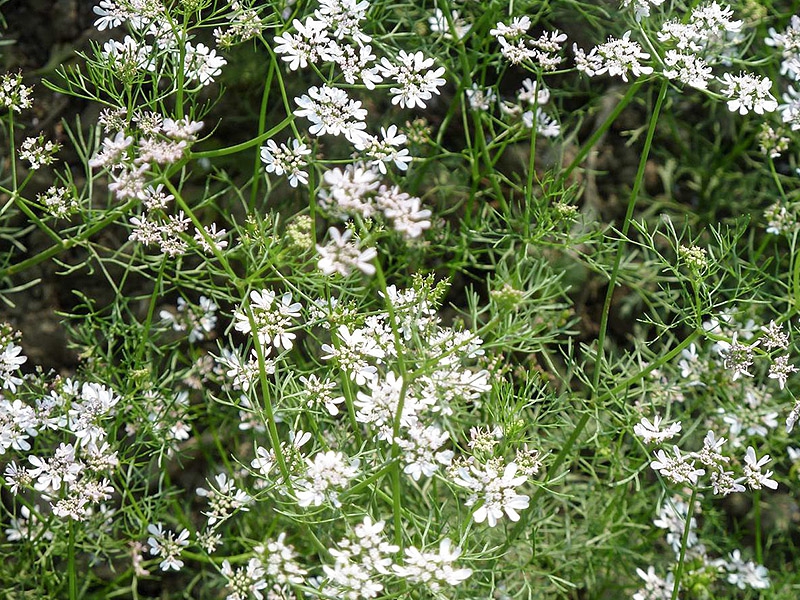
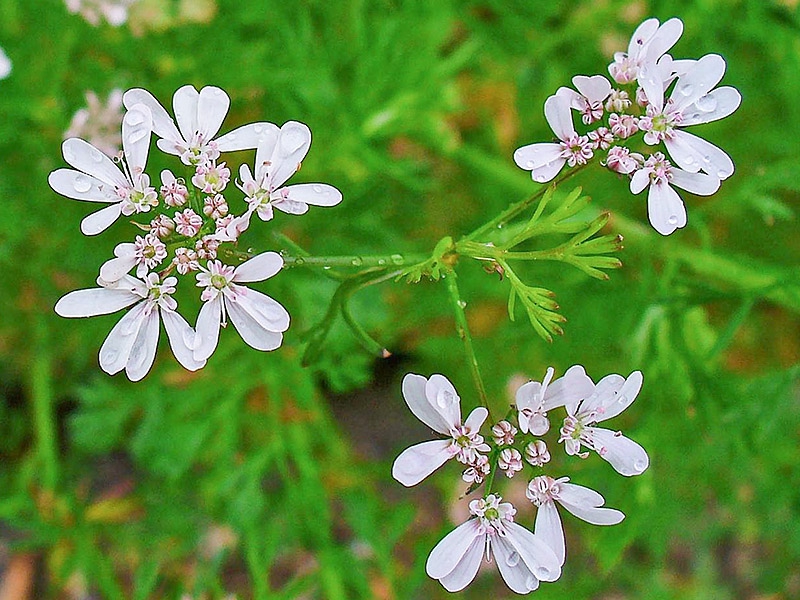
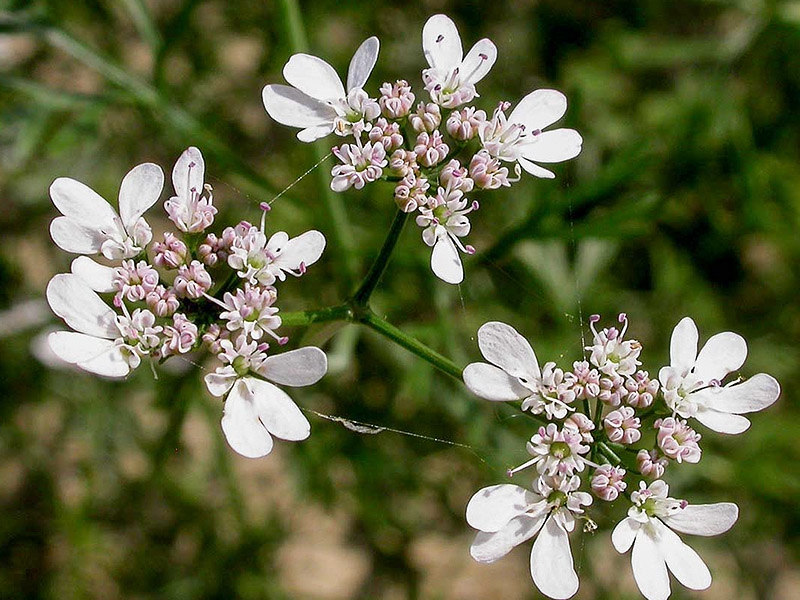
I will explain the growth characteristics, propagation methods, cultivation methods, garden uses, major pests and diseases, and control methods of coriander (Coriandrum sativum). Growth Characteristics Coriander is an annual herb widely cultivated worldwide. It grows to a height of 30 to 60 cm, and is characterized by its leaves having different shapes. The leaves are divided into those with a branched base resembling a tree branch and those with a flattened shape. It thrives in warm climates and prefers sunny locations. The germination temperature is approximately 15 to 25 degrees Celsius, and it grows well in soil with adequate humidity and good drainage. Propagation Methods Coriander is primarily propagated by seeds. Seeds are sown between spring and early summer and germinate within about 7 to 10 days. They can be sown directly or transplanted after being grown into seedlings. Since germination ability decreases if seeds are stored for more than 1 to 2 years, it is recommended to use fresh seeds. Cultivation Methods Coriander must be grown in a location where it can receive sufficient direct sunlight. It thrives in well-drained soil, and root rot may occur if drainage is poor. During the growing season, provide adequate water and manage the plant to prevent excessive moisture. Fertilizer should be applied sparingly; while excessive nitrogen fertilizer may result in lush foliage, it can also weaken the aroma. Uses in the GardenCilantro is primarily used as a culinary herb, and both the leaves and seeds can be used as spices. In the garden, it can be grown in pots or flowerbeds, or planted alongside other herbs to create a herb garden. Cilantro has a strong aroma that also helps deter pests. Major Pests and Control Methods Major pests affecting cilantro include leaf blight, root rot, and aphids. Leaf blight can occur in overly wet or poorly ventilated environments, so it is important to cultivate the plant in well-drained soil and plant with appropriate spacing. Aphids can be managed through frequent observation and periodic control. It is recommended to avoid chemical control and utilize eco-friendly methods. For example, you can remove pests with soapy water or utilize natural predators.
Plant Family
Apiaceae
Height
30~60cm
Colors
white
Bloom Period
June~July
Water Needs
commonly
Exposure
Sunny
Freezing Resistance
-5°C
Pine needle goldenrod 'Buttermilk'
Coreopsis verticillata
'Buttermilk'
Homocho
Corispermum stauntonii