English
한국어
English
Español
中文
हिंदी
Home
News
Community
Dictionary
English
한국어
English
Español
中文
हिंदी
View list
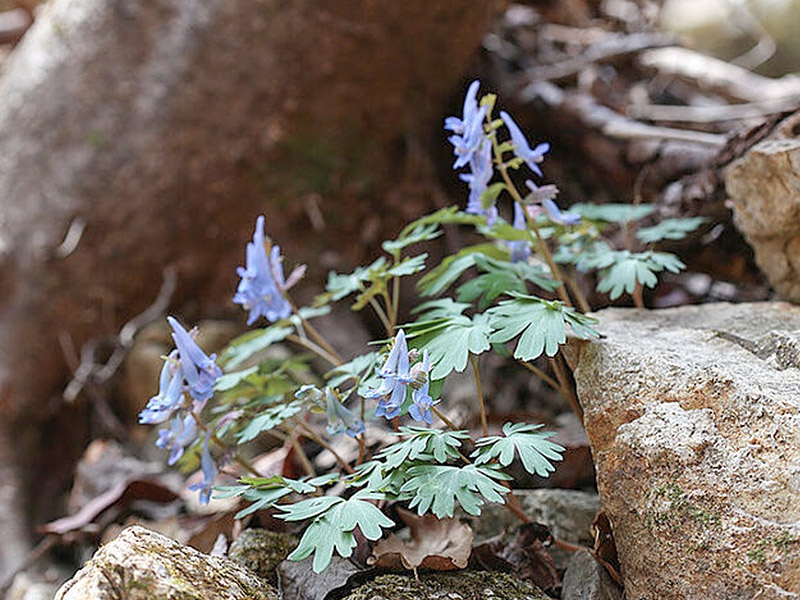
Korean Corydalis
Corydalis turtschaninovii
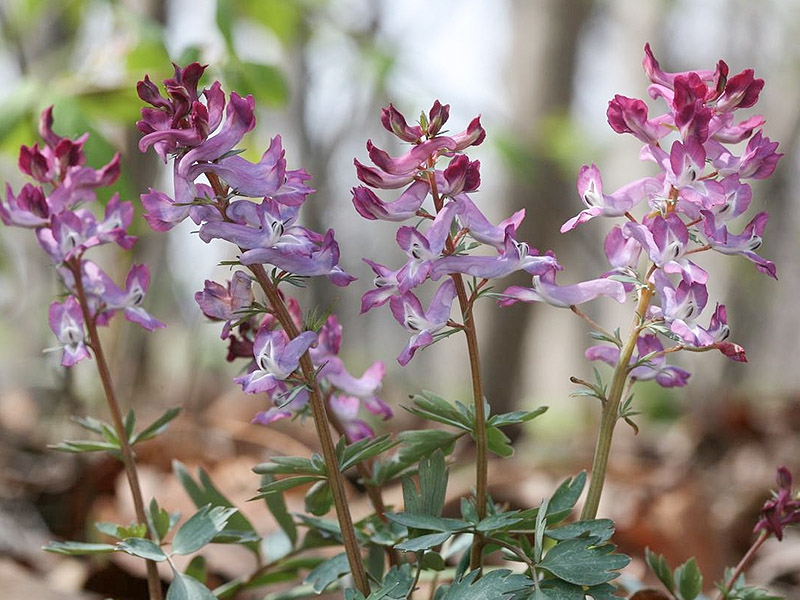
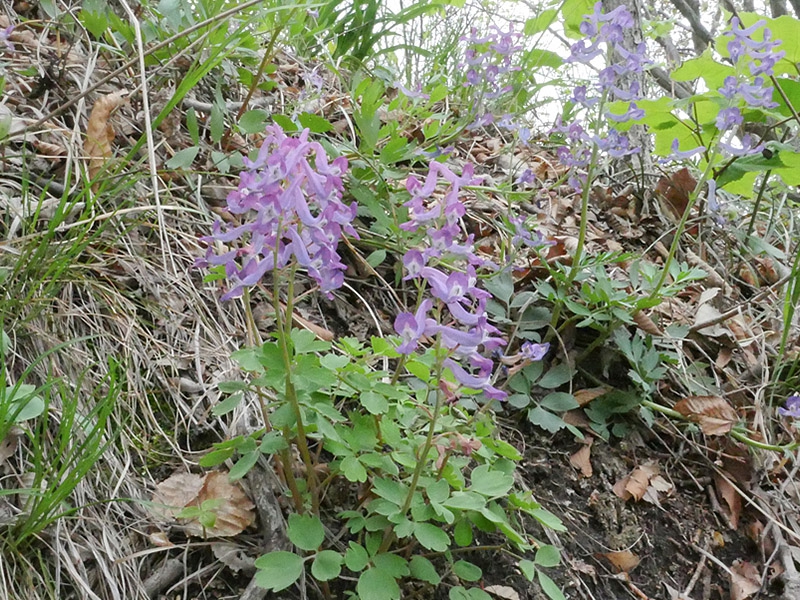
Corydalis turtschaninovii is a perennial herbaceous plant with attractive flowers. The following information covers its growth characteristics, propagation methods, cultivation techniques, garden use, and pest and disease management. Growth Characteristics - Growing Environment: It thrives in partial shade and prefers moist soil. Well-drained soil is ideal. - Growth Cycle: It grows from spring through summer, and the above-ground parts wither after summer. Propagation Methods - Seed Propagation: It is best to collect seeds in the autumn and sow them immediately. Since germination rates can be low, it is advantageous to use a sufficient quantity of seeds. - Division Propagation: It can be propagated by dividing the roots in spring or autumn. Cultivation Methods - Planting: It is best to plant in spring or autumn, and care must be taken to avoid damaging the roots during planting. - Watering: Regular watering is necessary, and sufficient water should be provided, especially during dry periods. - Fertilization: Provide nutrients using slow-release fertilizer in spring or late summer. Use in the Garden - Landscape Use: It is most effective when planted in shaded garden border areas or under trees. - Layout Planning: Planting in large numbers creates a more beautiful effect, and mixed cultivation with other shade-loving plants is also possible. Important Pests and Control Methods - Diseases: Be mindful of fungal diseases in humid environments. Avoid overwatering and use appropriate pesticides if necessary. - Pests: Generally, there are no serious pests. However, if common pests such as aphids occur, they can be treated using organic insecticides. Corydalis turtscaninovi grows well without special care, but following the care tips above will help you grow it even healthier.
Plant Family
poppy family
Height
20cm
Colors
blue, purple
Bloom Period
April~May
Water Needs
commonly
Exposure
semi-shaded area
Freezing Resistance
-30°C
Korean Corydalis turtscaninovii var. pumariaifolia
Corydalis turtschaninovii
var.
fumariaefolia
Wild Corydalis
Corydalis ternata