English
한국어
English
Español
中文
हिंदी
Home
News
Community
Dictionary
English
한국어
English
Español
中文
हिंदी
View list
snowball
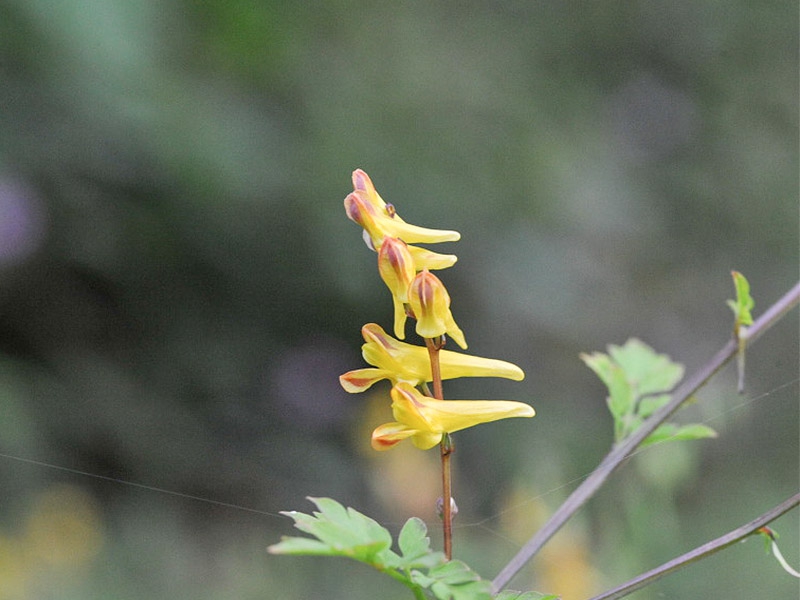
Corydalis ochotensis
I will explain the growth characteristics, cultivation methods, and garden uses of Corydalis ochotensis. Growth Characteristics Corydalis ochotensis thrives primarily in cool, humid environments and grows best in partial shade. Some sunlight is essential, but it is best to avoid areas with strong direct sunlight. It grows healthily in well-drained soil and is generally most active in spring and autumn. Propagation Methods The main propagation methods are seed sowing and root division. Seed sowing is usually done in the spring, and using dormant seeds ensures a high germination rate. Root division is performed in early spring or late autumn, by separating healthy root sections from the mother plant and planting them. Cultivation Methods - Soil: It prefers high-quality, well-drained soil. - Watering: Water regularly to prevent the soil from drying out. - Fertilizer: It is recommended to apply liquid fertilizer about once a month during the growing season. - Temperature: It prefers cool temperatures, so it is best to avoid high summer temperatures. Uses in the GardenDue to its beautiful flowers and unique leaf shape, this plant is excellent for planting on garden borders, flowerbeds, or in shaded gardens. It harmonizes well with other wildflowers, making it ideal for creating a natural garden atmosphere. Important Pests and Control Methods While Corydalis aucotensis is generally resistant to pests, root rot can occur due to excessive moisture. Maintaining good drainage is important for prevention. Aphids may be a pest; to control them, it is recommended to use natural methods such as soapy water or natural insecticides. Corydalis aucotensis is a relatively easy plant to care for. If provided with the right environment, it will grow healthily and add beauty to your garden.
Plant Family
poppy family
Height
60~100cm
Colors
yellow
Bloom Period
July to September
Water Needs
commonly
Exposure
semi-shaded area
Freezing Resistance
-30°C
Dizzy pouch
Corydalis pallida
Namdo Corydalis
Corydalis namdoensis