English
한국어
English
Español
中文
हिंदी
Home
News
Community
Dictionary
English
한국어
English
Español
中文
हिंदी
View list
Spotted Corydalis
Corydalis maculata
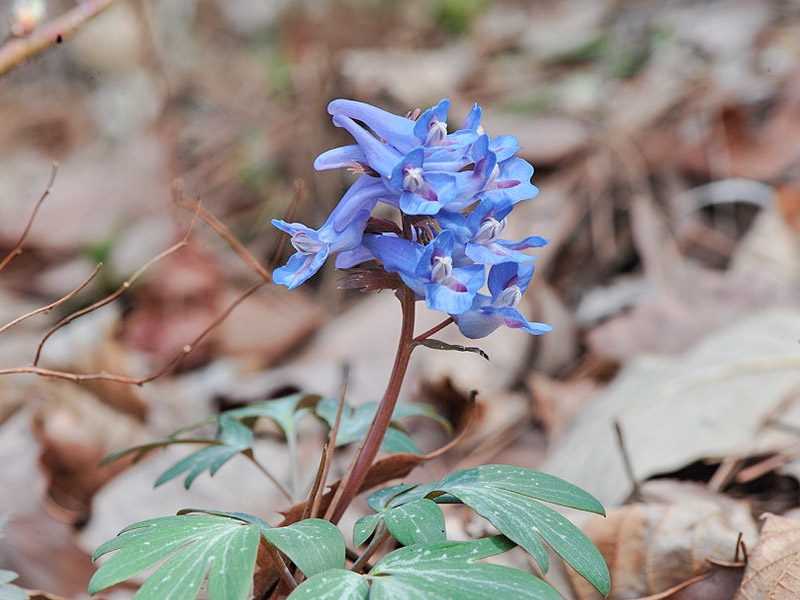
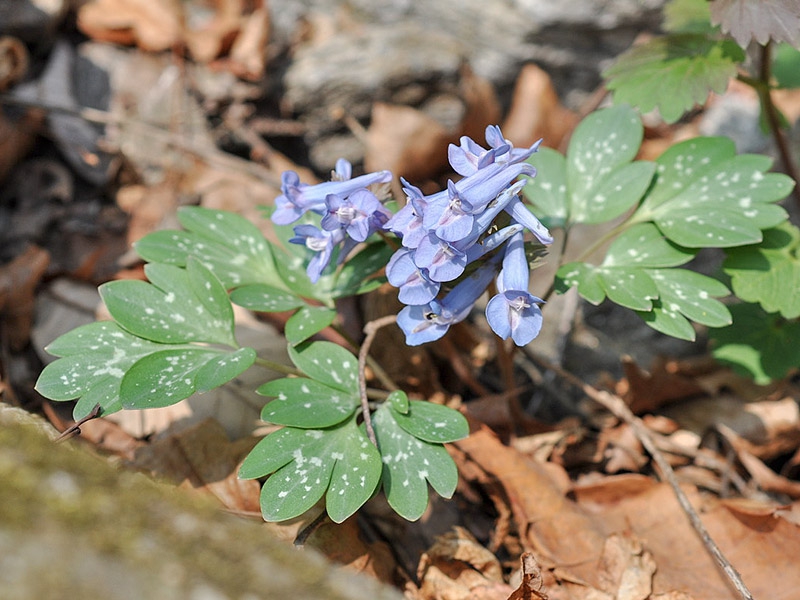
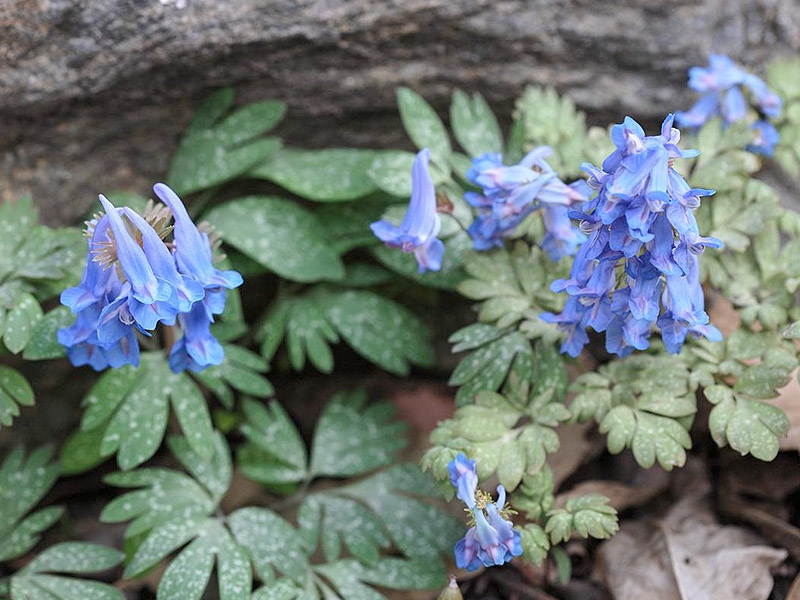
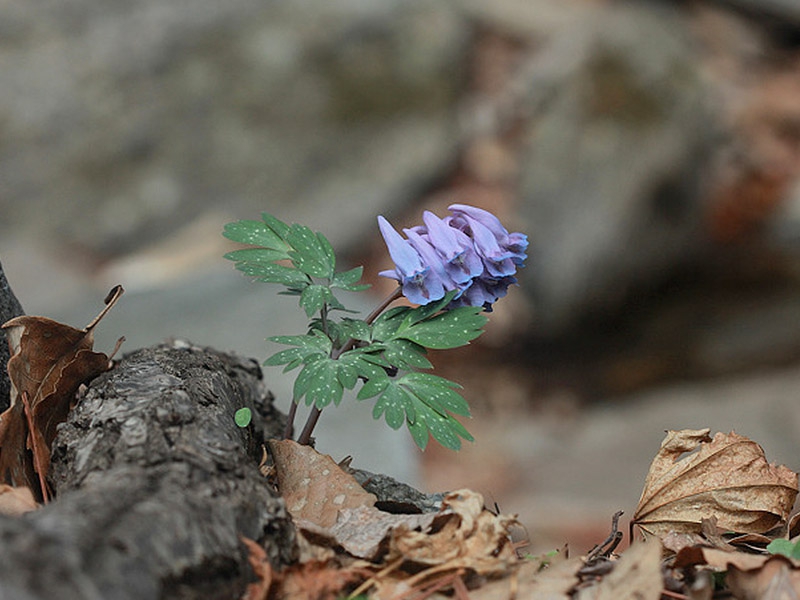
Corydalis maculata is a perennial herbaceous plant belonging to the Papaveraceae family. I will explain in detail its growth characteristics, propagation methods, cultivation methods, garden uses, and major pests and diseases, as well as control methods. Growth Characteristics Corydalis maculata grows to a height of approximately 20–40 cm and has pinnately compound leaves. This plant primarily blooms during the summer. The flowers are purple or pink and bloom in racemes at the tips of the stems. This plant thrives in partial shade and prefers well-drained soil. Propagation Methods Corydalis maculata is mainly propagated by seeds. Seeds are collected in the autumn, subjected to cold treatment during the winter, and sown in the spring. It can also be propagated by root division, which is suitable for spring or autumn. Cultivation Methods Since this plant grows well in partial shade, it is recommended to plant it in a shaded area. Plant in well-draining soil and water regularly to prevent it from drying out too much. Mixing in organic fertilizer before planting is also helpful for fertile soil. Uses in the GardenCorydalis maculata is well-suited for shaded gardens or forest gardens. Its vibrant flower colors and beautiful leaf shapes enhance the landscape and pair well with other ferns or shade plants. Important Pests and Control Methods Major diseases include root rot and leaf blight. To prevent root rot, it is important to maintain a well-drained soil environment. If leaf blight occurs, remove diseased leaves and use fungicides as needed. Common pests include aphids and slugs, which can be controlled using appropriate pesticides. Using a mulching material is also effective for controlling slugs. Based on the information above, you can properly care for Corydalis maculata to maintain a beautiful plant.
Plant Family
poppy family
Height
8~25cm
Colors
blue, purple
Bloom Period
March to June
Water Needs
commonly
Exposure
semi-shaded area
Freezing Resistance
-20°C
Namdo Corydalis
Corydalis namdoensis
purple corydalis
Corydalis incisa