English
한국어
English
Español
中文
हिंदी
Home
News
Community
Dictionary
English
한국어
English
Español
中文
हिंदी
View list
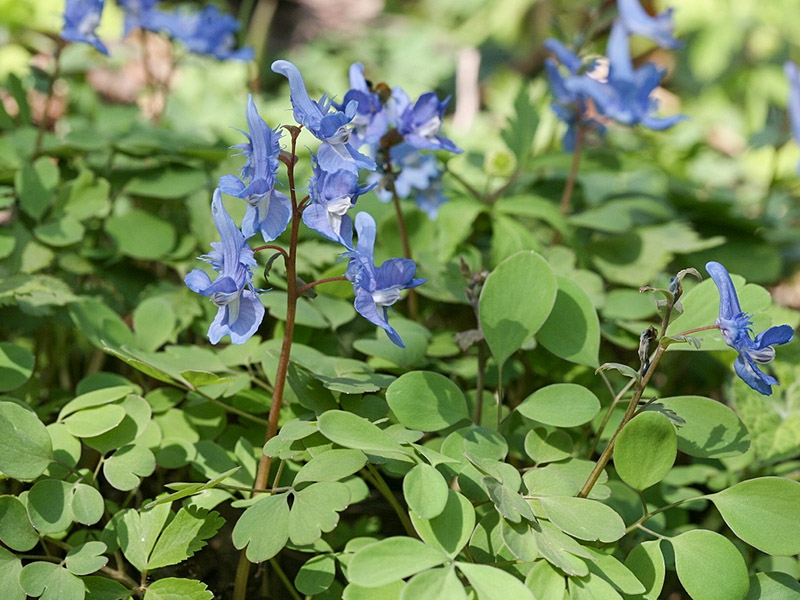
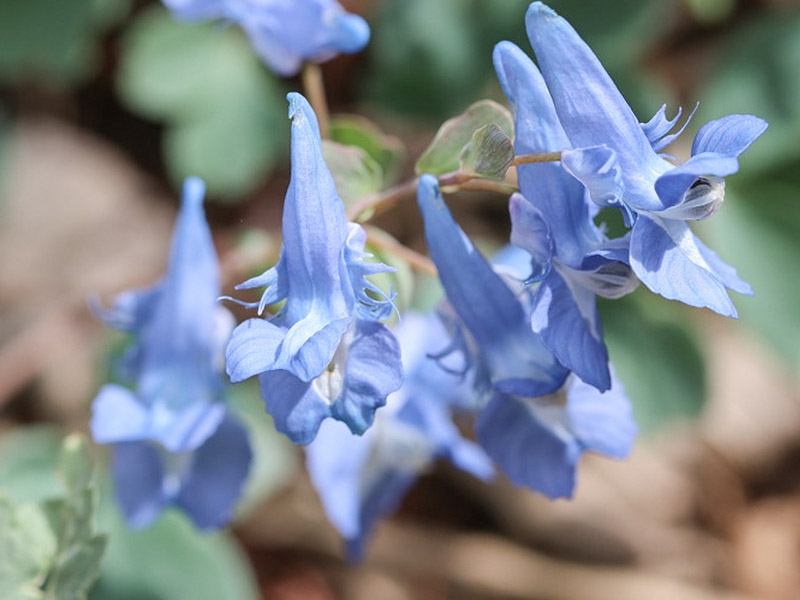
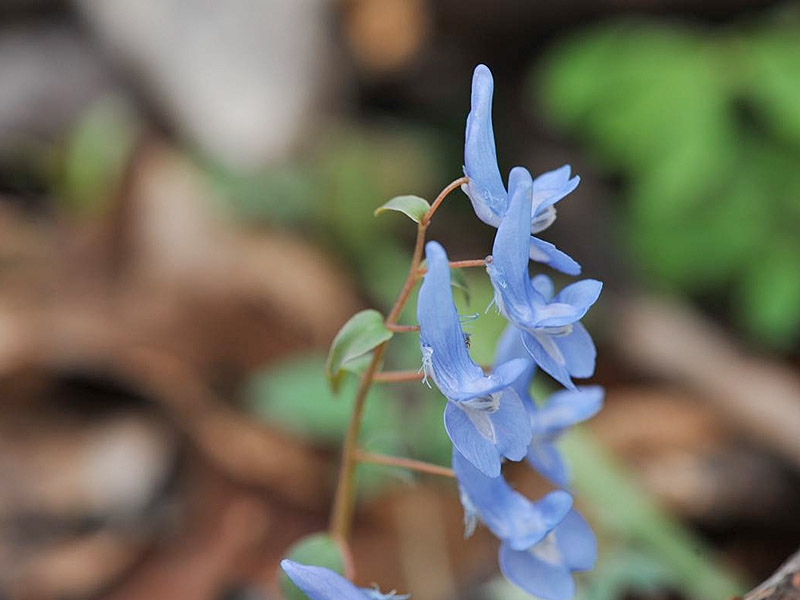
Rake Corydalis
Corydalis grandicalyx
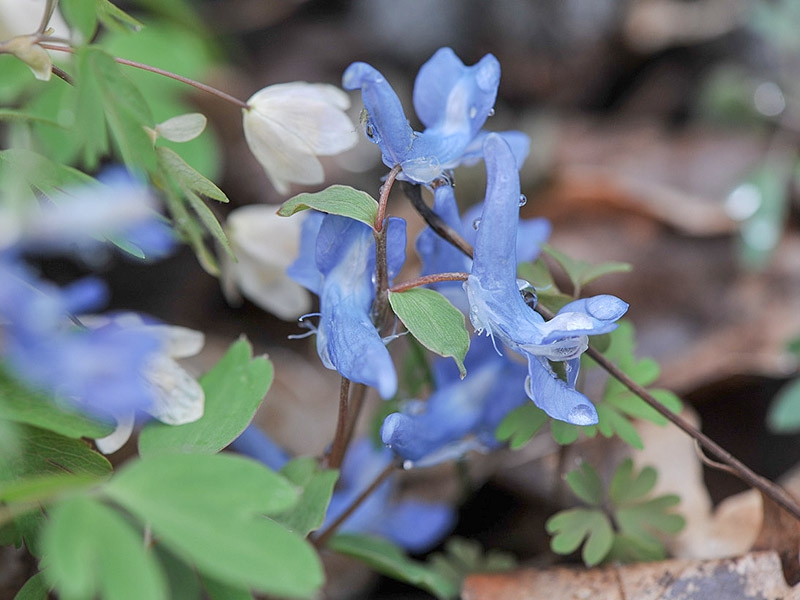
Corydalis grandicalyx is a very attractive plant in the garden due to its unique appearance and beautiful flowers. The following is information regarding this plant's growth characteristics, propagation methods, cultivation methods, garden uses, and major pests and diseases and control methods. Growth Characteristics - Growth Conditions: Corydalis grandicalyx thrives in partial shade and prefers well-drained soil. It adapts well to acidic to slightly acidic soils. - Height: It grows to approximately 30 to 50 cm; it is recommended to determine the planting location considering this height. - Flowering Season: It mainly blooms in the spring, but this may vary depending on temperature and environmental conditions. Propagation Methods - Seed Propagation: Propagation is primarily done via seeds. Mature seeds can be collected in the autumn and sown immediately, or stored in the refrigerator and sown in the spring. - Bulb Division: The plant can also be propagated by dividing its bulbs. This method is usually performed in the autumn. Cultivation Method - Planting: Plant shallowly to allow sprouts to emerge upon germination. Water thoroughly after planting. - Watering: Be careful of overwatering and maintain good drainage. - Fertilizer: Avoid excessive fertilizers; using low-concentration organic fertilizers can help promote plant growth. Uses in the Garden - Ornamental: Corydalis yanhusuo is used for ornamental purposes in flowerbeds and can create a unique harmony when planted alongside other flowers. - Natural Garden: It is useful for creating a romantic and natural garden atmosphere. Important Pests and Control Methods - Diseases: Caution is required as root rot can occur due to overwatering. Improving drainage is the most important preventive measure; if the disease occurs, it can be prevented by removing the diseased parts and improving the environment. - Pests: While generally resistant to diseases and pests, pests such as aphids may appear depending on the situation. To prevent this, periodic observation and the use of eco-friendly pest control agents are recommended. Based on the information above, I hope you are able to take good care of Corydalis grandicalis.
Plant Family
poppy family
Height
7~20cm
Colors
blue
Bloom Period
March to April
Water Needs
commonly
Exposure
semi-shaded area
Freezing Resistance
-15°C
prayer bead pouch
Corydalis heterocarpa
Corydalis
Corydalis decumbens