English
한국어
English
Español
中文
हिंदी
Home
News
Community
Dictionary
English
한국어
English
Español
中文
हिंदी
View list
Anderson's Dayflower 'Osprey'
Tradescantia
×
andersonian
'Osprey'
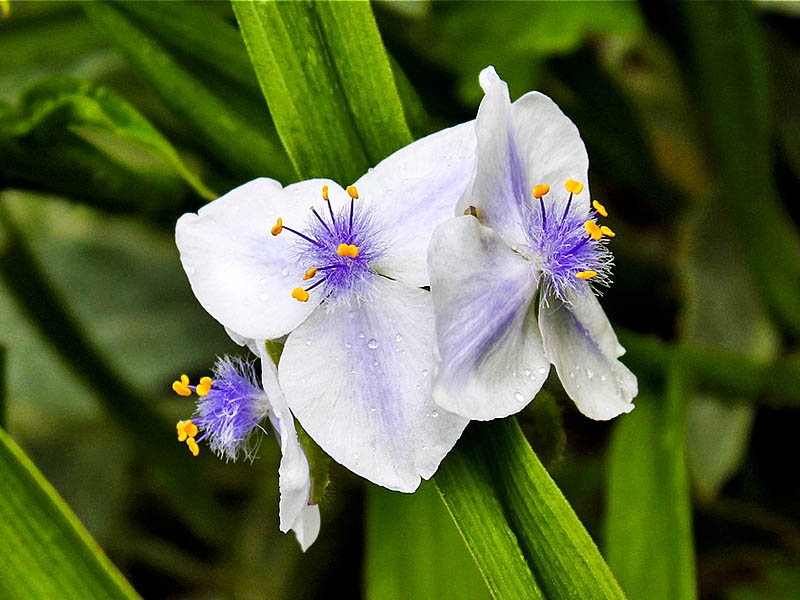
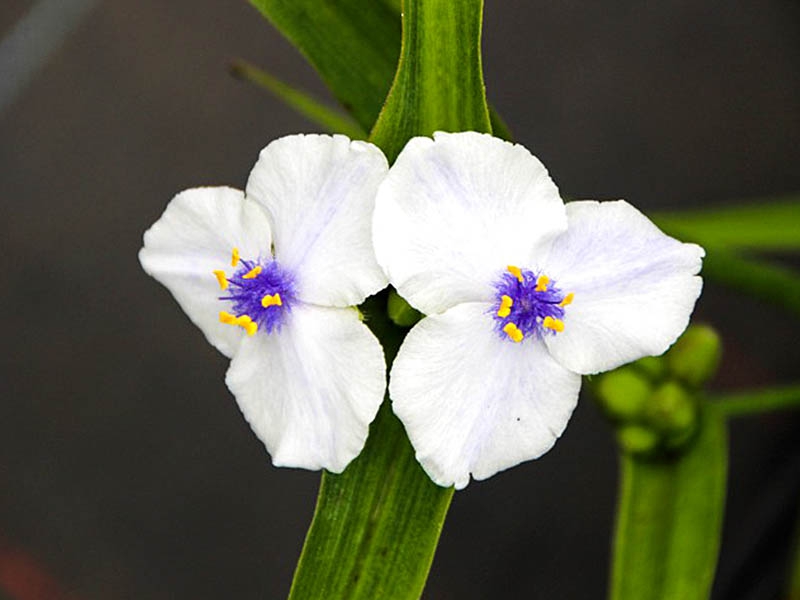
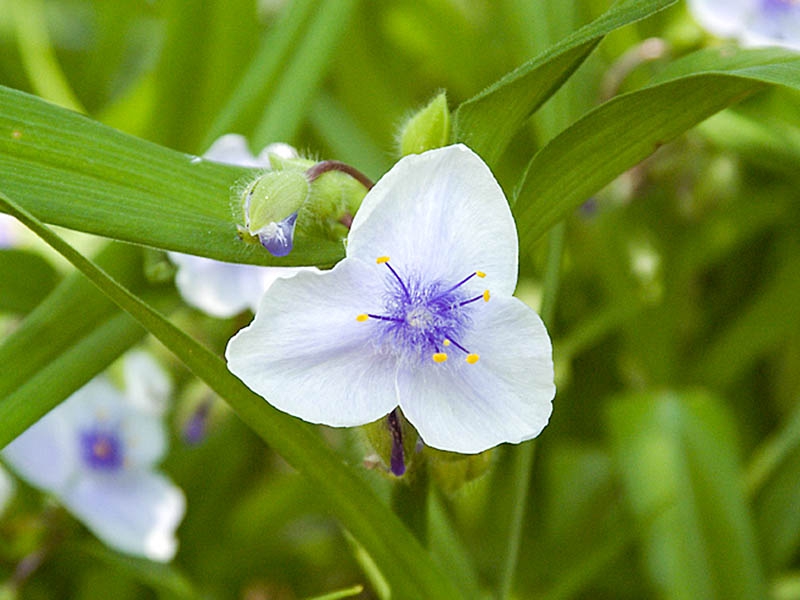
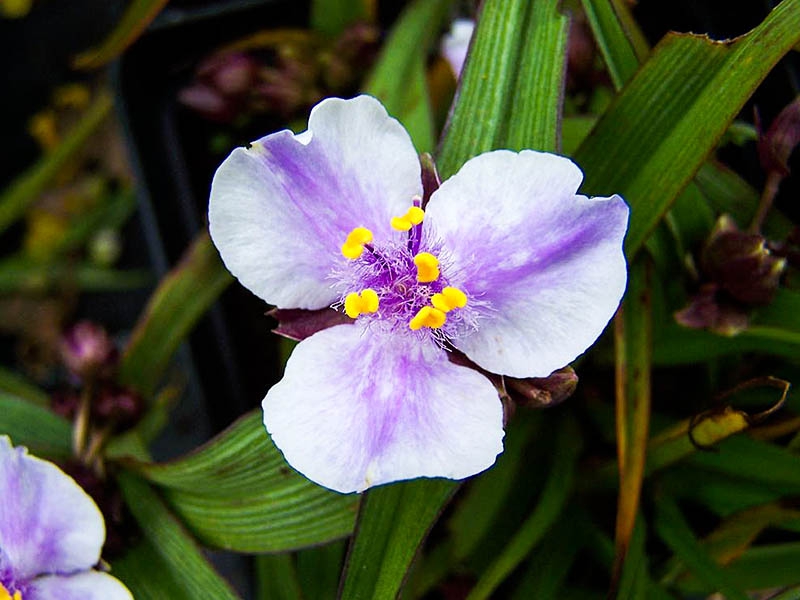
Tradescantia andersoniana 'Osprey' is a highly ornamental perennial plant primarily grown in gardens or pots. The following outlines the growth characteristics, propagation methods, cultivation techniques, garden uses, and important pests and diseases, as well as control methods for 'Osprey'. Growth Characteristics - Sunlight: Prefers partial shade but requires sufficient sunlight. - Soil: Well-draining soil is suitable, and it prefers slightly acidic to neutral soil. - Water: Maintaining consistent moisture is important, but overwatering should be avoided. - Temperature: It thrives in warm climates and can tolerate cold to some extent. Propagation Methods - Seeds: Seeds can be sown directly in the spring or transplanted indoors. - Cuttings: New plants can be easily propagated by cutting stems in the spring and summer. - Division: It is also possible to divide existing plants and plant them in new locations. Cultivation Methods - Frequent watering and proper drainage are important, and it is recommended to apply fertilizer in the spring and summer. - You can tidy up the shape by removing overgrown branches in the spring. - Since it has a strong reproductive capacity, the plant's size must be controlled regularly. Garden Uses - Tradescantia 'Osprey' is highly popular as an ornamental plant due to its vibrant flower colors. - It can be used as a border plant or placed at the front of flower beds to add color. - It is also used as a ground cover. Important Pests and Control Methods - Diseases: Root rot may occur due to excessive moisture, so care must be taken with drainage. - Pests: Small insects such as aphids may appear. - Control Methods: Pests and diseases can be prevented through proper ventilation and water management; eco-friendly insecticides can be used if necessary. Tradescantia 'Osprey' is a relatively easy-to-care-for plant that thrives in various environments and is useful for adding beauty to your garden.
Plant Type
Plant Family
Commelina communis
Height
45~60cm
Spread
45~60cm
Colors
white, purple
Bloom Period
June to September
Water Needs
commonly
Exposure
Sunny
Freezing Resistance
-30°C
Anderson's Dayflower 'Purewell Giant'
Tradescantia × andersoniana 'Purewell Giant'
Anderson's Moonflower 'Mullet Clusters'
Tradescantia × andersoniana 'Merlot Clusters'