English
한국어
English
Español
中文
हिंदी
Home
News
Community
Dictionary
English
한국어
English
Español
中文
हिंदी
View list
Dwarf Corydalis
Corydalis humilis
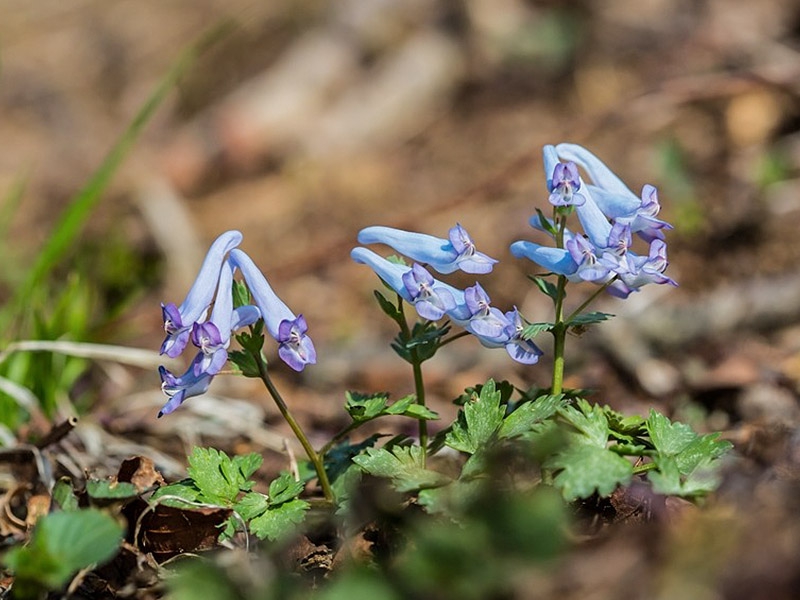
I will explain the growth characteristics, propagation methods, cultivation methods, garden uses, and important pests and diseases and control methods for Corydalis humilis. - Growth Characteristics: Corydalis humilis is a perennial herbaceous plant that thrives primarily in semi-shaded environments in cool climates. It produces small, delicate flowers, usually blooming in the spring. It prefers conditions where the soil is well-drained yet retains a slight amount of moisture. - Propagation Methods: It is generally propagated by seeds or root division. Seeds can be sown directly at room temperature in the spring or sown in the autumn to induce natural germination. Root division is best performed in the spring or autumn. - Cultivation Methods: A semi-shaded area where sunlight is partially blocked is suitable, and the soil should be rich in organic matter and well-drained. After planting, keep the soil moist, but avoid excessive watering. Mulching can be used to protect the roots from frost damage during the winter. - Garden Use: Dwarf Corydalis is excellent for use as a ground cover in shady gardens. Planting it under nearby trees or near stone walls can create a natural atmosphere. Thanks to its small size and attractive flower shape, it is also suitable for mini gardens or rock gardens. - Important Pests and Control Methods: Generally, there are no serious pests or diseases; however, in humid environments, the plant may suffer from root rot or damage from aphids. To prevent this, it is important to manage drainage thoroughly to avoid overwatering and to remove any pests immediately upon discovery. Aphids can be removed by hand or by using natural pesticides. This information will help you successfully grow and care for Dwarf Corydalis.
Plant Family
Corydalis family
Height
4~23cm
Colors
blue
Bloom Period
april
Water Needs
commonly
Exposure
Sunny
Freezing Resistance
-20°C
Seon-gwaebuljumeoni
Corydalis pauciovulata
Tamna Hyeonhosek
Corydalis hallaisanensis