English
한국어
English
Español
中文
हिंदी
Home
News
Community
Dictionary
English
한국어
English
Español
中文
हिंदी
View list
Rock Corydalis
Corydalis sempervirens
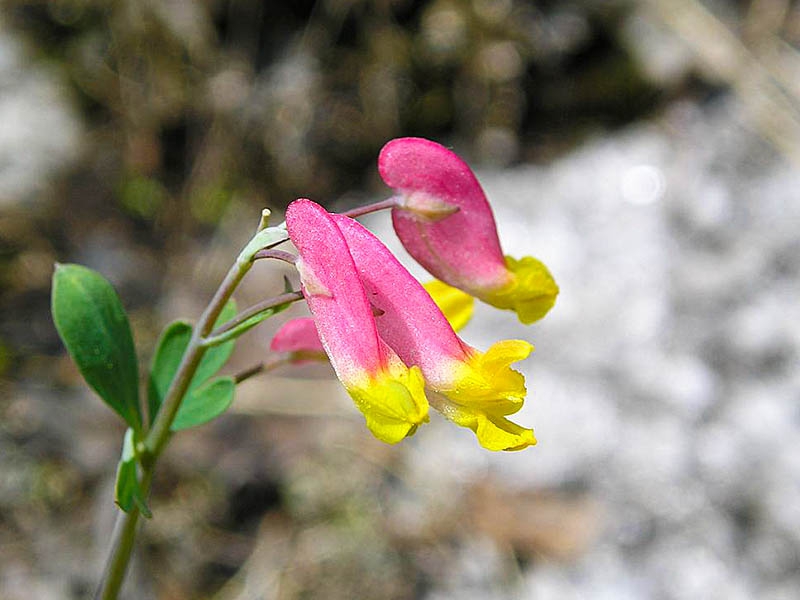
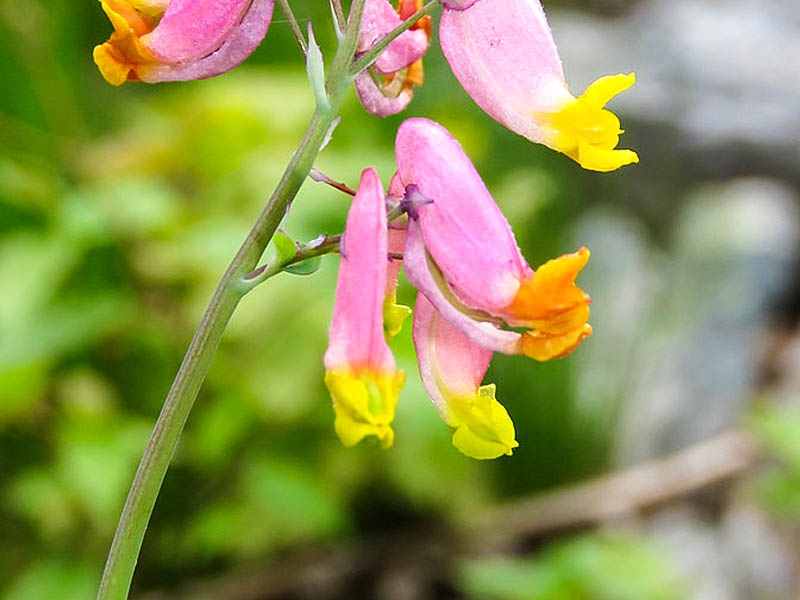
I will explain the growth characteristics, propagation methods, cultivation methods, garden uses, and important pests and diseases and control methods for Corydalis sempervirens. Growth Characteristics Corydalis sempervirens thrives primarily in moist environments and can grow in a variety of conditions, ranging from partial shade to full sun. It grows to a height of approximately 30 to 60 cm and is characterized by its fine leaves and uniquely shaped flowers. Propagation Methods Seed propagation is common; it can be propagated by sowing in spring or autumn. To increase the germination rate, it is recommended to cold-treat the seeds in a refrigerator for a certain period. Cultivation Methods It is important to plant in well-draining soil. Select soil with good drainage, and while it should be watered regularly, care must be taken to avoid overwatering. Applying a general all-purpose fertilizer two or three times a year is sufficient. Uses in the Garden In gardens, it is primarily used to decorate the edges of flower beds or as a strip planting. It harmonizes well with other plants and thrives particularly in the shade of trees, making it highly useful in shade gardens. Key Pests and Diseases & Control Methods The main disease is fungal disease affecting the leaves, which can be prevented by creating a well-ventilated environment. Diseased leaves should be removed promptly, and control measures should be taken using appropriate fungicides. Aphids may be a pest; if necessary, it is recommended to control them using insecticides that are safe for humans. Based on this information, we hope you can properly care for and utilize Corydalis sempervirens.
Plant Family
poppy family
Height
30~120cm
Spread
30~60cm
Colors
pink
Bloom Period
May to August
Water Needs
commonly
Exposure
Sunny
Freezing Resistance
-15°C
Rock Corydalis 'Very Exciting'
Corydalis shimienensis
'Berry Exciting'
Corydalis 'Blue Panda'
Corydalis flexuosa
'Blue Panda'