English
한국어
English
Español
中文
हिंदी
Home
News
Community
Dictionary
English
한국어
English
Español
中文
हिंदी
View list
Corydalis elata
Corydalis elata
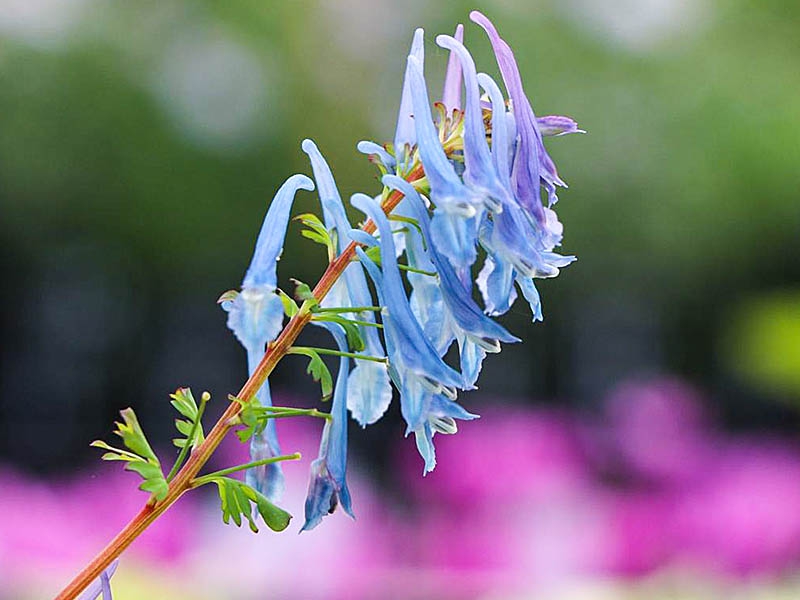
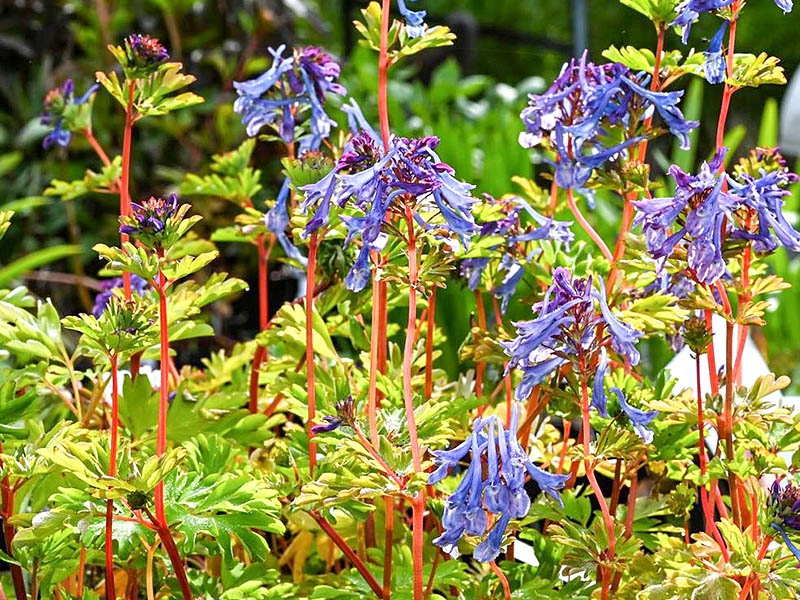
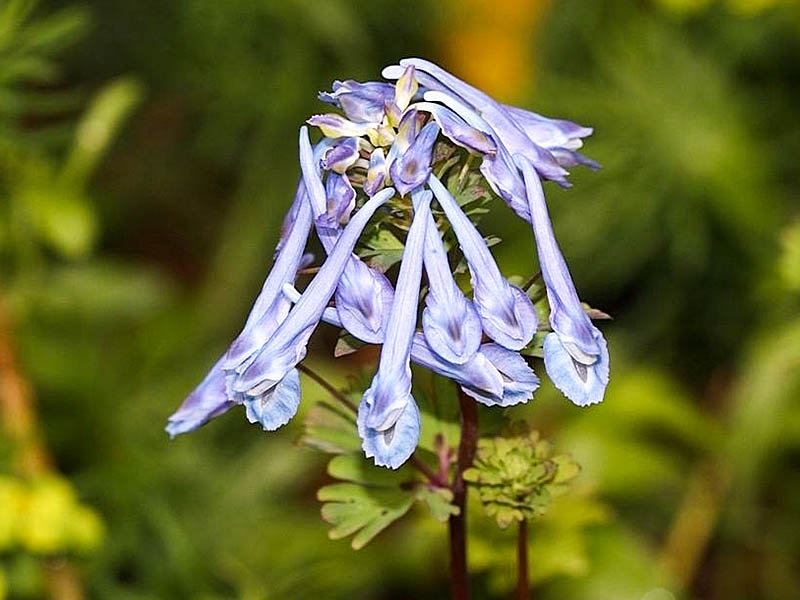
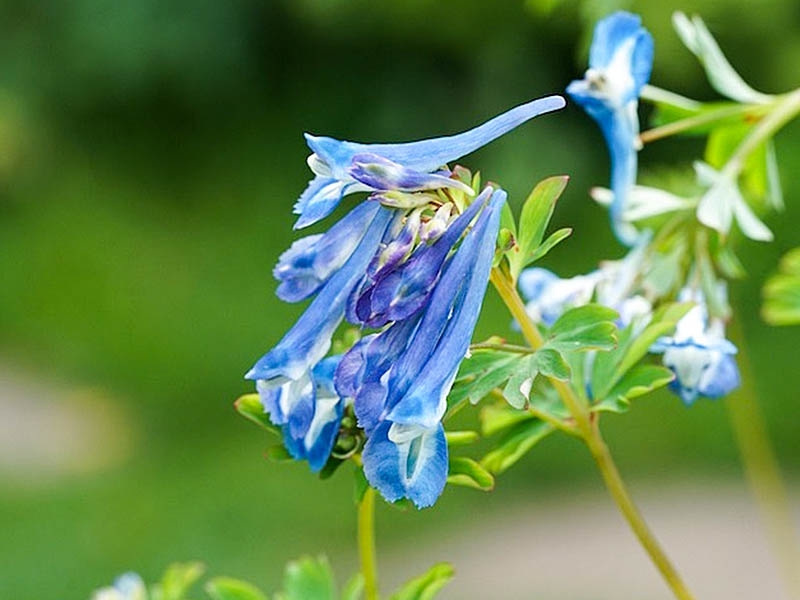
I will explain the growth characteristics, propagation methods, cultivation methods, garden uses, and major pests and diseases and control methods of Corydalis elata. Growth Characteristics Corydalis elata is a perennial herbaceous plant that thrives primarily in shady and moist environments. It flowers from spring to early summer, producing blue flowers. In its natural state, it is frequently found at forest edges or within thickets. Propagation Methods Seed Propagation: It can be propagated by seeds, and it is best to sow them in spring or autumn. Using fresh seeds is important to increase the germination rate. Division Propagation: It can be propagated by dividing roots in late winter, early spring, or autumn. Select healthy roots, separate them, and plant them immediately. Cultivation Methods - Soil: Humus soil that is well-drained yet retains moisture is suitable. - Light: It prefers partial shade but can also grow in complete shade. - Watering: Water frequently to maintain moisture, but be careful as poor drainage can cause root rot. - Fertilizer: Applying organic fertilizer in the spring promotes healthy growth. Uses in the Garden Corydalis elata is highly popular as a garden ornament due to its beautiful blue flowers and distinctive leaf shape. Planting it along the edges of a shaded garden or under trees creates a natural look. Important Pests and Control Methods - Diseases: Root rot caused by overwatering is the most common problem. Well-drained soil and proper watering management are required. - Pests: While generally resistant to diseases and pests, it can be damaged by snails and slugs. Manage them by physically removing them or using insecticides. We hope you can grow healthy Corydalis elata by referring to the information above.
Plant Family
poppy family
Height
30~60cm
Spread
30~60cm
Colors
blue
Bloom Period
May to July
Water Needs
commonly
Exposure
semi-shaded area
Freezing Resistance
-20°C
Corydalis 'Blue Panda'
Corydalis flexuosa
'Blue Panda'
Corydalis 'Blue Heron'
Corydalis curviflora
subsp.
rosthornii
'Blue Heron'