English
한국어
English
Español
中文
हिंदी
Home
News
Community
Dictionary
English
한국어
English
Español
中文
हिंदी
View list
Corydalis 'Blue Heron'
Corydalis curviflora
subsp.
rosthornii
'Blue Heron'
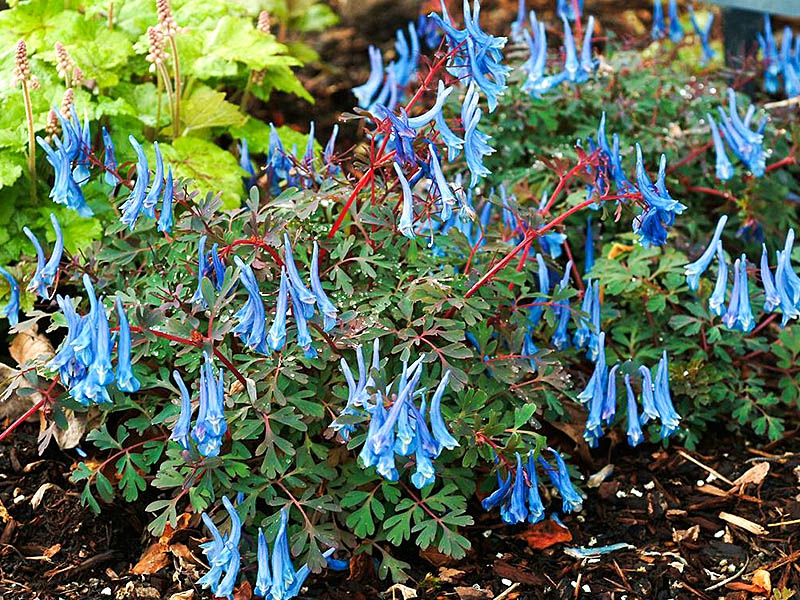
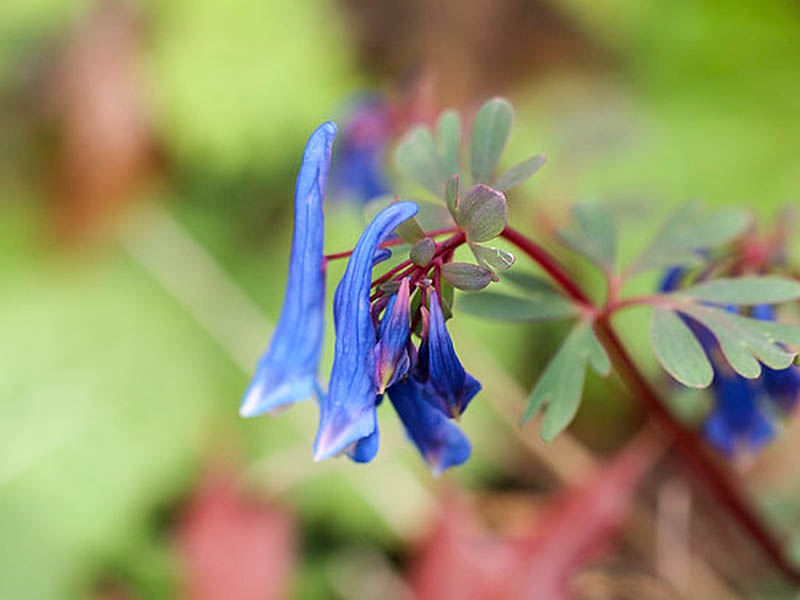
Corydalis curviflora subsp. rosthornii 'Blue Heron' is popular in gardens for its unique blue flowers and attractive leaves. Below is a description of the 'Blue Heron's' growth characteristics, propagation methods, cultivation methods, garden uses, and major pests and diseases and control methods. Growth Characteristics - Growth Form: It is a perennial herbaceous plant, and flowers bloom mainly in the spring. - Leaves: The feather-shaped leaves are medium green and have a soft texture. - Flowers: The blue flowers are small and bloom in clusters; they are fragrant. - Height: Mature plants grow to a height of approximately 15–30 cm. - Growing Environment: It thrives in partial shade and prefers moist, well-drained soil. Propagation Methods - Seed Propagation: Harvest seeds after the flowers have faded and sow them in the autumn or spring. To increase the germination rate, it is recommended to grow it in a sunny location. - Division: It can be propagated by dividing root clumps, which is typically done in the spring. Cultivation Methods - Soil Management: It thrives in well-drained soil, and it is recommended to use soil with a high organic matter content. - Watering: Be careful not to overwater, but water consistently to prevent the soil from becoming too dry. - Fertilization: Apply a small amount of slow-release fertilizer in the spring to promote growth. Garden Uses - Landscape Composition: Due to its small stature and blue flowers, it is suitable as a border plant and fits well in rock gardens or shaded flowerbeds. - Artificial Plant: It can harmonize well with various perennial plants. Important Pests and Diseases & Control Methods - Pests and Diseases: Generally, there are no major pest or disease issues, but care should be taken regarding root rot in cases of overwatering. - Control Methods: Most problems can be prevented by improving drainage and avoiding overwatering. - Common Pests: The plant may be damaged by snails and slugs; it is recommended to remove these pests by hand. Based on the information above, you will be able to raise and enjoy your 'Blue Heron' in a healthy way.
Plant Family
poppy family
Height
20~25cm
Spread
20~25cm
Colors
blue
Bloom Period
May to July
Water Needs
commonly
Exposure
semi-shaded area
Freezing Resistance
-15°C
Corydalis elata
Corydalis elata
Corydalis solida 'Canary Feathers'
Corydalis solida
'Canary Feathers'