English
한국어
English
Español
中文
हिंदी
Home
News
Community
Dictionary
English
한국어
English
Español
中文
हिंदी
View list
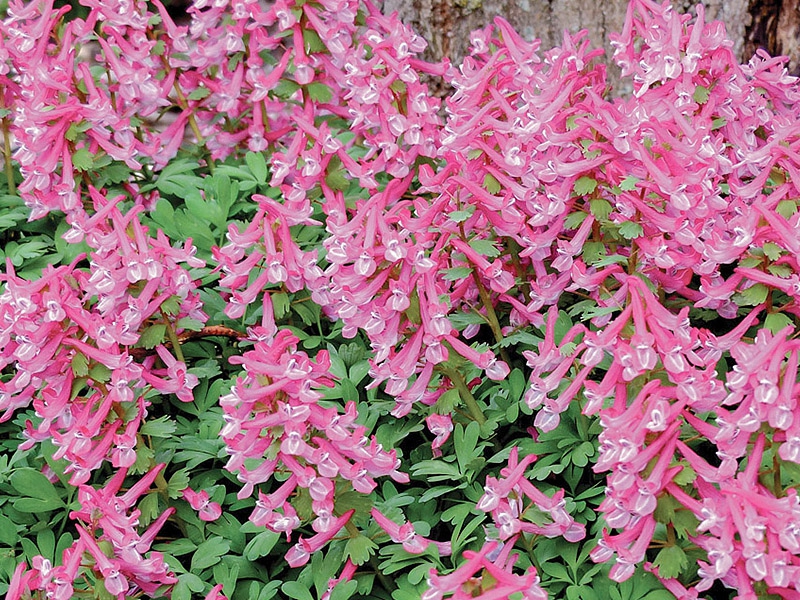
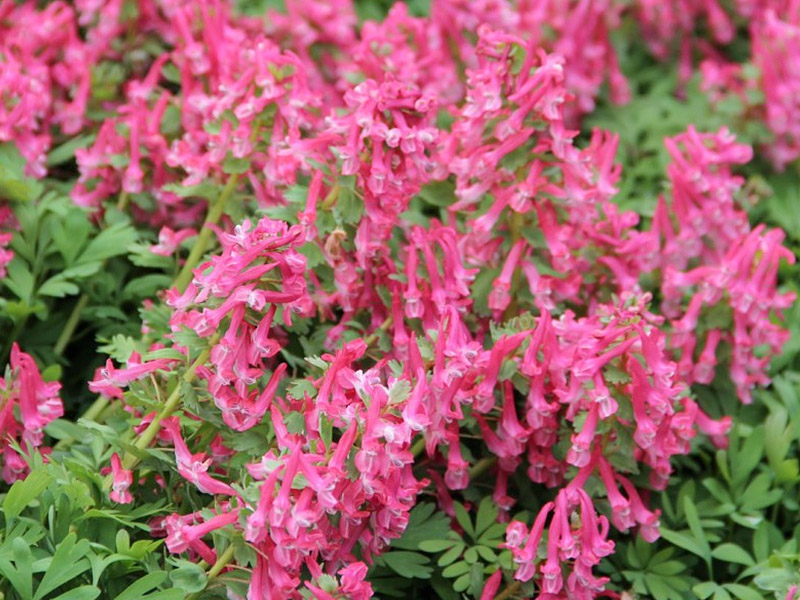
Solida Corydalis 'Beth Evans'
Corydalis solida
'Beth Evans'
Corydalis solida 'Beth Evans' is a plant well-known for its beautiful pink flowers and possesses the following characteristics: Growth Characteristics: - It is a perennial herbaceous plant that primarily blooms in the spring. - It grows to a height of approximately 15–30 cm and has soft, fern-like leaves. - It prefers relatively shady environments and thrives in well-drained soil. Propagation Methods: - It is mainly propagated by bulbs or seeds. - It can be propagated by separating and planting bulbs in the autumn or by sowing fresh seeds in the spring. Cultivation Methods: - It should be planted in fertile, well-drained soil and grown in partial or complete shade. - It requires adequate watering, but excessive moisture should be avoided. - After the flowers fade in the spring, the leaves gradually wither; leave the root area intact to allow the bulb to grow naturally. Garden Use: - Adds color to the garden with its colorful spring flowers. - Suitable for creating a harmonious garden when planted alongside other spring flowers. - Can be planted in shaded flowerbeds or under trees to add a focal point. Important Pests and Control Methods: - While relatively resistant to pests, caution should be exercised regarding aphids, which can cause leaf damage. - Regular physical removal and eco-friendly control methods using natural predators are effective. - Use insecticides if necessary, but ensure standard usage instructions are followed. Corydalis solida 'Beth Evans' is a relatively easy-to-care-for plant and is an attractive plant that produces beautiful flowers every year when provided with the right conditions.
Plant Family
poppy family
Height
15~25cm
Spread
15~25cm
Colors
pink
Bloom Period
April~May
Water Needs
commonly
Exposure
Sunny
Freezing Resistance
-20°C
Solida Corydalis 'George Baker'
Corydalis solida
'George Baker'
Yellow Corydalis
Corydalis lutea