English
한국어
English
Español
中文
हिंदी
Home
News
Community
Dictionary
English
한국어
English
Español
中文
हिंदी
View list
Horned hazelnut
Corylus cornuta
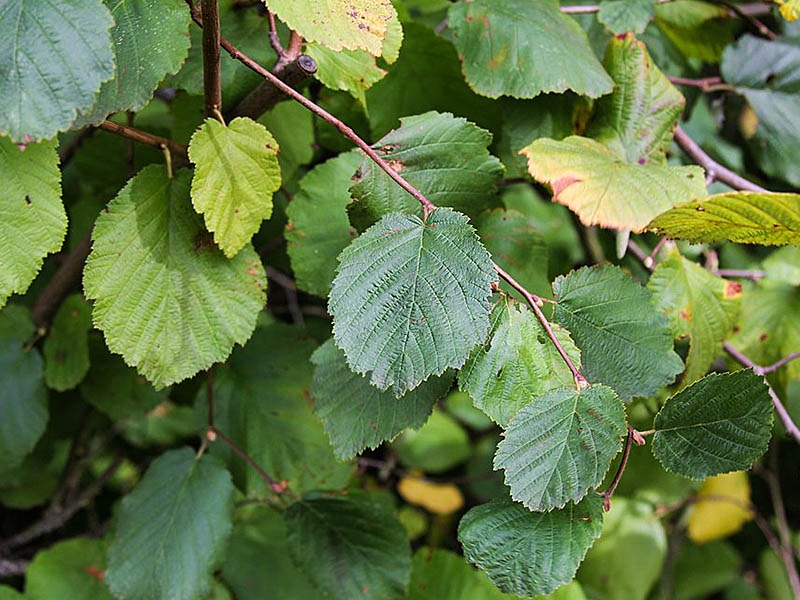
Corylus cornuta is a shrub native to North America that produces hazelnuts, a particularly well-known nut. The following describes the growth characteristics, propagation methods, cultivation practices, garden uses, and major pests and control methods of Corylus cornuta. Growth Characteristics - Environmental Adaptability: Corylus cornuta thrives in a variety of climates and soil conditions, particularly preferring well-drained soil rich in organic matter. - Light: It can grow in a wide range of light conditions, from full sun to partial shade. - Moisture: It requires adequate moisture, and additional watering is necessary during dry periods. - Height: When mature, it typically grows to a height of 4–6 meters and spreads as a broad shrub. Propagation Methods - Seed Propagation: It can be propagated by sowing seeds harvested in the autumn immediately. To increase germination rates, it is recommended to sow the seeds in the spring after cold treatment during the winter. - Propagation by Cuttings: You can also propagate by cutting semi-hardened branches (branches grown this year, not last year's) in the summer and planting them in a mixture of sand and soil. Cultivation Methods - Planting Location: A location that receives plenty of sunlight but is protected from the wind is ideal. - Soil Preparation: Prepare fertile, well-draining soil by mixing in sufficient organic matter. - Spacing: When planting multiple trees, it is recommended to space them at least 3 to 4 meters apart. - Watering: Water regularly, but avoid overwatering. Uses in the Garden - Cornus are planted for harvesting their hazelnuts or as ornamental trees. - They are suitable for creating natural landscapes, forest edges, and living hedges. Important Pests and Control Methods - Diseases: Brown spot disease may occur on the leaves, and in severe cases, the branches may dry out. To prevent this, maintain a well-ventilated environment and remove diseased leaves immediately. - Pest Infestation: The plant may be damaged by pests such as the hazelnut leaf beetle. If damage occurs, use an appropriate insecticide or remove the pests by hand. - Preventive Measures: Regular observation, maintaining ventilation, and management practices such as weed removal can reduce the occurrence of pests and diseases. Based on this information, you can cultivate your horned hazelnut tree to be healthy and beautiful.
Plant Family
Betula family
Height
1.2~3.6m
Spread
1.2~3.6m
Colors
brown, red
Bloom Period
March to August
Water Needs
commonly
Exposure
Sunny
Freezing Resistance
-40°C
Korean hazelnut tree
Corylus sieboldiana
Americana hazelnut
Corylus americana