English
한국어
English
Español
中文
हिंदी
Home
News
Community
Dictionary
English
한국어
English
Español
中文
हिंदी
View list
European hazelnut
Corylus avellana
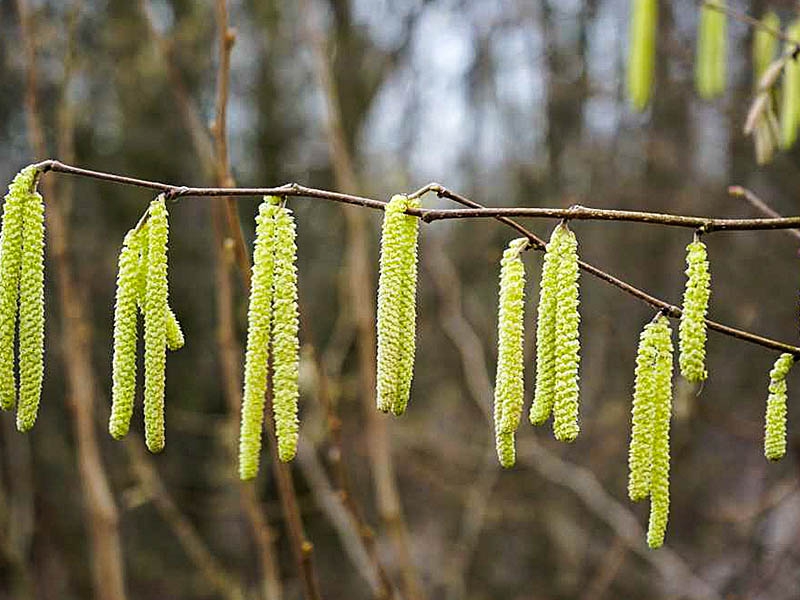
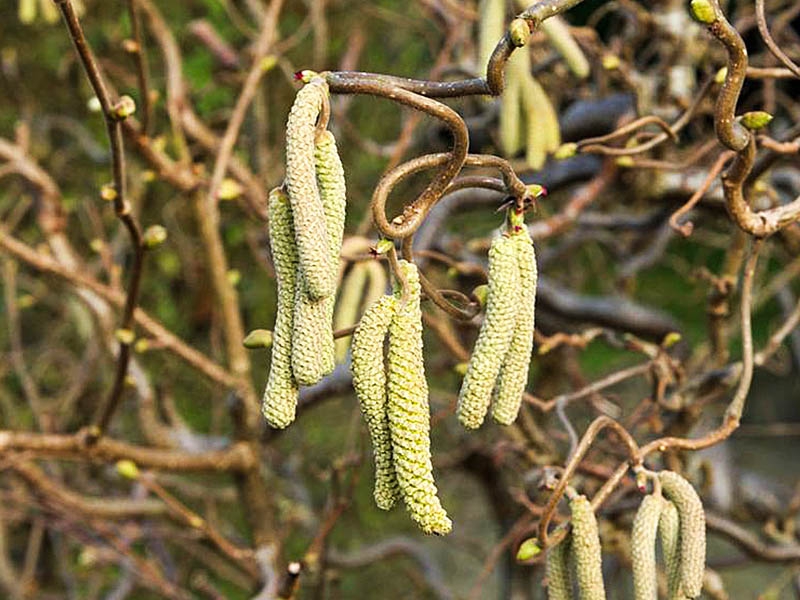
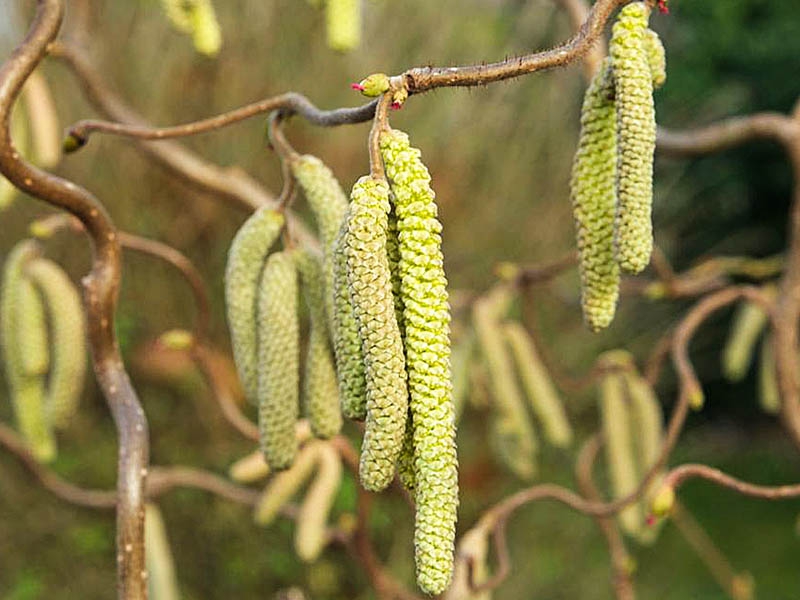
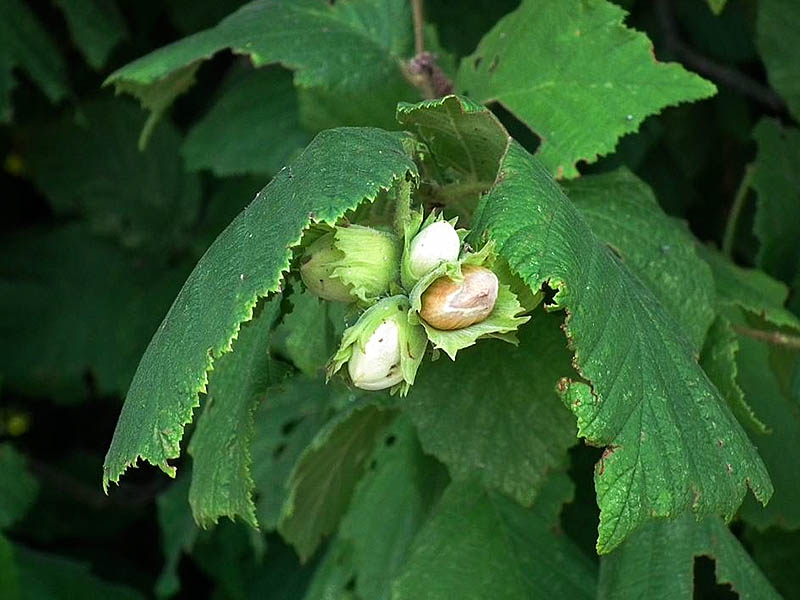
The hazelnut tree (Corylus heterophylla) is a deciduous shrub native primarily to East Asia, including Korea. The following outlines the main growth characteristics, propagation methods, cultivation practices, garden uses, and major pests and diseases, as well as control methods. Growth Characteristics - Height: Generally grows to about 3–5 meters, though it may grow taller depending on habitat conditions. - Leaves: The leaves are oval-shaped with serrated edges and turn red in the autumn. - Flowers: As a monoecious plant, both male and female flowers bloom simultaneously in early spring. - Fruit: Hazelnuts, a type of nut, ripen around August or September and are used for food and oil extraction. Propagation Methods - Seed Propagation: It is common practice to collect seeds from the fruit and sow them directly in the autumn. - Vegetative Propagation: It can be propagated via roots or cuttings; cuttings are best taken in the spring or early summer. Cultivation Methods - Soil: It thrives in fertile, well-drained soil. - Sunlight: It grows best in full sun, but can tolerate partial shade. - Watering: Watering is similar to that of general trees; sufficient water should be supplied, especially during the early growing season. - Pruning: The tree's shape can be controlled through pruning between late winter and early spring. Uses in the Garden - Hazelnut trees are excellent for ornamental purposes and can be used as hedges or shade trees. - The leaves turning red in autumn and the flowers in spring add beauty to the garden. Important Pests and Diseases & Control Methods - Diseases: Leaf blight and root rot may occur. As a preventive measure, plant in a well-ventilated area and avoid excessive moisture. - Pests: Hazelnut weevils and moths may occur. They can be removed using organic insecticides or by manual pruning, and the incidence of pests can be reduced through winter pruning. Based on this information, you can effectively cultivate and manage hazelnut trees.
Plant Family
Betula family
Height
3~6m
Spread
2.4~4.5m
Colors
yellow
Bloom Period
March to August
Water Needs
commonly
Exposure
Sunny
Freezing Resistance
-20°C
European hazelnut tree 'Contorta'
Corylus avellana
'Contorta'
Maxima hazelnut tree 'Purpurea'
Corylus maxima
'Purpurea'