English
한국어
English
Español
中文
हिंदी
Home
News
Community
Dictionary
English
한국어
English
Español
中文
हिंदी
View list
Eucalyptus pikifolia
Corymbia ficifolia
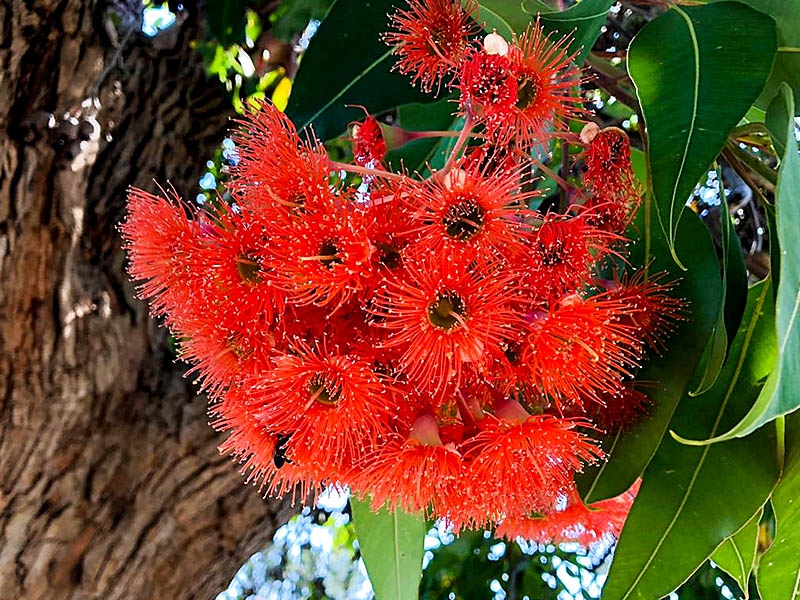
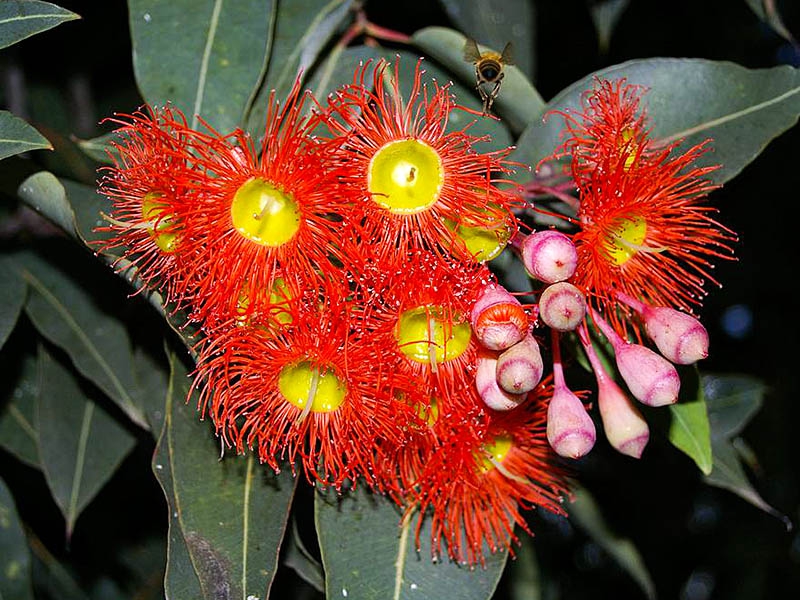
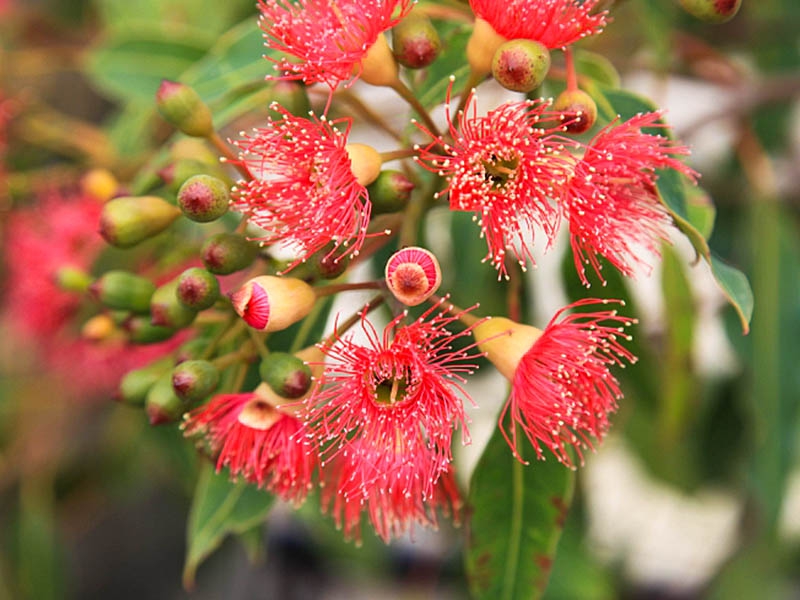
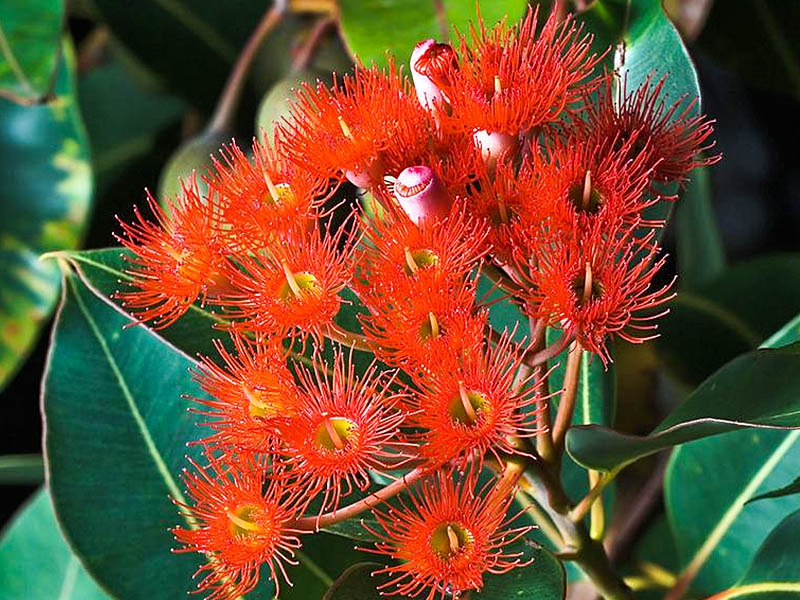
Eucalyptus ficifolia (Corymbia ficifolia) is widely used in gardens and landscaping due to its beautiful flowers and unique tree form. Below, we will explain the growth characteristics, propagation methods, cultivation methods, garden uses, and major pests and diseases, as well as control methods for this species. Growth Characteristics - Climate: It thrives primarily in warm climates and has difficulty adapting to cool climates. - Soil: It grows well in well-drained sandy or soil. It can adapt to both acidic and slightly alkaline soils. - Growth Rate: It grows relatively fast and can reach up to 10 meters in height when mature. - Sunlight: It grows well in locations with plenty of sunlight and can adapt to partial shade to some extent. Propagation Methods - Seeds: It is primarily propagated by seeds, and the germination rate is relatively high. Germination is facilitated if the seeds are slightly scraped off before germination. - Cuttings: Propagation by cuttings is also possible, but the success rate may be lower compared to seed propagation. Cultivation Methods - Sowing: Sow seeds in late spring or early summer. After germination, transplant the seedlings when they have grown to about 10 cm. - Watering: Water sufficiently during the initial growth stage, but avoid excessive watering later on, as the plant is somewhat drought-tolerant. - Fertilizer: Use a general, balanced fertilizer during the growing season. It is especially advisable to avoid fertilizers with high nitrogen content. Uses in the Garden - It is popular for landscaping due to its showy flowers and enriches the ecosystem by attracting bees and butterflies. - It is also used as a windbreak by planting it along streets or the perimeter of gardens to block the wind. Important Pests and Diseases and Control Methods - Diseases: Fungal diseases may occur on the leaves. To prevent this, ensure good ventilation and remove diseased leaves immediately. - Pests: Larvae or beetles can cause problems. In such cases, control them using appropriate insecticides. For an eco-friendly approach, natural predators of pests can also be utilized. Eucalyptus pikifolia can grow into a very attractive plant in the garden if provided with the right environment and care. This can enhance not only the aesthetic value of the garden but also its ecological diversity.
Plant Family
Myrtle and
Height
2~15m
Spread
4.5~18m
Colors
red
Bloom Period
August~September
Water Needs
commonly
Exposure
Sunny
Freezing Resistance
-5°C
Maxima hazelnut tree 'Purpurea'
Corylus maxima
'Purpurea'
Lemon Eucalyptus Quitriodora
Corymbia citriodora