English
한국어
English
Español
中文
हिंदी
Home
News
Community
Dictionary
English
한국어
English
Español
中文
हिंदी
View list
Soechae-ajebi
Tragopogon dubius
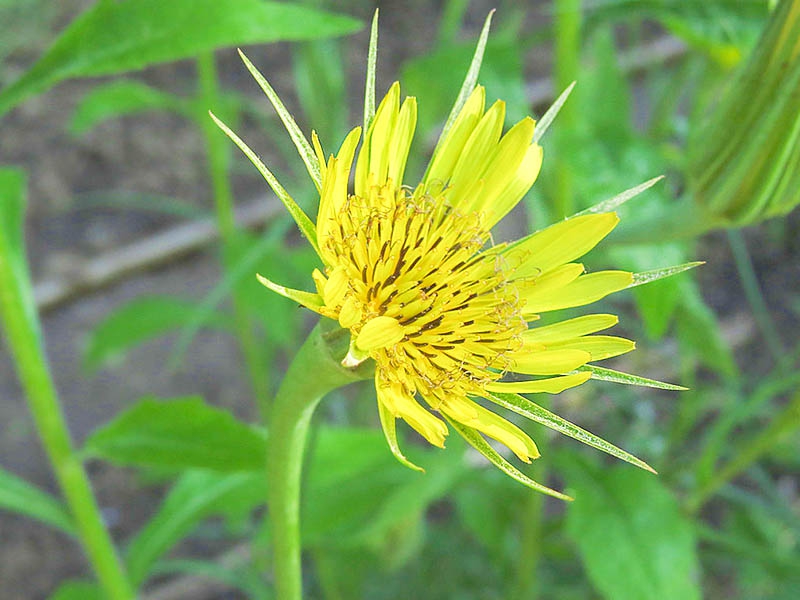
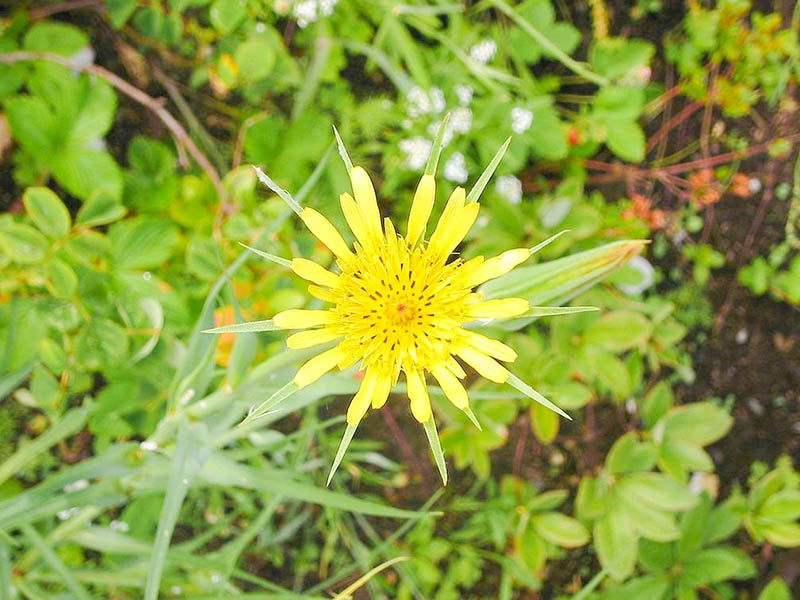
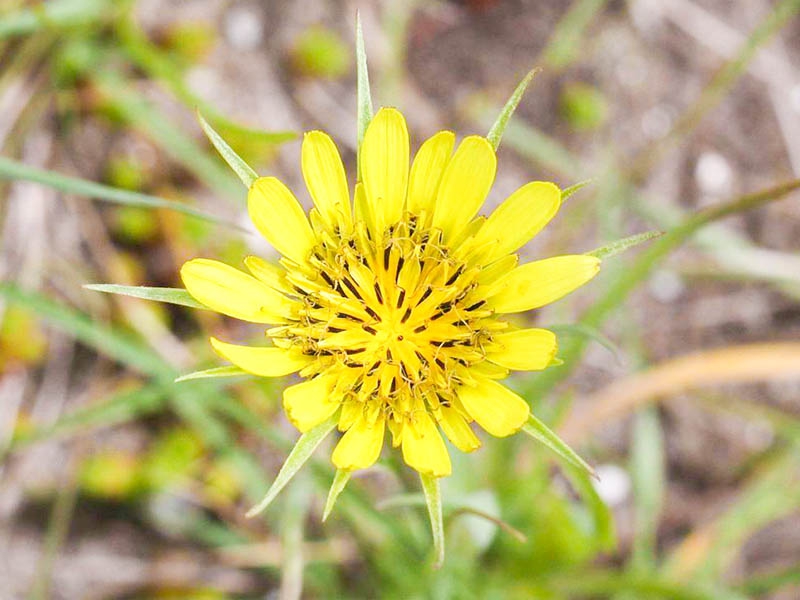
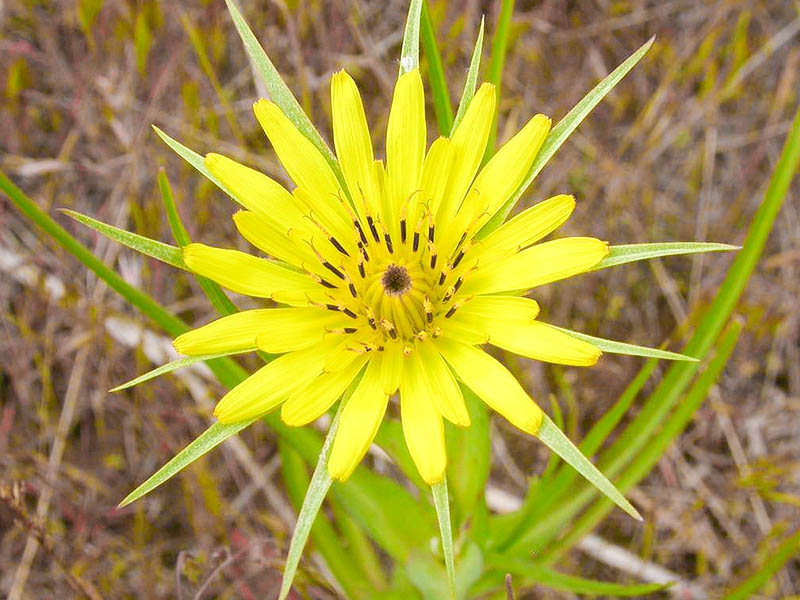
Tragopogon dubius has the following growth characteristics, propagation methods, cultivation methods, garden uses, and information on important pests and diseases and control methods. Growth Characteristics Tragopogon dubius is a biennial plant that typically grows to a height of 30 to 100 cm. It prefers sunlight and thrives relatively well even in dry environments. The leaves are slender and long with a grayish tint, and the flowers are yellow, usually blooming in the summer. Propagation Methods It is primarily propagated by seeds. Seeds are sown in the spring, and it takes about 1 to 2 weeks for them to germinate. When planting seeds, select a warm, sunny location. This plant is capable of self-pollination, giving it high reproductive capacity. Cultivation Methods Tragopogon dubius is a relatively easy plant to care for. It prefers well-drained soil and should be planted in a location with good drainage. Avoid excessive moisture, and water about once a week if necessary. Fertilizer is not strictly necessary, but if you wish to promote growth, you can apply a small amount during the early growing season. Uses in the GardenSweet squash is excellent for creating natural landscapes and is particularly suitable for wild or native flower gardens. After flowering, interestingly shaped seed pods appear, adding a unique charm to the garden. Important Pests and Control MethodsSweet squash is generally resistant to pests and diseases, but root rot can occur if the soil becomes waterlogged. To prevent this, attention must be paid to drainage. Aphids may rarely appear; in such cases, they can be managed by spraying soapy water or using biological control agents. Based on this information, you can effectively cultivate Sweet squash dubius and grow it healthily by providing the appropriate environment.
Plant Type
Plant Family
Asteraceae
Height
30~100cm
Spread
Colors
yellow
Bloom Period
May to June
Water Needs
commonly
Exposure
Sunny
Freezing Resistance
-15°C
Anderson's Dalgabi 'Babel'
Tradescantia × andersoniana 'Barbel'
water chestnut
Trapa japonica