English
한국어
English
Español
中文
हिंदी
Home
News
Community
Dictionary
English
한국어
English
Español
中文
हिंदी
View list
Island wild japonica
Cotoneaster wilsonii
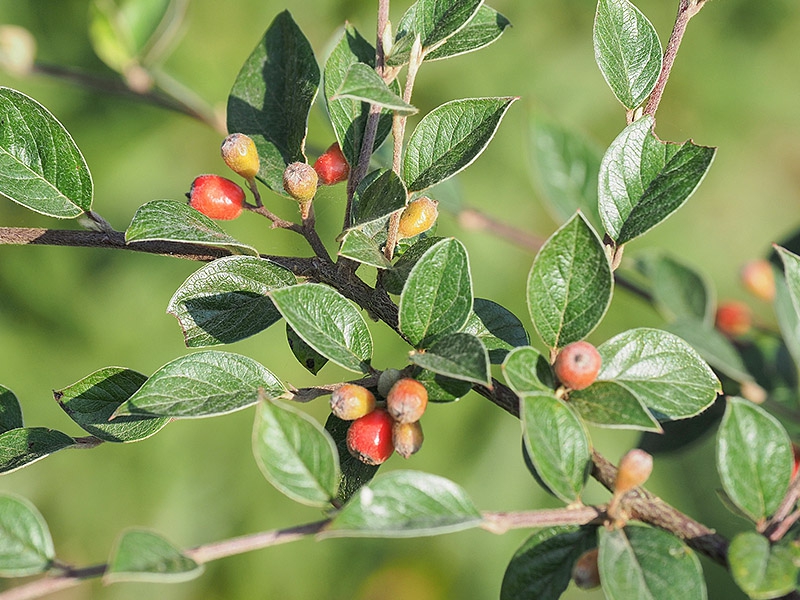
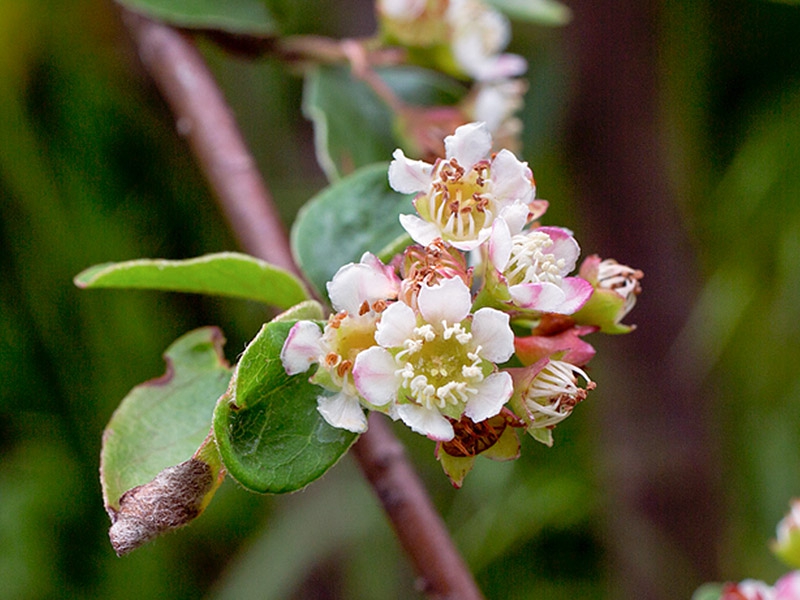
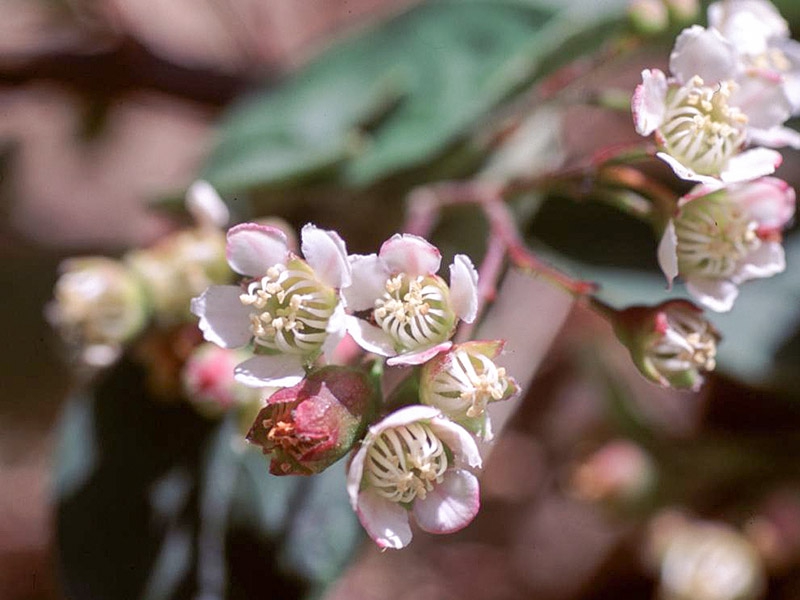
Cotoneaster wilsonii has the following growth characteristics, propagation methods, cultivation methods, garden uses, and important pests and diseases and control methods. Growth Characteristics - Form: It is a deciduous broad-leaved shrub with small, oval-shaped leaves that are green. They turn red in the autumn. - Flowers: Small white flowers bloom in the spring, followed by the formation of small, round red berries. - Environment: It prefers sunlight and thrives in well-drained soil. Propagation Methods - Seeds: Seeds that fall naturally can germinate, or they can be collected and planted for propagation. - Cuttings: Propagation is possible via cuttings during the summer. Cut healthy branches and maintain moisture to encourage rooting. Cultivation Methods - Soil: It is best to plant in well-drained soil. - Watering: Avoid excessive moisture; water only when the soil becomes dry. - Fertilizer: It is beneficial to apply a small amount of fertilizer during the spring growing season. Uses in the Garden - The Korean black cohosh is widely used in gardens for ornamental purposes. It is particularly suitable for planting on terraces or borders to enhance the landscape. The red leaves and berries in autumn provide a beautiful garden scenery. Important Pests and Diseases & Control Methods - Diseases: While generally resistant to disease, root rot may occur due to excessive moisture. - Control Methods: Ensure thorough drainage management and use an appropriate fungicide if disease symptoms appear. - Pests: Aphids and scale insects may occur. - Control Methods: Conduct periodic observations and, upon early detection, control pests using soapy water or appropriate insecticides. By managing the Korean black cohosh with these characteristics in mind, you can maintain a healthy and beautiful plant.
Plant Family
Rosaceae
Height
1.5~2m
Colors
white, pink
Bloom Period
May~June
Water Needs
commonly
Exposure
Sunny
Freezing Resistance
-30°C
American fog tree
Cotinus obovatus
Round-leaved Dogwood
Cotoneaster integerrimus