English
한국어
English
Español
中文
हिंदी
Home
News
Community
Dictionary
English
한국어
English
Español
中文
हिंदी
View list
Wild japonica
Cotoneaster lucidus
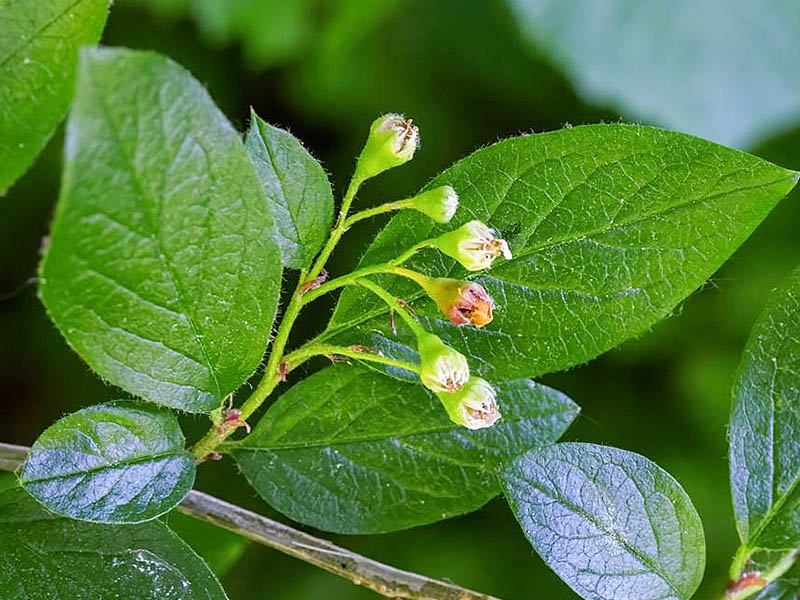
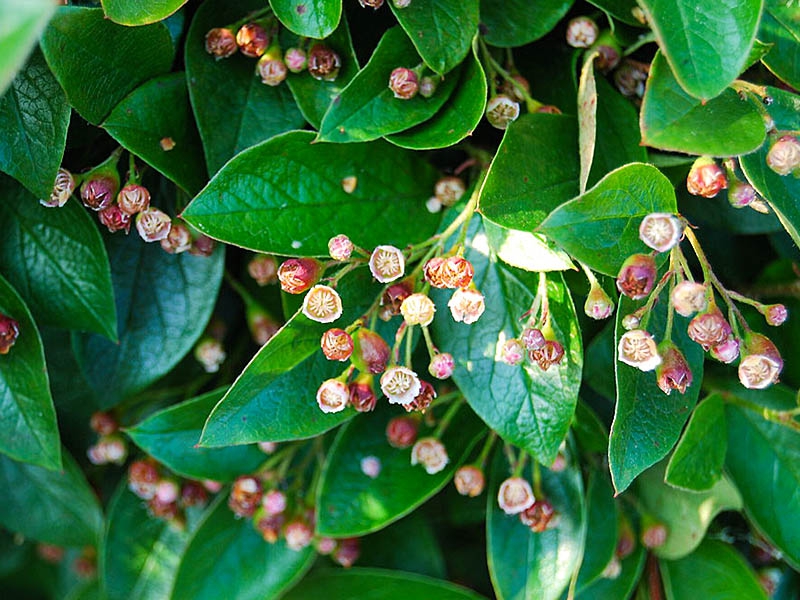
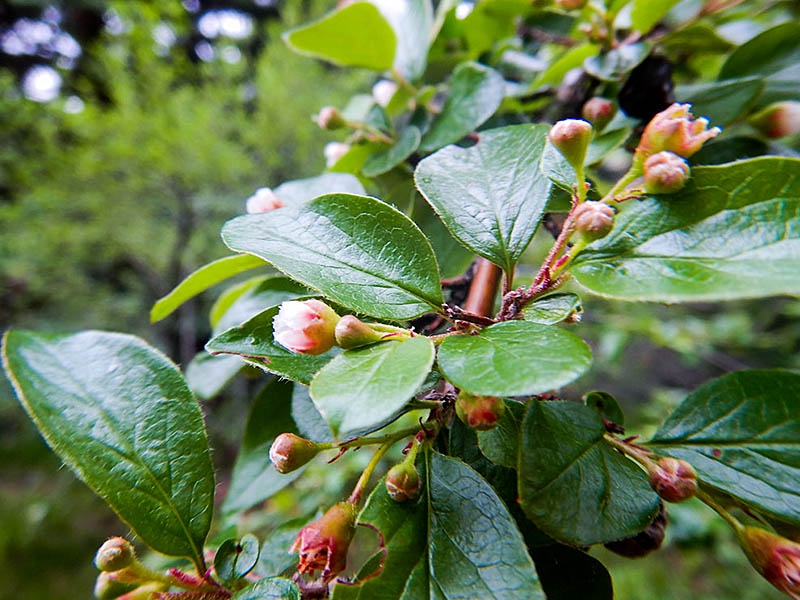
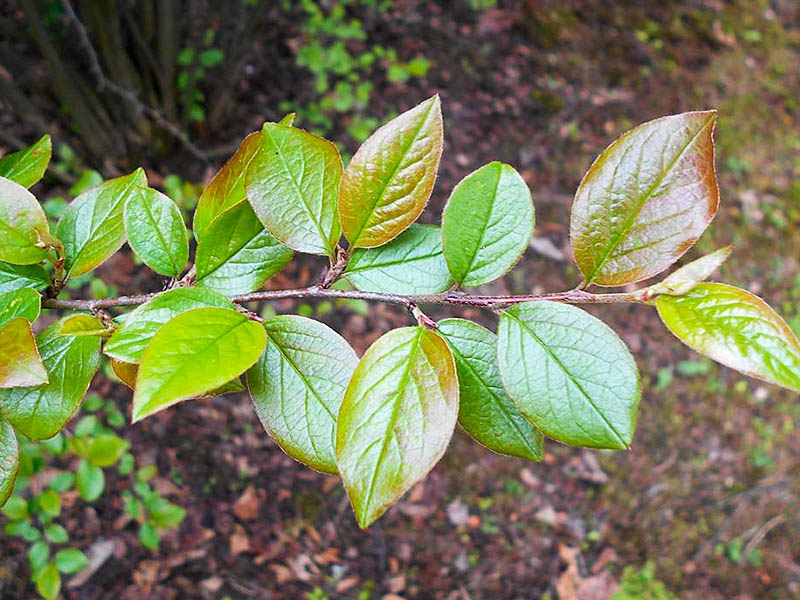
Cotoneaster lucidus has the following growth characteristics, propagation methods, cultivation methods, garden uses, and pest and disease control methods. Growth Characteristics - Form: It is a deciduous shrub that typically grows up to 2–3 meters in height. - Leaves: The oval leaves are glossy on the upper side and pale on the lower side. - Flowers: Small pink or white flowers bloom between May and June. - Fruit: Small black fruits develop in late summer and persist until autumn. - Environment: It thrives in sunny locations and can tolerate various soil conditions. Propagation Methods - Seed Propagation: Collect seeds in autumn and sow them the following spring. - Cuttings: Healthy branches can be cut and propagated in mid-summer. Cultivation Methods - Planting: Plant in well-drained soil, leaving sufficient space when transplanting. - Watering: Water thoroughly after planting; once the roots are established, you may reduce watering frequency. - Pruning: Prune during the winter to maintain shape or promote healthy growth. Garden Uses - Boundary Plant: Excellent for use as a fence or boundary. - Hedge: Can be planted densely to serve as a hedge. Important Pests and Control Methods - Diseases: May be susceptible to leaf mold and sclerotinia rot. These can be prevented by regular pruning and maintaining good ventilation. - Pests: Aphids and scale insects can be problematic; they can be controlled using soapy water or appropriate insecticides. Rukidus (Rukidus var. ulleungensis) is widely used in gardens because it is relatively easy to care for and boasts beautiful fruit and leaves; however, it requires regular maintenance to ensure healthy growth.
Plant Family
Rosaceae
Height
1.8~3m
Spread
1.8~3m
Colors
orange
Bloom Period
April to August
Water Needs
commonly
Exposure
Sunny
Freezing Resistance
-30°C
Hongjadan
Cotoneaster horizontalis
Cranberry Red Jadan
Cotoneaster apiculatus