English
한국어
English
Español
中文
हिंदी
Home
News
Community
Dictionary
English
한국어
English
Español
中文
हिंदी
View list
Coastal kale
Crambe maritima
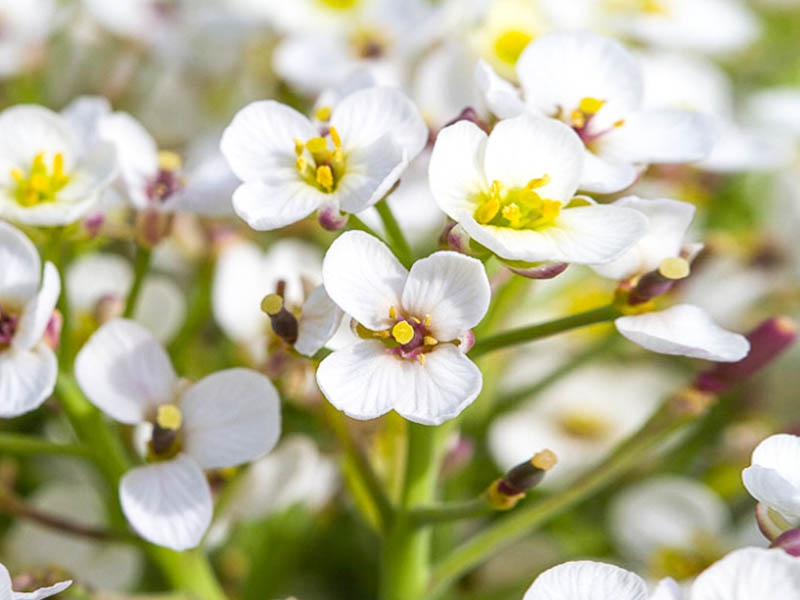
Growth Characteristics of Crambe maritima Crambe maritima is a perennial herbaceous plant that grows primarily along coastlines and possesses strong resistance to salt. Its leaves are thick and covered with a waxy layer, allowing it to withstand drought and salt, and the leaves are grayish-green in color. It typically grows to a height of 30 to 60 cm, and white flowers bloom in spring and summer. Propagation Methods Crambe maritima can be propagated by seeds and root division. Propagation by seeds takes place in late spring or early summer, and cool temperatures and slight moisture are required for germination. Root division is most suitable in early spring or autumn, and the roots must be watered thoroughly when transplanting to a new location. Cultivation Methods - Sunlight and Temperature: Crambe maritima thrives best in sunny locations but can tolerate partial shade. While it prefers coastal environments, it can grow in various soil types. 2. Soil: It prefers well-drained soil, and excessive moisture should be avoided. Soil rich in organic matter is ideal. - Watering: It requires sufficient water initially, but less watering is sufficient once the roots are well established. It is somewhat drought-tolerant. - Fertilizer: Generally, no special fertilizer is required, but applying a small amount of organic fertilizer in the spring helps promote growth. Uses in the Garden Coastal Kale has high decorative value due to its unique leaves and flowers, so it is primarily planted along garden borders or in coastal gardens. Additionally, planting it alongside other coastal plants helps create a natural landscape. Important Pests and Control Methods - Pests and Diseases: It is generally resistant to pests and diseases, but it may occasionally be damaged by aphids or snails. - Control Methods: - If aphids occur, they can be washed off with water or eco-friendly insecticides can be used. - Snails can be controlled by removing them by hand or using attractants. - To prevent diseases, it is important to maintain a well-ventilated environment and keep the area around the plants clean by removing debris.
Plant Family
Cruciferae
Height
60~90cm
Spread
60~90cm
Colors
white
Bloom Period
June to August
Water Needs
commonly
Exposure
Sunny
Freezing Resistance
-10°C
Rock pine 'Mcrantha'
Cotyledon orbiculata
var.
oblonga
'Macrantha'
Flower kale
Crambe cordifolia