English
한국어
English
Español
中文
हिंदी
Home
News
Community
Dictionary
English
한국어
English
Español
中文
हिंदी
View list
Nemarum
Trapa natans
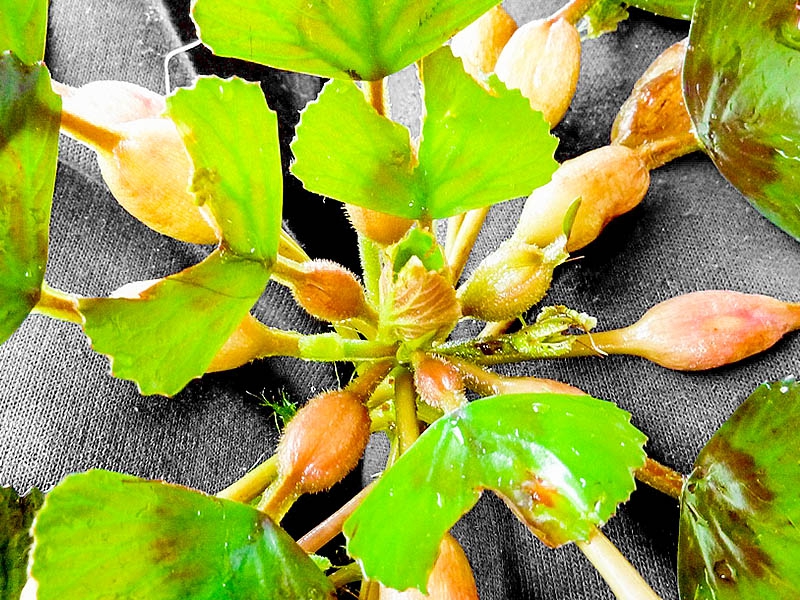
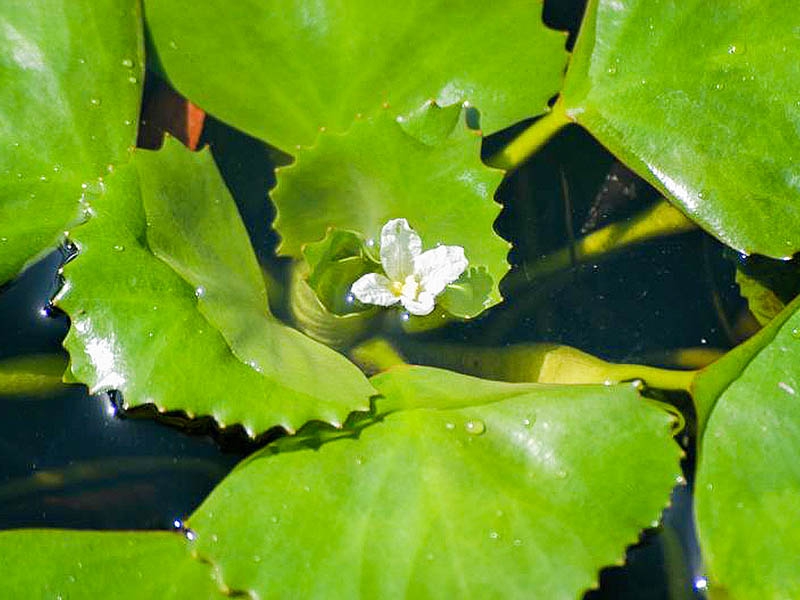
Growth Characteristics of Trapa natans Trapa natans is an aquatic plant that thrives in stagnant water environments such as ponds, swamps, and lakes. It grows primarily during the summer; its leaves float on the water's surface while its roots grow underwater, absorbing nutrients from the roots. Propagation Methods Trapa natans is primarily propagated by seeds. Seeds that fall in the autumn remain dormant underwater during the winter and germinate in the spring to grow into new plants. The seeds possess uniquely shaped spines that prevent them from moving easily underwater. Cultivation Methods To cultivate Trapa natans, a pond or water tank filled with water is required. It grows well in environments with fertile clay soil, and a water depth of approximately 30 to 60 cm is suitable. Seeds can be planted directly into the water, but the depth must be adjusted appropriately, as the plant does not thrive in water that is too shallow. Uses in Gardens Trapa natans is an excellent plant for decorating garden ponds or water tanks. The leaves floating on the water provide a unique aesthetic effect and blend harmoniously with other aquatic plants. Additionally, it adds decoration by blooming small flowers during the summer. Important Pests and Control Methods Although water chestnut is a relatively hardy plant, pests and diseases may occur if there is insufficient sunlight or poor water quality. The most common pests are bacterial diseases resulting from the deterioration of pond water quality. Frequent water changes and the removal of excessive debris help with prevention. Water conditioners can be used if necessary. In the event of an outbreak, remove the affected leaves, and if control is required, it is recommended to use eco-friendly methods.
Plant Type
Plant Family
Water chestnut and
Height
3m
Spread
Colors
white
Bloom Period
July~August
Water Needs
well
Exposure
Sunny
Freezing Resistance
-30°C
genetic dryness
Trapa bicornis
Face beard dryness
Trapella sinensis