English
한국어
English
Español
中文
हिंदी
Home
News
Community
Dictionary
English
한국어
English
Español
中文
हिंदी
View list
Krasula Multikaba
Crassula multicava
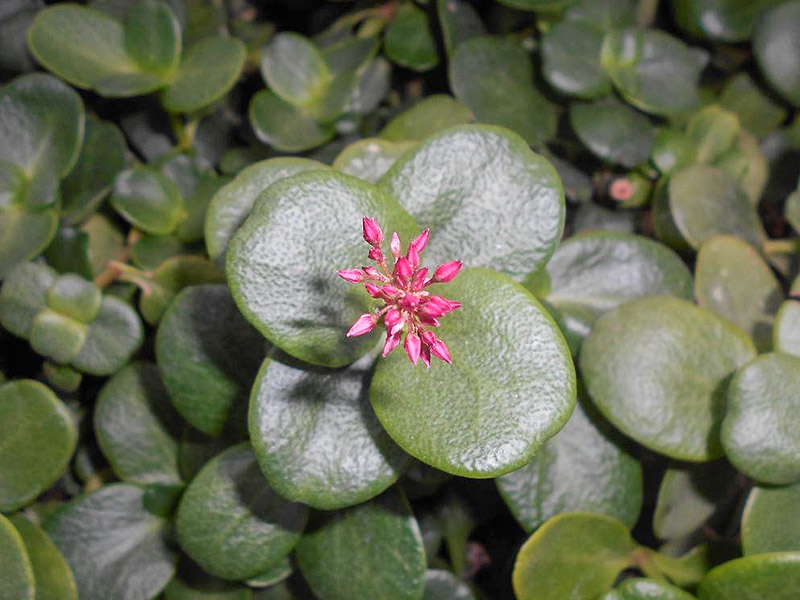
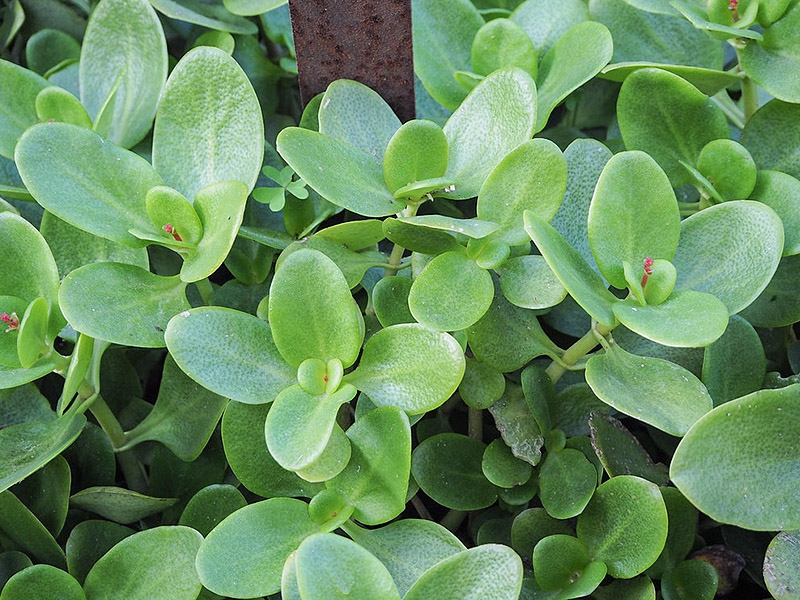
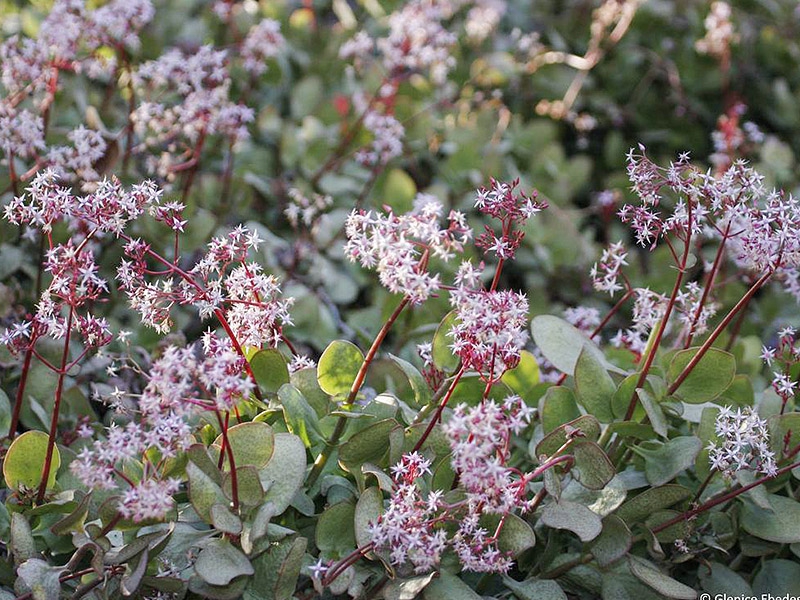
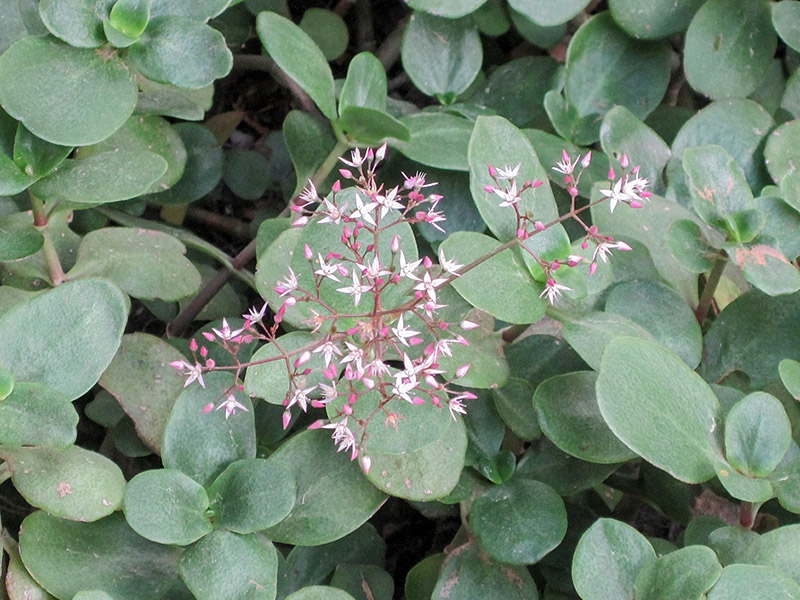
Crassula multicava is a succulent plant with various thick, fleshy leaves that generally grow into a small bush. Growth Characteristics- Growth Environment: It thrives primarily in sunny locations but can adapt to partial shade to some extent. - Soil: It prefers well-draining soil, and general succulent soil is suitable. - Temperature: It can tolerate light frost, but the optimal growth temperature is 18–24°C. - Watering: It tolerates dry environments well, so it is best to water only when the soil is sufficiently dry. Propagation Methods- Cuttings: It can be propagated relatively easily using leaf or stem sections. - Seeds: Although relatively less commonly used, propagation is also possible via seeds. Cultivation Methods- Planting: Plant in a well-draining pot and use soil that drains well. - Care: Provide an appropriate amount of sunlight and water to promote growth and maintain health, and fertilize if necessary. Uses in the Garden - Landscaping: It is widely used as a background plant in rock gardens or flower beds. - Decoration: It can be placed on shelves or used as an element for multi-dimensional decoration by utilizing pots of various heights. Important Pests and Control Methods - Diseases: Root rot caused by overwatering is a major problem. To prevent this, be careful not to overwater. - Pests: Common pests include scale insects and aphids; use appropriate insecticides when necessary. - Control: Natural methods include timely watering and the use of natural insecticides to control pests. Crassula multicabe is an attractive succulent when properly cared for. It adapts well to various environments, making it widely used in gardens and homes.
Plant Family
Stonecrop family
Height
30~50cm
Colors
white
Bloom Period
December to March
Water Needs
Bad
Exposure
Sunny
Freezing Resistance
-5°C
Crassula nudicalis
Crassula nudicallis
Crassula mesembriantoides
Crassula mesembryanthemoides