English
한국어
English
Español
中文
हिंदी
Home
News
Community
Dictionary
English
한국어
English
Español
中文
हिंदी
View list
Teolsansa Temple
Crataegus pinnatifida
var.
psilosa
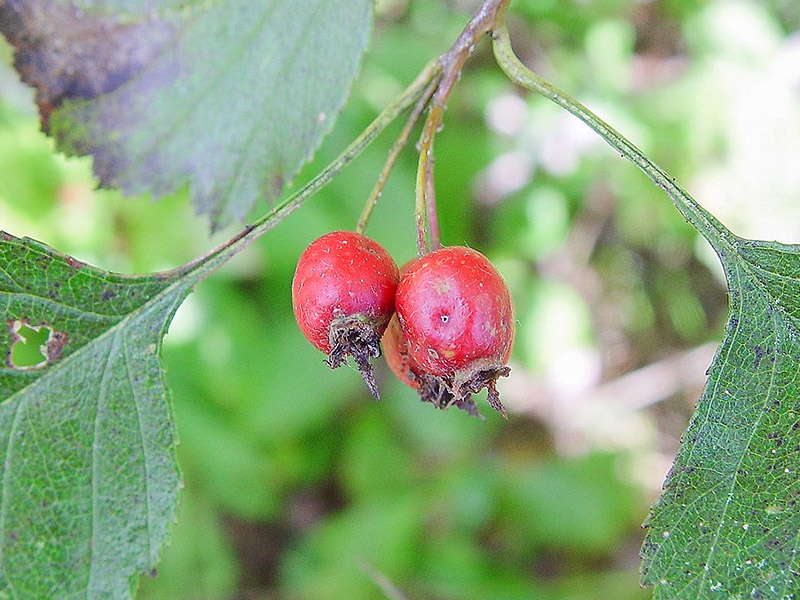
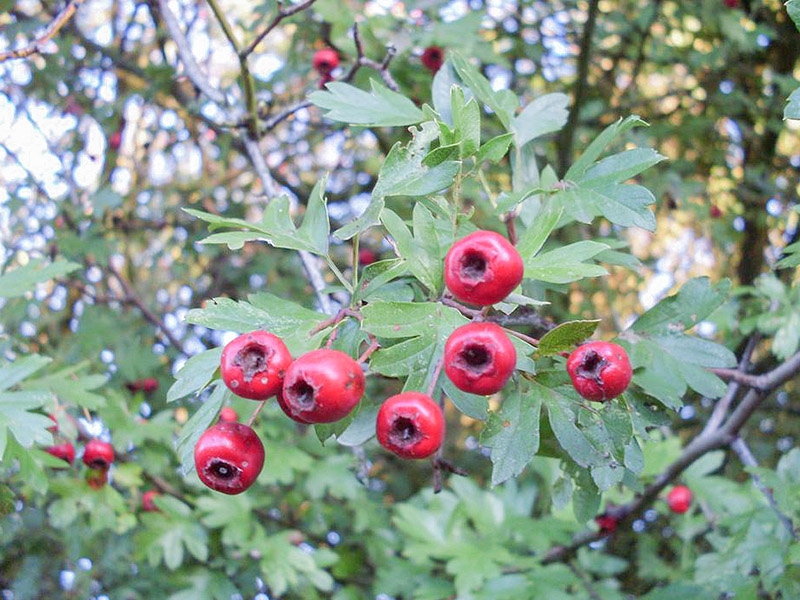
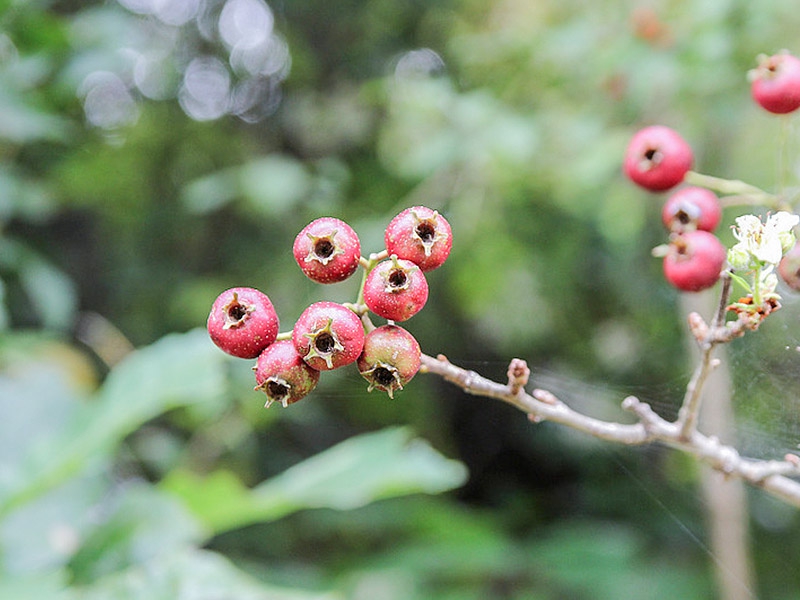
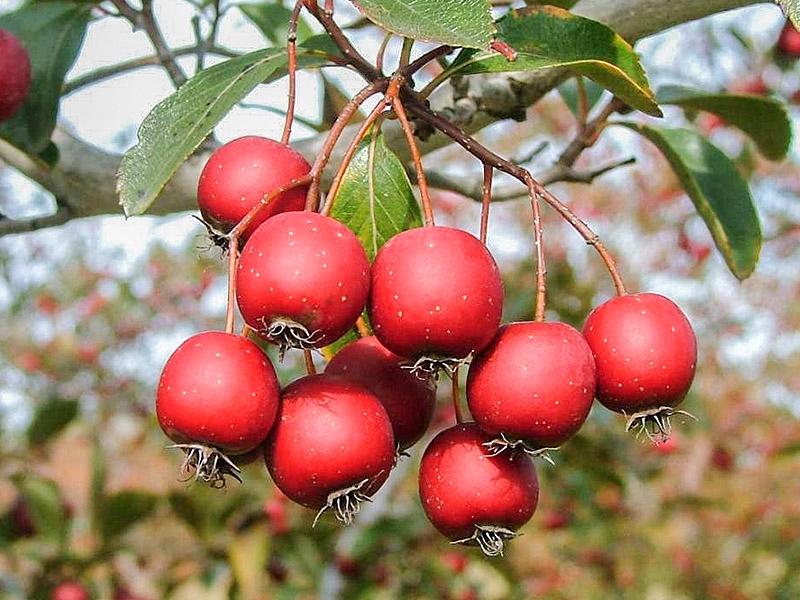
Crataegus pinnatifida f. psilosa is a deciduous shrub belonging to the Rosaceae family and is native primarily to Asia. The following describes the growth characteristics, propagation methods, cultivation methods, garden uses, and major pests and diseases, as well as control methods. Growth Characteristics Crataegus pinnatifida grows to a height of 3 to 5 meters. Its leaves are alternate and oval-shaped with serrated margins. Flowers typically bloom from May to June; they are small, white, and appear in clusters. In autumn, small red berries develop, which are consumed by birds and small animals. Propagation Methods Crataegus pinnatifida is primarily propagated by seeds or cuttings. While propagation by seeds takes a long time due to a low germination rate, propagation by cuttings allows for the rapid production of new plants. Cuttings are most effective when performed during the summer. Cultivation Methods Hairy hawthorn thrives in sunny locations and adapts well to various soil conditions. Well-drained soil is ideal, and proper watering and fertilization are necessary after planting. Additionally, it is recommended to prune the plant during the winter to shape it and improve aeration. Garden Uses Hairy hawthorn adds a natural touch to the garden and is suitable for use as a border or for ornamental purposes in greenhouses. The red berries, especially in autumn, provide visual delight. Furthermore, it can enhance ecological value by providing a habitat for small wildlife. Major Pests and Control Methods Hairy hawthorn is primarily susceptible to pests such as leaf blight, aphids, and bud pupas. It is important to detect and control these pests early. Regularly inspect the plant for control, and consider using professional pesticides in severe cases. It is also important to remove diseased branches or leaves to prevent the spread of the disease to other parts of the plant. Hairy hawthorn is a relatively easy-to-care-for plant that can provide natural beauty and ecological diversity to the garden. If you take good care of it, you can enjoy beautiful flowers and fruits.
Plant Family
Rosaceae
Height
3~6m
Colors
white
Bloom Period
May to June
Water Needs
commonly
Exposure
Sunny
Freezing Resistance
-30°C
Western hawthorn
Crataegus laevigata
Blue Hawthorn 'Winter King'
Crataegus viridis
'Winter King'